Root canal treatment is one of the most effective dental procedures used to save a severely damaged or infected tooth. If you are experiencing persistent tooth pain, sensitivity, or swelling, a root canal may be the solution that helps you avoid extraction while restoring your oral health.
In this guide, we will explore everything you need to know about root canal treatment in Shelbyville—from symptoms and procedure to benefits and aftercare.
What Is Root Canal Treatment?
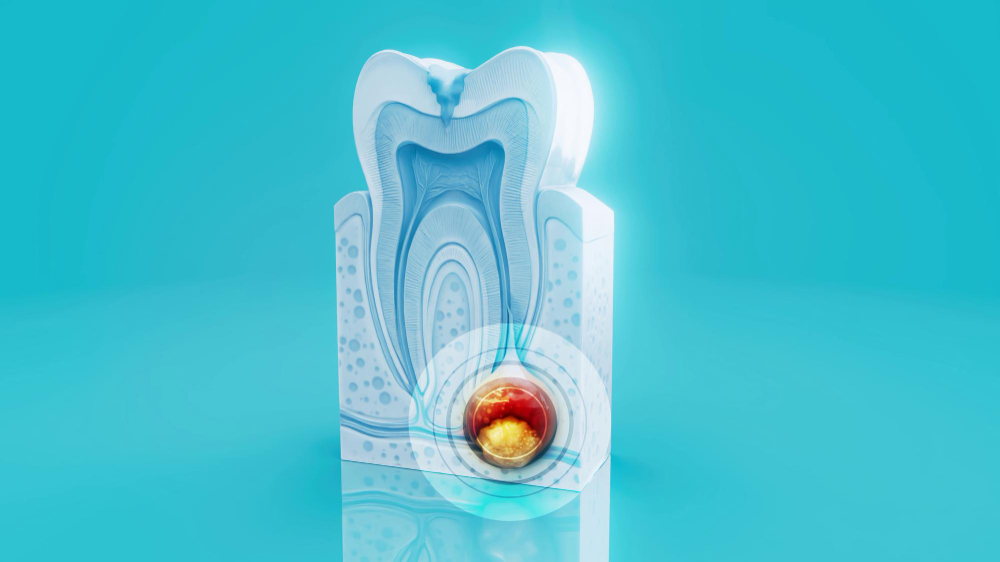
Root canal treatment, also known as endodontic therapy, is a dental procedure used to remove infected or damaged pulp from inside a tooth. The pulp contains nerves, blood vessels, and connective tissue, and when it becomes infected, it can cause severe pain and lead to abscess formation.
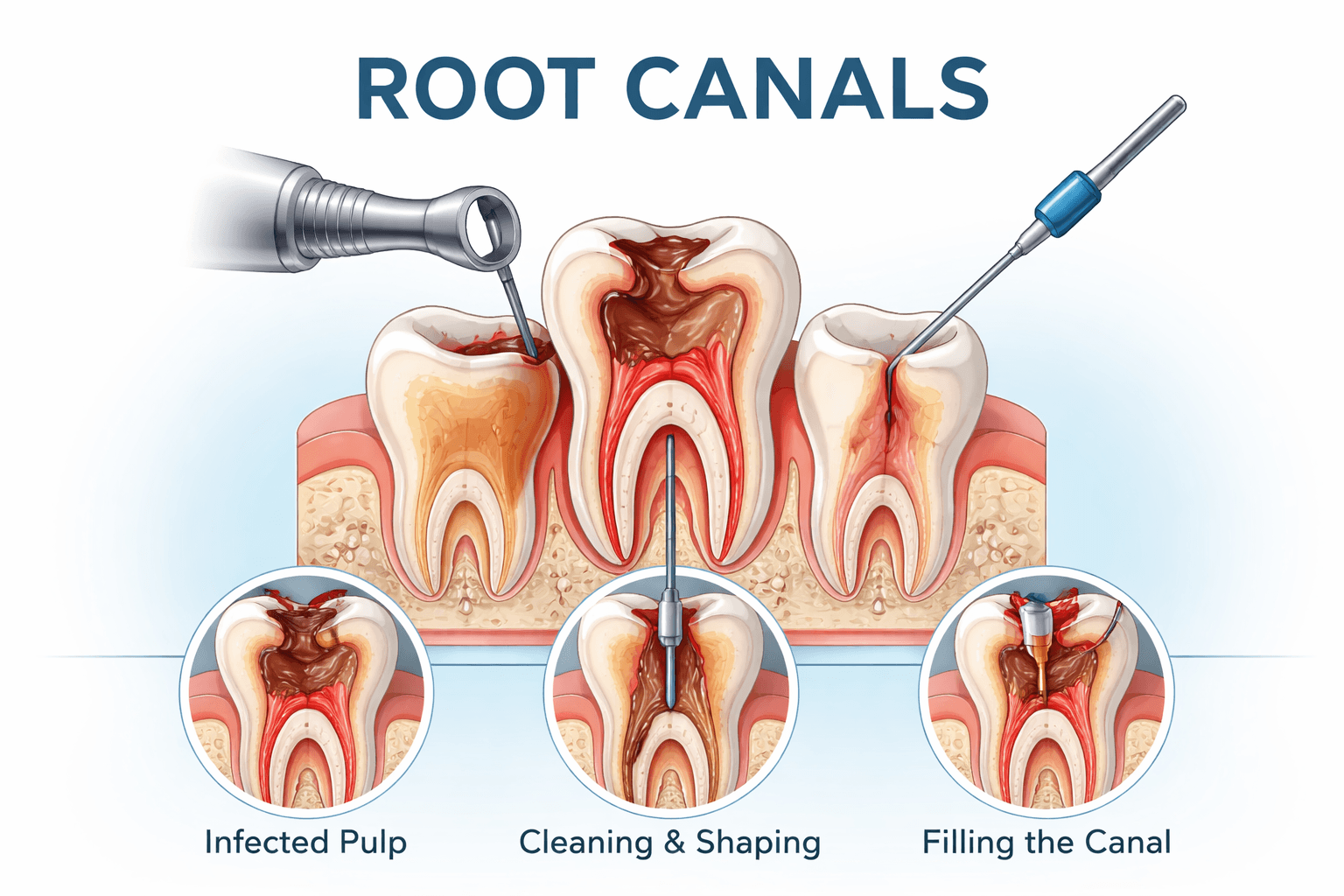
During the procedure, the dentist removes the infected pulp, cleans and disinfects the root canals, and seals the tooth to prevent further infection.
Why Is Root Canal Treatment Needed?
You may need a root canal if the inner pulp of your tooth becomes inflamed or infected due to:
- Deep tooth decay
- Repeated dental procedures on the same tooth
- Cracks or chips in the tooth
- Trauma or injury
Ignoring these issues can lead to severe infection, bone loss, and even tooth loss.
Signs You May Need a Root Canal
Recognizing the symptoms early can help you seek timely treatment:
- Severe toothache, especially while chewing
- Prolonged sensitivity to hot or cold
- Swollen or tender gums
- Darkening of the tooth
- Pimples on the gums (abscess)
If you notice any of these symptoms, consult a dental professional in Shelbyville immediately.
Root Canal Procedure – Step by Step
Understanding the procedure can help reduce anxiety and prepare you better:
1. Examination and X-rays
The dentist examines the tooth and takes X-rays to assess the extent of infection.
2. Local Anesthesia
The affected area is numbed to ensure a pain-free procedure.
3. Pulp Removal
The dentist creates a small opening and removes the infected pulp.
4. Cleaning and Shaping
The root canals are cleaned, disinfected, and shaped.
5. Filling and Sealing
The canals are filled with a biocompatible material and sealed.
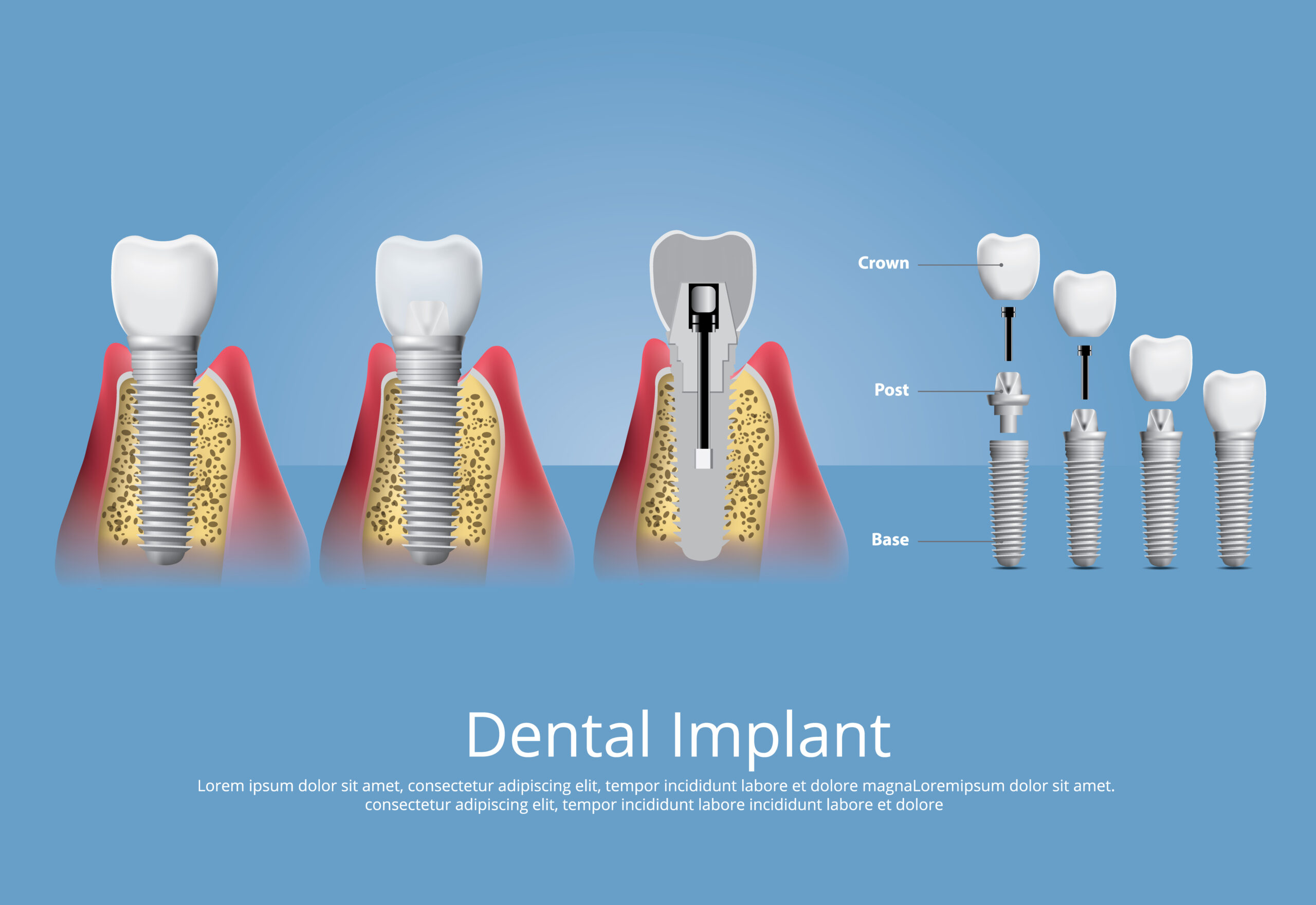
6. Crown Placement
A crown is often placed to restore strength and function to the tooth.
Benefits of Root Canal Treatment
- Saves your natural tooth
- Relieves severe pain
- Prevents spread of infection
- Restores normal chewing and biting
- Maintains natural appearance
Is Root Canal Treatment Painful?
Modern root canal treatments are virtually painless thanks to advanced techniques and anesthesia. In fact, the procedure relieves the pain caused by infection rather than causing it.
Recovery and Aftercare
After the procedure, mild discomfort may occur for a few days, which can be managed with prescribed medications. Follow these tips for a smooth recovery:
- Avoid chewing on the treated tooth until fully restored
- Maintain good oral hygiene
- Attend follow-up appointments
- Avoid hard or sticky foods temporarily
Cost of Root Canal Treatment in Shelbyville
The cost can vary depending on factors such as the severity of the infection, tooth location, and need for a crown. However, many dental clinics in Shelbyville offer flexible payment options and insurance coverage.
Choosing the Right Dentist in Shelbyville
When selecting a dentist for root canal treatment, consider:
- Experience in endodontic procedures
- Advanced technology and equipment
- Patient reviews and testimonials
- Transparent pricing
A skilled dentist ensures a comfortable and successful outcome.