Understanding Root Canal Treatment
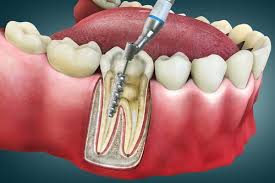
Root canal treatment is a highly effective dental procedure used to save a damaged or infected tooth. When the inner pulp of a tooth becomes infected because of deep decay, cracks, trauma, or repeated dental procedures, it can cause severe pain and sensitivity. Root canal therapy removes the infected pulp, cleans the inside of the tooth, and seals it to prevent further infection.
Many people associate root canals with discomfort, but modern dental technology has made the procedure comfortable and efficient. With proper care, a tooth treated with a root canal can last for many years.
Signs You May Need a Root Canal
It is important to recognize the symptoms of a tooth infection early. Common signs include:
- Persistent tooth pain
- Sensitivity to hot or cold foods and drinks
- Swollen or tender gums
- Tooth discoloration
- Pain while chewing
- A pimple-like bump on the gums
- Cracked or chipped teeth
If you notice any of these symptoms, visiting a dentist quickly can help prevent the infection from spreading.
What Causes Tooth Pulp Infection?
The pulp inside the tooth contains nerves and blood vessels. When bacteria reach this area, infection can develop. Several factors may lead to pulp damage, including:
Deep Tooth Decay
Untreated cavities can penetrate deep into the tooth and infect the pulp.
Cracked or Broken Teeth
A crack can allow bacteria to enter the inner portion of the tooth.
Repeated Dental Procedures
Multiple treatments on the same tooth may weaken it and irritate the pulp.
Dental Trauma
An injury or accident can damage the tooth even if no visible crack is present.
The Root Canal Procedure
Root canal treatment usually requires one or two visits, depending on the condition of the tooth.
Examination and Diagnosis
The dentist examines the tooth and may take digital X-rays to identify the infection and evaluate the surrounding bone.
Local Anesthesia
The area around the tooth is numbed to ensure comfort during the procedure.
Cleaning the Infected Pulp
The dentist creates a small opening in the tooth and removes the infected tissue from the root canals.
Shaping and Disinfecting
The canals are cleaned thoroughly and shaped to prepare them for filling.
Filling the Tooth
The cleaned canals are sealed with a special material to prevent future infection.
Dental Crown Placement
In many cases, a dental crown is recommended to restore the strength and appearance of the tooth.
Benefits of Root Canal Treatment
Root canal therapy offers several important advantages for oral health and overall comfort.
Saves Your Natural Tooth
Keeping your original tooth helps maintain proper chewing function and alignment.
Relieves Pain
The procedure removes infection and eliminates tooth pain caused by damaged pulp.
Prevents Infection Spread
Treating the infected tooth early prevents bacteria from affecting nearby teeth and gums.
Improves Oral Health
A healthy, restored tooth contributes to better overall dental wellness.
Restores Normal Function
After healing, patients can comfortably chew, speak, and smile again.
Is Root Canal Treatment Painful?
Modern root canal procedures are designed to be as comfortable as possible. Dentists use local anesthesia and advanced techniques to minimize discomfort. Most patients report that the procedure feels similar to getting a regular filling.
Mild soreness may occur for a few days after treatment, but it usually resolves quickly with proper care.
Recovery After a Root Canal
Healing after root canal therapy is generally smooth. Patients should follow these aftercare tips:
- Avoid chewing hard foods on the treated tooth initially
- Maintain good oral hygiene
- Brush and floss regularly
- Take prescribed medications if necessary
- Attend follow-up appointments
- Get the permanent crown placed if recommended
Proper care helps protect the treated tooth and ensures long-lasting results.
Why Timely Treatment Matters
Ignoring a tooth infection can lead to serious complications. The infection may spread to surrounding tissues, cause abscess formation, or even result in tooth loss. Early treatment not only saves the tooth but also reduces the need for more complex procedures later.
Choosing Root Canal Treatment in Pekin
Patients seeking root canal treatment in Pekin should look for a dental provider with experience, advanced diagnostic tools, and a patient-focused approach. Modern dental clinics use digital imaging, gentle techniques, and high-quality restorative materials to provide safe and effective care.
A comfortable environment and personalized treatment planning can make the entire process easier and stress-free.
Maintaining Oral Health After Treatment
Preventive dental care is essential even after successful root canal therapy. Regular dental visits and proper oral hygiene help protect your teeth from future decay and infection.
Healthy habits include:
- Brushing twice daily
- Flossing every day
- Limiting sugary foods and drinks
- Avoiding tobacco products
- Scheduling regular dental cleanings
These steps help maintain a healthy smile for years to come.