Missing teeth can affect more than just your appearance. They can impact your ability to chew, speak clearly, and maintain proper oral health. Fortunately, dental bridges offer a reliable and effective solution for replacing one or more missing teeth. If you’re considering dental bridges in Pekin, understanding the benefits, procedure, and long-term advantages can help you make an informed decision about restoring your smile.
What Are Dental Bridges?
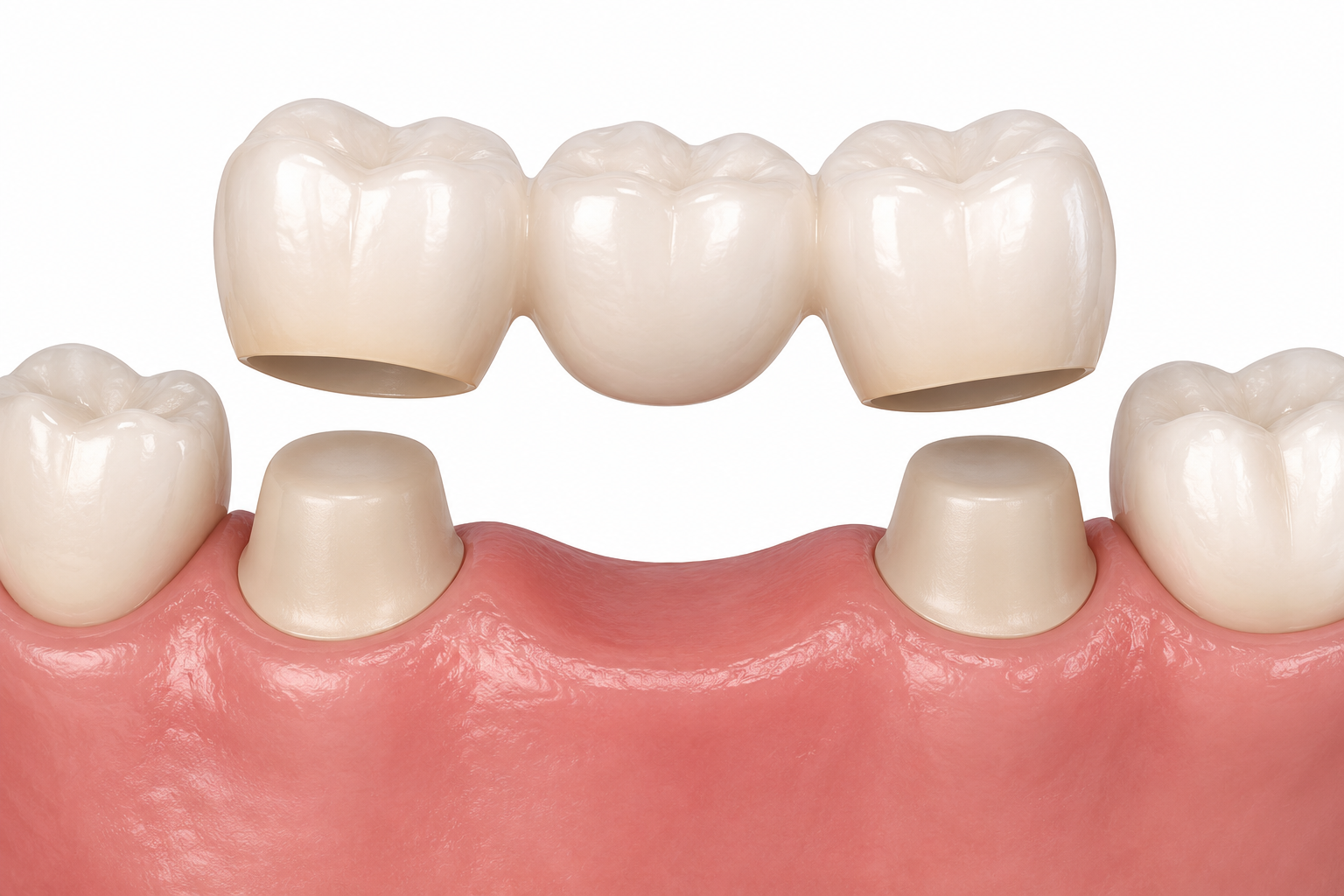
A dental bridge is a custom-made dental restoration designed to replace one or more missing teeth. It literally “bridges” the gap created by missing teeth by using artificial teeth, known as pontics, supported by adjacent natural teeth or dental implants.
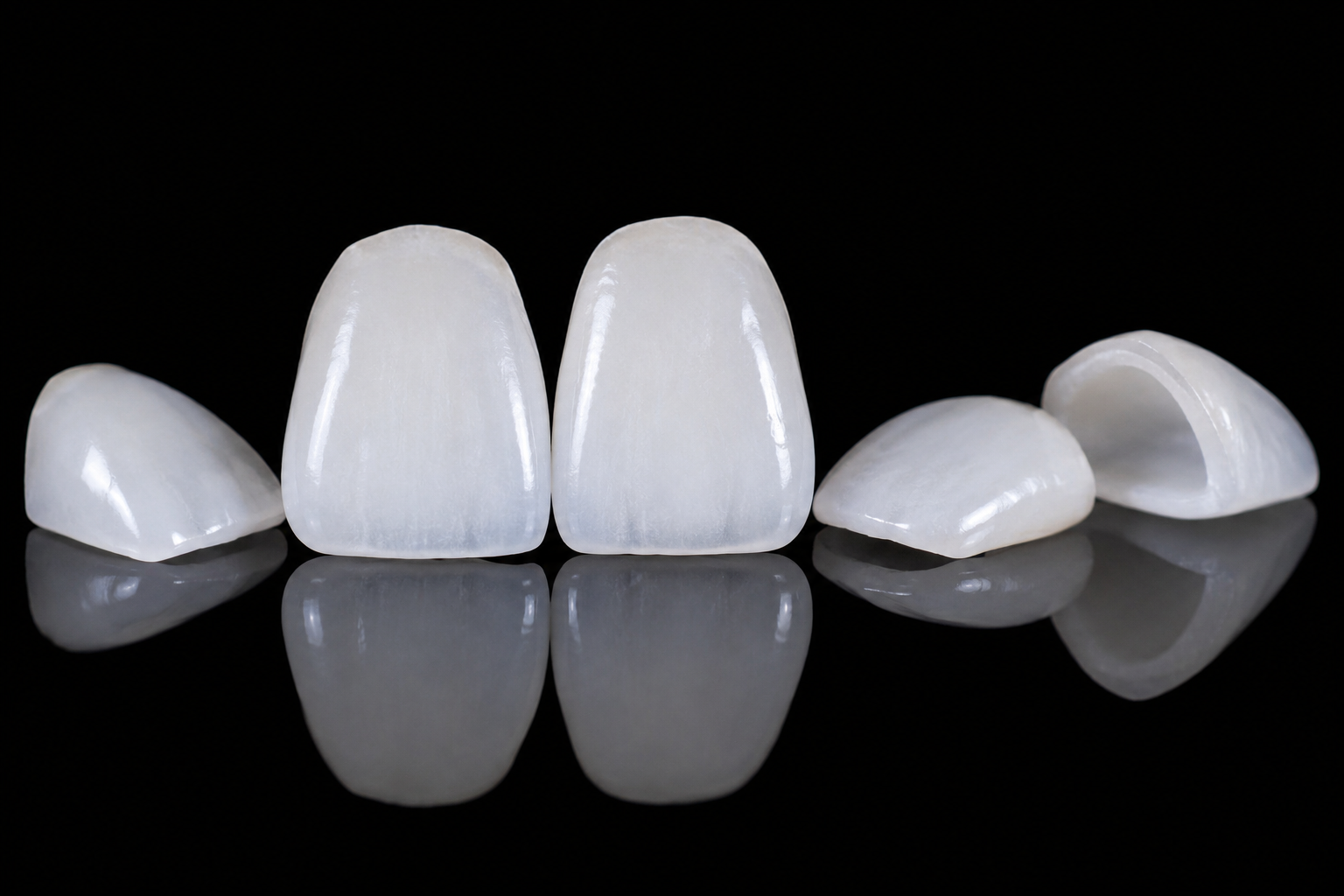
Dental bridges are crafted from durable materials such as porcelain, ceramic, metal alloys, or a combination of these materials. Modern bridges are designed to blend seamlessly with your natural teeth, providing both functional and aesthetic benefits.
Why Replacing Missing Teeth Is Important
Many people assume that losing a tooth is merely a cosmetic concern. However, missing teeth can lead to several oral health issues if left untreated.
Prevents Teeth Shifting
When a tooth is missing, neighboring teeth may begin to drift into the empty space. This movement can cause misalignment, bite problems, and difficulty cleaning your teeth effectively.
Maintains Facial Structure
Teeth play an important role in supporting facial muscles and structure. Missing teeth can lead to a sunken facial appearance over time, making a person appear older than they actually are.
Improves Chewing Ability
Missing teeth can make it difficult to eat certain foods comfortably. Dental bridges restore your ability to chew efficiently and enjoy a wider variety of nutritious foods.
Enhances Speech
Certain sounds require proper tooth positioning. Missing teeth may affect pronunciation and speech clarity. A dental bridge helps restore normal speech patterns.
Supports Overall Oral Health
Replacing missing teeth helps maintain the balance of your bite and reduces the risk of additional dental complications.
Types of Dental Bridges
Several types of dental bridges are available depending on your oral health needs.
Traditional Dental Bridges
Traditional bridges are the most common option. They consist of one or more artificial teeth anchored by dental crowns placed on the teeth adjacent to the gap.
Cantilever Bridges
These bridges are used when there is only one supporting tooth next to the missing tooth. They may be suitable in specific situations but are less commonly used.
Maryland Bridges
Maryland bridges use a metal or porcelain framework bonded to the back of neighboring teeth. They are often used to replace front teeth and require less modification of adjacent teeth.
Implant-Supported Bridges
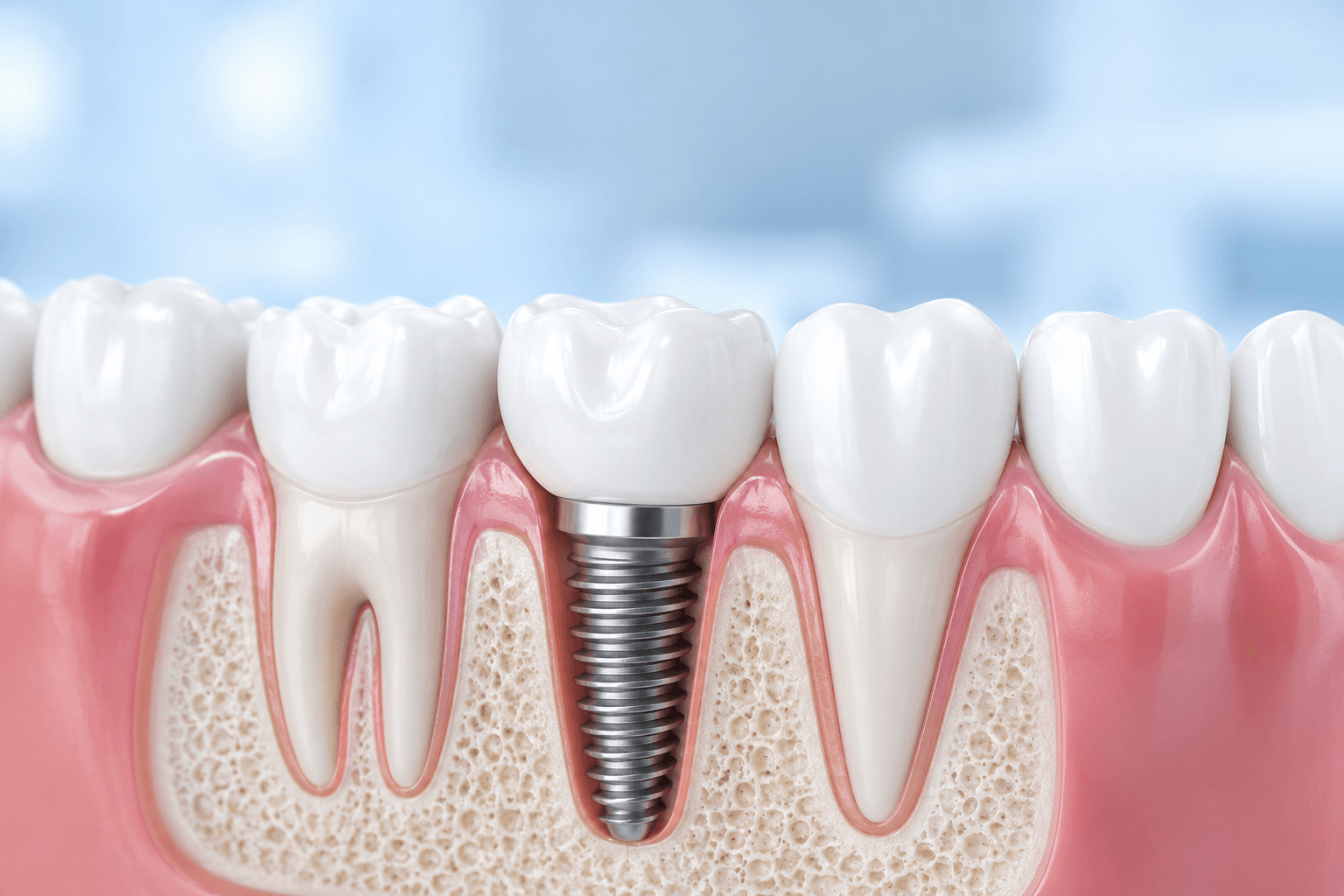
These bridges are supported by dental implants rather than natural teeth. They provide exceptional stability and are often recommended for replacing multiple missing teeth.
Signs You May Need a Dental Bridge
You may be a good candidate for a dental bridge if you:
- Have one or more missing teeth
- Experience difficulty chewing food
- Notice shifting teeth near a gap
- Feel self-conscious about your smile
- Have healthy surrounding teeth or implants to support the bridge
- Want a fixed, non-removable tooth replacement option
A comprehensive dental evaluation can determine the most suitable restoration for your individual needs.
The Dental Bridge Procedure
Initial Consultation
Your dentist will examine your oral health, take digital X-rays, and discuss your treatment goals. A customized treatment plan will be developed based on the condition of your teeth and gums.
Tooth Preparation
For traditional bridges, the supporting teeth are carefully reshaped to accommodate dental crowns that will anchor the bridge.
Impressions and Design
Detailed impressions are taken to ensure the bridge fits comfortably and functions properly. The restoration is custom-crafted to match the color and shape of your natural teeth.
Temporary Bridge Placement
A temporary bridge may be placed while your permanent restoration is being fabricated.
Final Placement
Once the permanent bridge is ready, your dentist will carefully position and secure it, making any necessary adjustments to ensure a comfortable bite.
Benefits of Dental Bridges
Natural Appearance
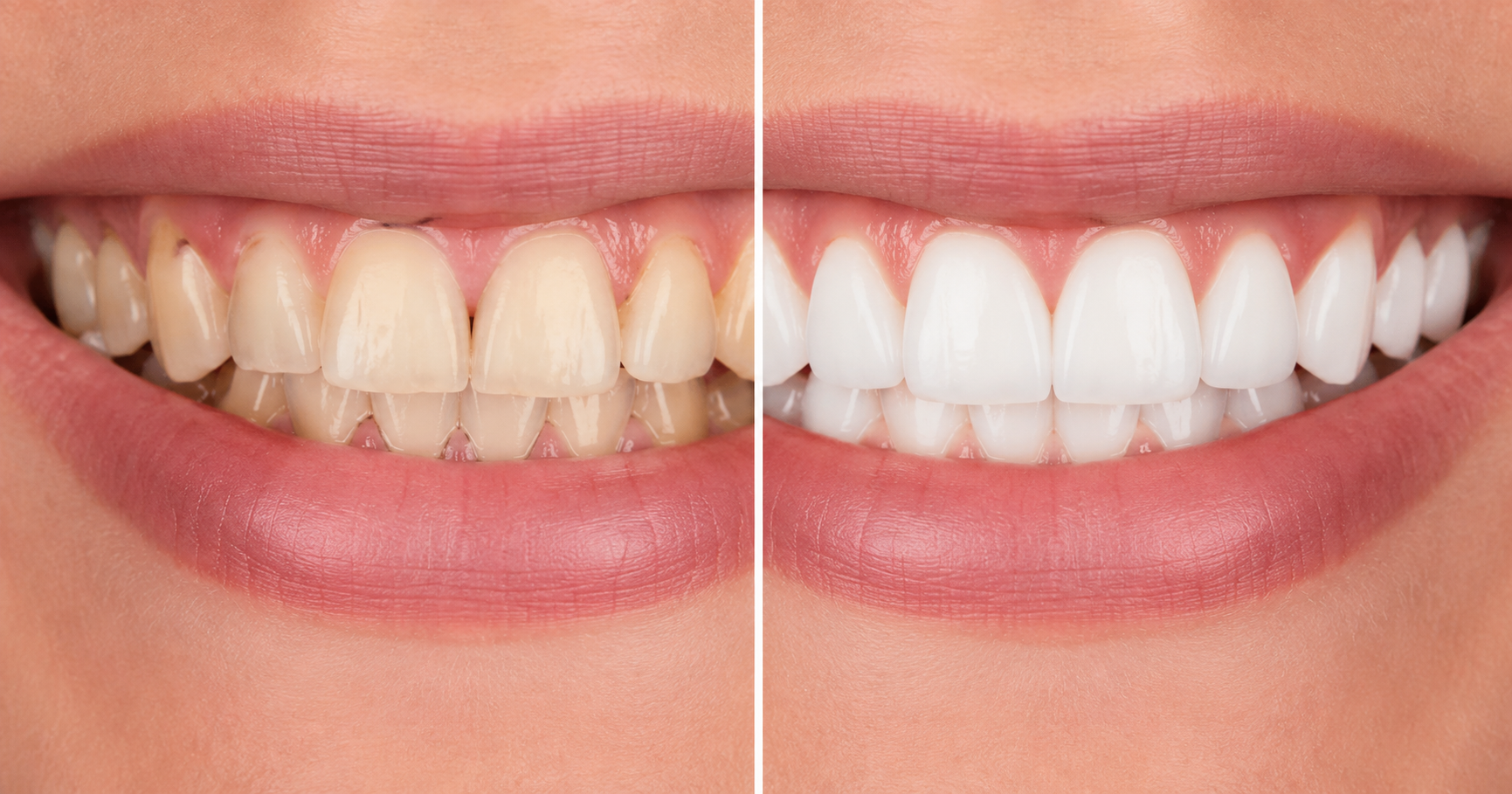
Modern dental bridges are designed to blend naturally with your existing teeth, creating a seamless smile.
Improved Functionality
Bridges restore normal chewing and speaking abilities, making everyday activities easier and more comfortable.
Long-Lasting Solution
With proper care and regular dental visits, dental bridges can last many years.
Increased Confidence
Replacing missing teeth can dramatically improve self-esteem and help you feel more confident in social and professional settings.
Better Oral Health
Bridges help maintain proper tooth alignment and prevent complications associated with missing teeth.
Caring for Your Dental Bridge
Maintaining your dental bridge is essential for its longevity and your overall oral health.
Brush Daily
Brush at least twice a day using a soft-bristled toothbrush and fluoride toothpaste.
Floss Carefully
Special floss threaders or interdental brushes can help clean beneath the bridge and around supporting teeth.
Attend Regular Dental Checkups
Routine dental visits allow your dentist to monitor the condition of your bridge and address any issues early.
Avoid Hard Foods
Chewing ice, hard candies, or other extremely hard foods may damage the bridge or supporting teeth.
Maintain Healthy Gums
Healthy gums provide essential support for your bridge and surrounding teeth.
Why Choose Dental Bridges in Pekin?
Residents of Pekin seeking a dependable solution for missing teeth often choose dental bridges because they provide both aesthetic and functional improvements. Whether you have lost a tooth due to injury, decay, or gum disease, a custom dental bridge can help restore your smile and improve your quality of life.
Modern dental technology allows for highly personalized treatment, ensuring that your bridge looks natural and feels comfortable. By replacing missing teeth promptly, you can protect your oral health and enjoy a confident smile for years to come.
Conclusion
Dental bridges are a proven and effective solution for replacing missing teeth and restoring oral function. They improve appearance, support oral health, enhance speech, and allow you to eat comfortably again. If you are considering dental bridges in Pekin, consulting with an experienced dental professional can help you determine the best treatment option for your unique needs. Investing in a dental bridge today can lead to a healthier, more confident smile tomorrow.