Missing teeth can affect much more than your appearance. They can make eating difficult, impact speech, and reduce self-confidence. Fortunately, modern dentures and partial dentures offer comfortable, natural-looking solutions that help patients regain both function and confidence. For individuals seeking dentures and partial dentures in Champaign, understanding the available options can make the journey toward a healthier smile much easier.
Understanding Dentures
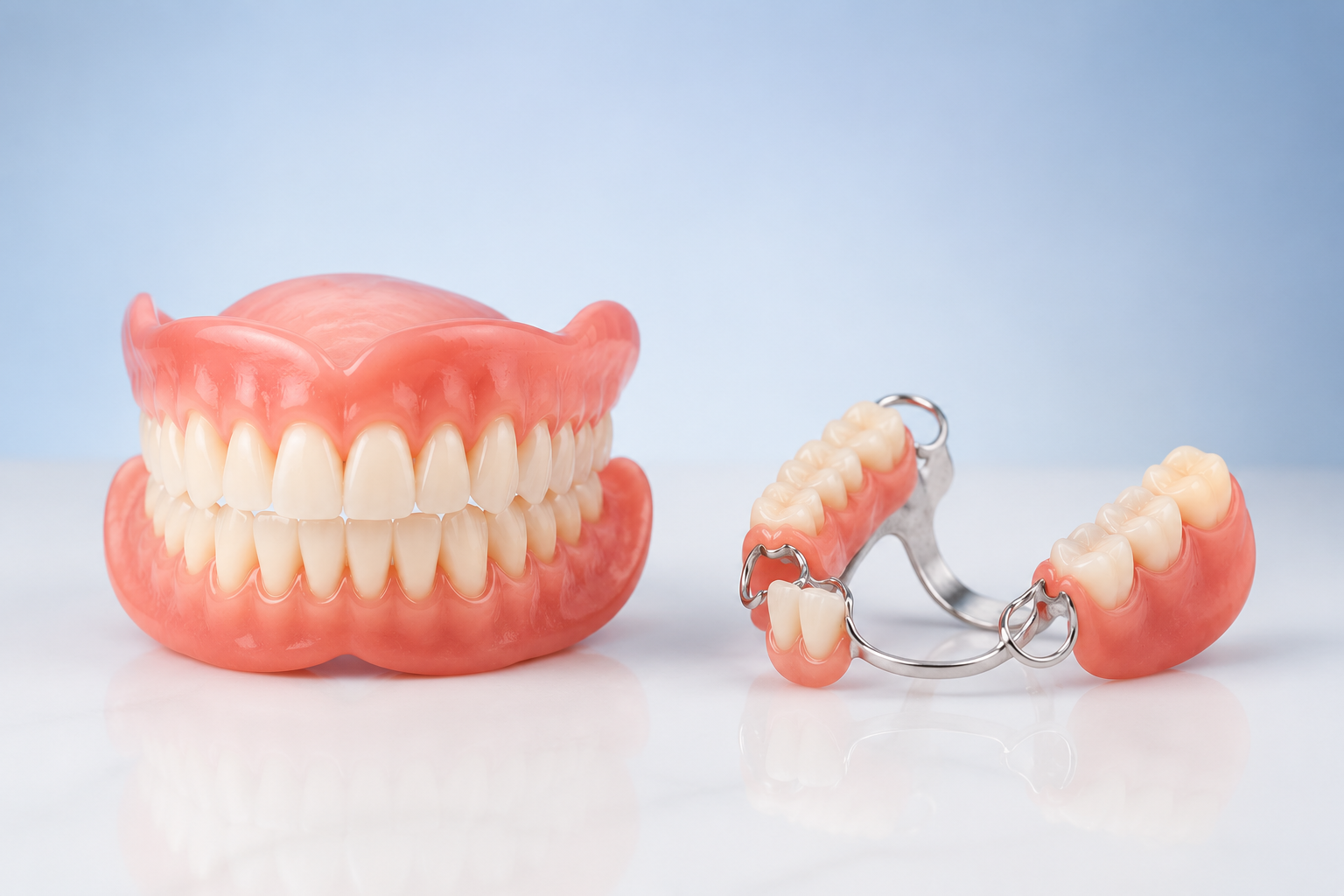
Dentures are removable dental appliances designed to replace missing teeth and surrounding tissues. They help restore your smile while improving your ability to eat, speak, and maintain facial structure. Today’s dentures are more comfortable, durable, and realistic than ever before.
Dentures are typically recommended for patients who have lost multiple teeth due to decay, gum disease, injury, or aging. They are custom-made to fit each patient’s mouth, providing a secure and natural appearance.
What Are Partial Dentures?
Partial dentures are designed for patients who still have some healthy natural teeth remaining. Instead of replacing an entire arch of teeth, partial dentures fill the gaps left by missing teeth. They attach to nearby natural teeth and help maintain proper alignment while preventing remaining teeth from shifting.
Partial dentures can restore chewing ability, improve speech, and enhance the overall appearance of your smile.
Types of Dentures Available
Full Dentures
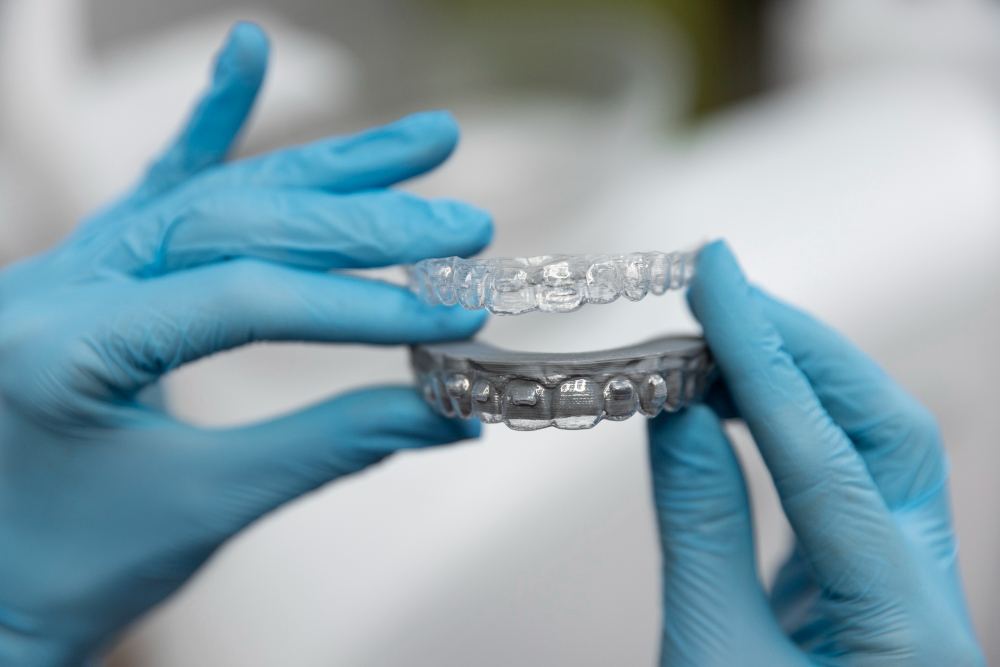
Complete dentures replace all the teeth in either the upper or lower jaw. They are recommended when no natural teeth remain. Full dentures sit directly on the gums and are carefully customized to fit comfortably.
Partial Dentures
Partial dentures are ideal for patients missing several teeth but still retaining healthy natural teeth. They are often supported by a metal or acrylic framework that helps keep the appliance stable.
Immediate Dentures
Immediate dentures are placed immediately after tooth extraction. This allows patients to avoid going without teeth during the healing process. Adjustments may be needed as the gums heal.
Implant-Supported Dentures
Dental implants can provide additional support and stability for dentures. Implant-supported dentures reduce slipping and offer improved comfort and chewing strength.
Benefits of Dentures and Partial Dentures
Modern dentures offer numerous advantages for patients dealing with tooth loss.
- Restore a complete and attractive smile.
- Improve chewing and speaking abilities.
- Support facial muscles and prevent sagging.
- Enhance confidence in social situations.
- Provide an affordable tooth replacement option.
- Help maintain proper alignment of remaining teeth.
- Improve overall oral function and comfort.
Many patients experience a significant improvement in their quality of life after receiving properly fitted dentures.
Signs You May Need Dentures
Several dental issues may indicate the need for dentures or partial dentures, including:
- Multiple missing teeth.
- Difficulty chewing food.
- Frequent tooth pain or severe decay.
- Advanced gum disease.
- Loose or shifting teeth.
- Changes in facial appearance due to tooth loss.
- Speech difficulties caused by missing teeth.
A dental examination can determine the most suitable treatment option based on your oral health needs.
The Denture Process
Getting dentures generally involves several appointments to ensure the best fit and appearance.
Initial Consultation
The dentist examines your teeth, gums, and jawbone to evaluate your oral health and discuss treatment options.
Impressions and Measurements
Precise impressions are taken to create custom dentures that fit comfortably and function properly.
Trial Fitting
A temporary model may be used to check the appearance, fit, and bite before the final dentures are made.
Final Placement
Once completed, the dentures are adjusted and placed. Your dentist will provide instructions for care and maintenance.
Follow-Up Visits
Periodic adjustments help maintain comfort and ensure the dentures continue fitting properly as your mouth changes over time.
Caring for Your Dentures
Proper denture care helps extend their lifespan and maintain oral health.
- Clean dentures daily using a soft brush.
- Remove dentures at night to allow gums to rest.
- Store dentures in water or denture solution.
- Maintain regular dental checkups.
- Clean your gums and tongue every day.
- Avoid using hot water, which can damage dentures.
Good oral hygiene remains important even if all natural teeth have been replaced.
Adjusting to New Dentures
It may take several weeks to fully adjust to new dentures. Some patients experience mild soreness, increased saliva production, or slight speech changes initially. These symptoms typically improve as the mouth adapts.
Eating soft foods, practicing speaking, and following your dentist’s instructions can help make the transition smoother.
Why Choose Dentures in Champaign?
Patients in Champaign have access to advanced dental technology and personalized treatment options. Modern materials create dentures that closely resemble natural teeth, providing improved comfort and aesthetics.
Whether replacing a few missing teeth or an entire arch, dentures can restore your smile and help you enjoy everyday activities with confidence.
Conclusion
Dentures and partial dentures remain reliable and effective solutions for missing teeth. They restore oral function, improve appearance, and help patients regain confidence in their smiles. With today’s advanced techniques and customized treatment options, patients in Champaign can enjoy comfortable, natural-looking results that support long-term oral health.