Many people experience nervousness before visiting the dentist. For some, it’s a mild feeling of uneasiness, while for others, dental anxiety can become so overwhelming that they delay or completely avoid dental care. If you’re struggling with dental anxiety in Shelbyville, you’re not alone. Millions of people experience fear related to dental appointments, but modern dentistry has made significant advances in creating a comfortable, stress-free experience for every patient.
Whether your anxiety comes from a previous negative experience, fear of pain, sensitive teeth, or simply not knowing what to expect, understanding your concerns and finding the right dental team can make all the difference. Today’s dental practices focus on patient comfort through gentle techniques, compassionate communication, and personalized treatment plans.
What Is Dental Anxiety?
Dental anxiety is the feeling of fear, nervousness, or stress associated with visiting the dentist. It can affect patients of all ages and may range from slight nervousness to severe dental phobia.
People with dental anxiety often postpone routine cleanings and examinations, allowing minor oral health issues to develop into more serious problems. Regular dental visits are essential for maintaining healthy teeth and gums, making it important to address anxiety before it impacts your oral health.
Common Causes of Dental Anxiety
Understanding the root of your anxiety is the first step toward overcoming it. Some of the most common causes include:
Previous Negative Experiences
A painful or unpleasant dental visit in the past can leave lasting emotional effects. Even one uncomfortable experience can make future appointments stressful.
Fear of Pain
Although modern dentistry has become much more comfortable, many people still worry that dental procedures will be painful.
Fear of Needles
Some patients experience anxiety specifically related to injections or numbing procedures.
Sensitive Gag Reflex
Patients with a strong gag reflex may feel uncomfortable during dental treatments and worry about losing control.
Sounds and Smells
The sounds of dental equipment or the smell of a dental office can trigger anxiety for some individuals.
Feeling Embarrassed
People who haven’t visited the dentist for years may feel embarrassed about the condition of their teeth. Dentists are there to help—not judge—and their primary goal is improving your oral health.
Signs You May Have Dental Anxiety
Dental anxiety affects everyone differently. Common symptoms include:
- Rapid heartbeat before appointments
- Trouble sleeping the night before a dental visit
- Sweating or shaking while waiting
- Feeling nauseous
- Difficulty breathing
- Crying or feeling emotional
- Canceling appointments repeatedly
- Avoiding dental care altogether
Recognizing these signs allows you and your dentist to work together on reducing your stress.
Why You Shouldn’t Delay Dental Care
Avoiding the dentist due to anxiety often leads to more complex oral health problems. Small cavities can become larger, gum disease may worsen, and untreated infections can eventually require extensive procedures.
Routine preventive care helps:
- Detect dental issues early
- Prevent tooth decay
- Reduce the risk of gum disease
- Save money on future treatments
- Maintain a healthy smile
- Improve overall health
Early treatment is usually faster, simpler, and more comfortable than waiting until problems become severe.
How Dentists Help Patients with Dental Anxiety
Modern dental practices understand that patient comfort is essential. Dentists use several techniques to make appointments more relaxing.
Open Communication
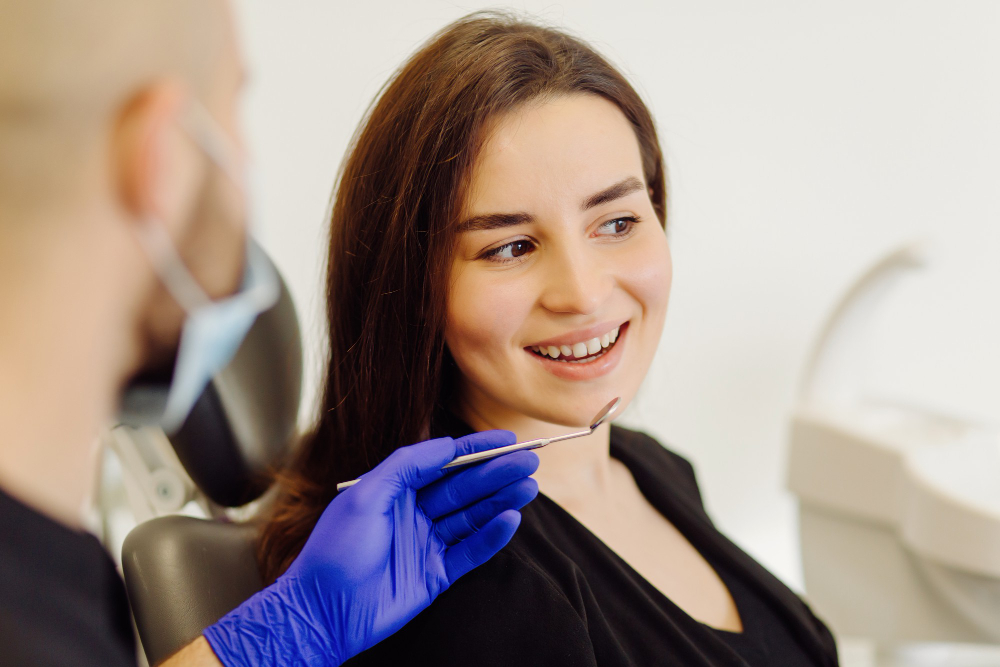
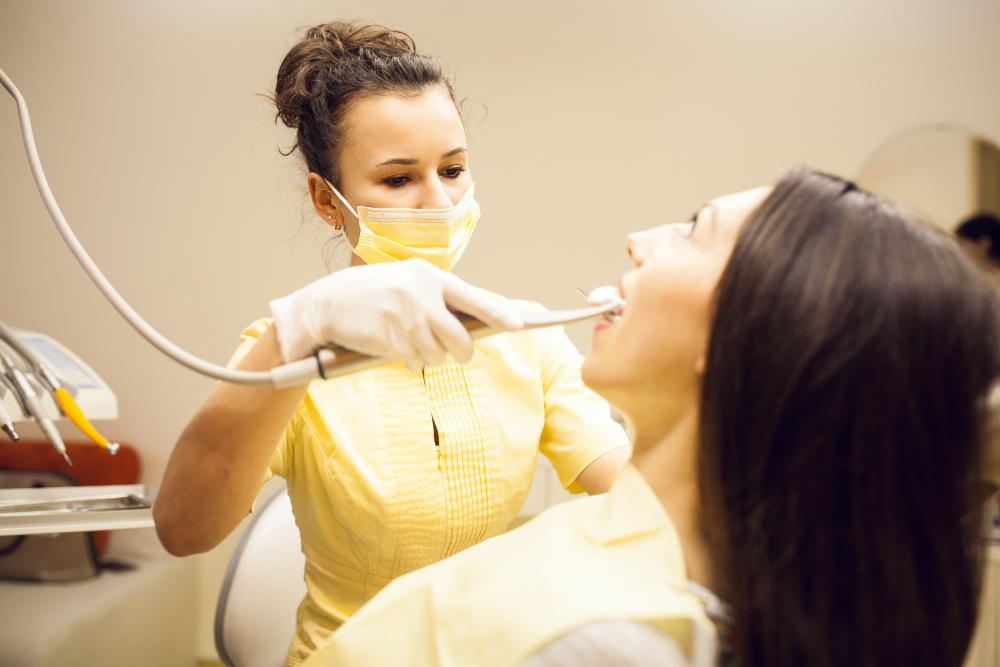
Sharing your fears with your dentist allows them to adjust your treatment and explain every step before beginning.
Gentle Dental Techniques
Today’s equipment and techniques are designed to minimize discomfort and reduce treatment time.
Comfortable Environment
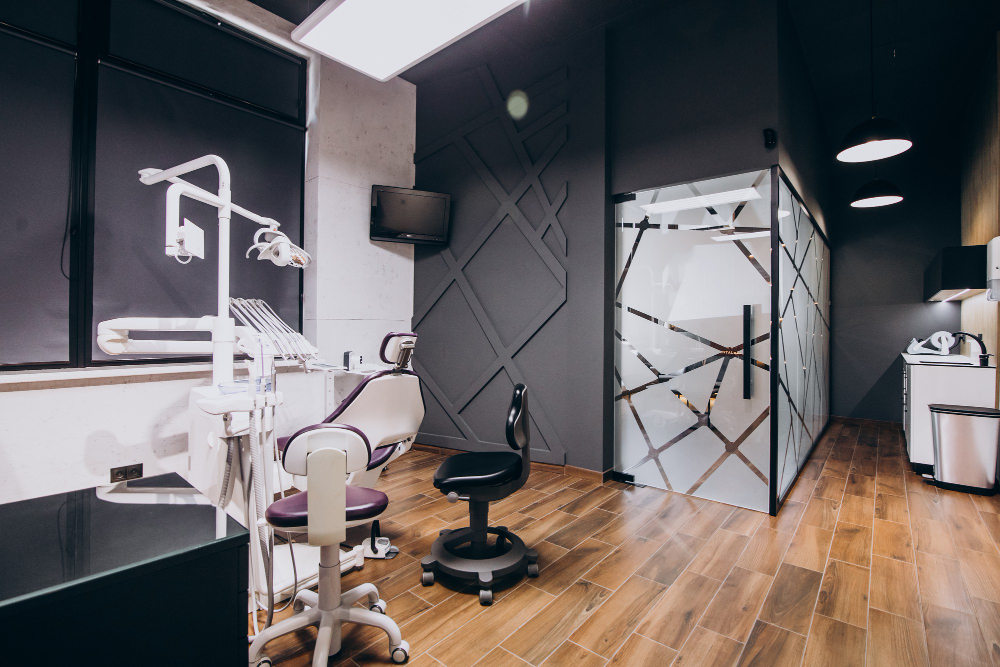
Many dental offices offer calming environments with comfortable chairs, soothing music, and friendly staff to help patients feel at ease.
Treatment at Your Pace
Dentists can take breaks during procedures whenever needed, giving anxious patients more control over their experience.
Numbing Options
Local anesthesia helps ensure treatments remain as comfortable and pain-free as possible.
Tips for Managing Dental Anxiety
If you feel nervous about visiting the dentist, these strategies may help:
Schedule Morning Appointments
Getting your appointment done early prevents anxiety from building throughout the day.
Practice Deep Breathing
Slow, controlled breathing helps relax your body and reduce stress.
Listen to Music
Bringing headphones with calming music or podcasts can help distract you during treatment.
Bring a Friend
Having someone accompany you to your appointment can provide reassurance.
Discuss Your Concerns
Your dentist can explain procedures in detail and answer any questions, helping reduce fear of the unknown.
Use Relaxation Techniques
Meditation, visualization, and mindfulness exercises before your appointment can improve your comfort level.
The Importance of Choosing a Compassionate Dental Team
Finding a dentist who understands dental anxiety can completely change your experience. A caring dental team listens carefully, answers questions patiently, and never rushes treatment.
Patients who feel respected and supported often become more confident with each appointment, making future visits much easier.
Benefits of Overcoming Dental Anxiety
Addressing dental anxiety offers long-term advantages, including:
- Healthier teeth and gums
- Fewer dental emergencies
- More confident smile
- Better overall health
- Reduced treatment costs
- Improved quality of life
- Greater peace of mind during future appointments
Many patients discover that modern dentistry is far more comfortable than they expected.
Preventive Care Builds Confidence
Routine dental visits become easier over time. Regular cleanings and exams are typically quick and comfortable, helping patients develop trust with their dental team while preventing larger dental problems.
The more consistently you attend appointments, the less intimidating they often become.
Final Thoughts
Dental anxiety is extremely common, but it shouldn’t prevent you from achieving excellent oral health. Modern dental care focuses on comfort, communication, and personalized treatment, making visits much less stressful than many people expect.
If you’re experiencing dental anxiety in Shelbyville, choosing a compassionate dental team and openly discussing your concerns can help transform your dental experience. Taking the first step toward regular dental care today can lead to a healthier smile, greater confidence, and improved overall well-being for years to come.