Wisdom teeth are the last set of molars to develop, typically appearing between the ages of 17 and 25. While some people experience no issues with their wisdom teeth, many face pain, overcrowding, infections, or impacted teeth that require professional removal. If you’re looking for wisdom teeth extraction in Shelbyville, understanding the procedure, benefits, recovery process, and when to seek treatment can help you make informed decisions about your oral health.
Modern dental techniques have made wisdom teeth removal safer, more comfortable, and faster than ever before. With proper care and an experienced dental team, most patients recover quickly and enjoy lasting relief from pain and dental complications.
What Are Wisdom Teeth?
Wisdom teeth, also known as third molars, are the final permanent teeth to emerge at the back of your mouth. Most adults have four wisdom teeth—two on the upper jaw and two on the lower jaw.
Unfortunately, many people don’t have enough room in their mouths to accommodate these additional teeth. As a result, wisdom teeth often become impacted, grow at odd angles, or fail to erupt properly.
Why Wisdom Teeth Need to Be Removed
Not every wisdom tooth requires extraction. However, dentists often recommend removal when these teeth cause or are likely to cause oral health problems.
Common reasons include:
- Impacted wisdom teeth
- Severe tooth pain
- Swollen or bleeding gums
- Tooth decay
- Gum infections
- Damage to neighboring teeth
- Crowded teeth
- Development of cysts
- Difficulty cleaning back teeth
Removing problematic wisdom teeth early can prevent more serious dental issues in the future.
Signs You May Need Wisdom Teeth Extraction
If you’re experiencing any of the following symptoms, schedule a dental evaluation as soon as possible:
Persistent Pain
Pain in the back of the mouth is one of the earliest signs that wisdom teeth may be erupting improperly.
Swollen or Tender Gums
Inflamed gums around partially erupted wisdom teeth can indicate infection or irritation.
Jaw Stiffness
Difficulty opening your mouth or pain while chewing may result from impacted wisdom teeth.
Frequent Infections
Food and bacteria can become trapped around wisdom teeth, leading to repeated gum infections.
Bad Breath
Chronic bad breath or an unpleasant taste in your mouth may be caused by infection around wisdom teeth.
Headaches or Jaw Pressure
Impacted teeth can place pressure on surrounding structures, causing discomfort beyond the mouth.
What Are Impacted Wisdom Teeth?
An impacted wisdom tooth is one that cannot fully emerge because there isn’t enough space in the jaw.
Types of impaction include:
Soft Tissue Impaction
The tooth partially erupts but remains covered by gum tissue.
Partial Bony Impaction
Part of the tooth remains trapped inside the jawbone.
Complete Bony Impaction
The entire tooth stays beneath the bone and gums.
Horizontal Impaction
The tooth grows sideways and pushes against the neighboring molar.
Your dentist will determine the type of impaction using digital X-rays before recommending treatment.
The Wisdom Teeth Extraction Procedure
Understanding the process helps reduce anxiety before your appointment.
Initial Examination
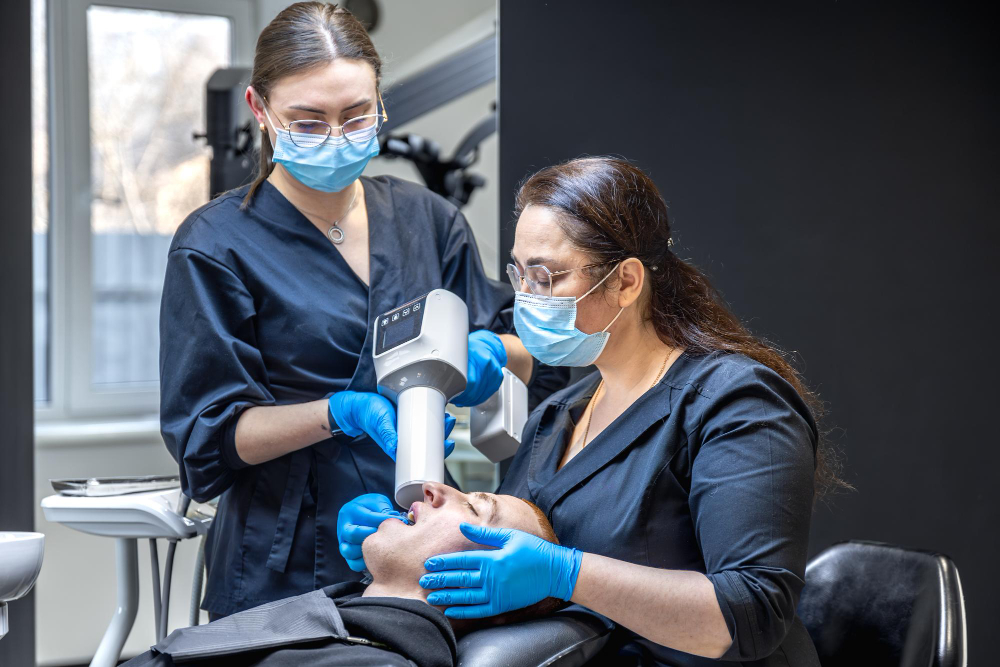
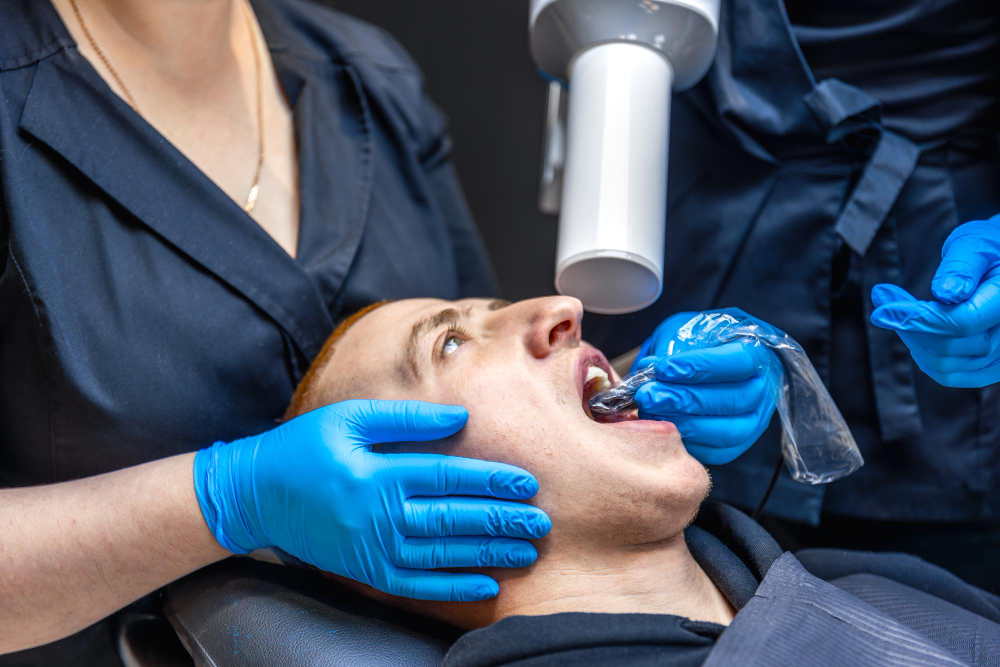
Your dentist performs a thorough oral examination and takes digital X-rays to evaluate the position of your wisdom teeth.
Personalized Treatment Plan
The dental team discusses the complexity of your case and recommends the best extraction method.
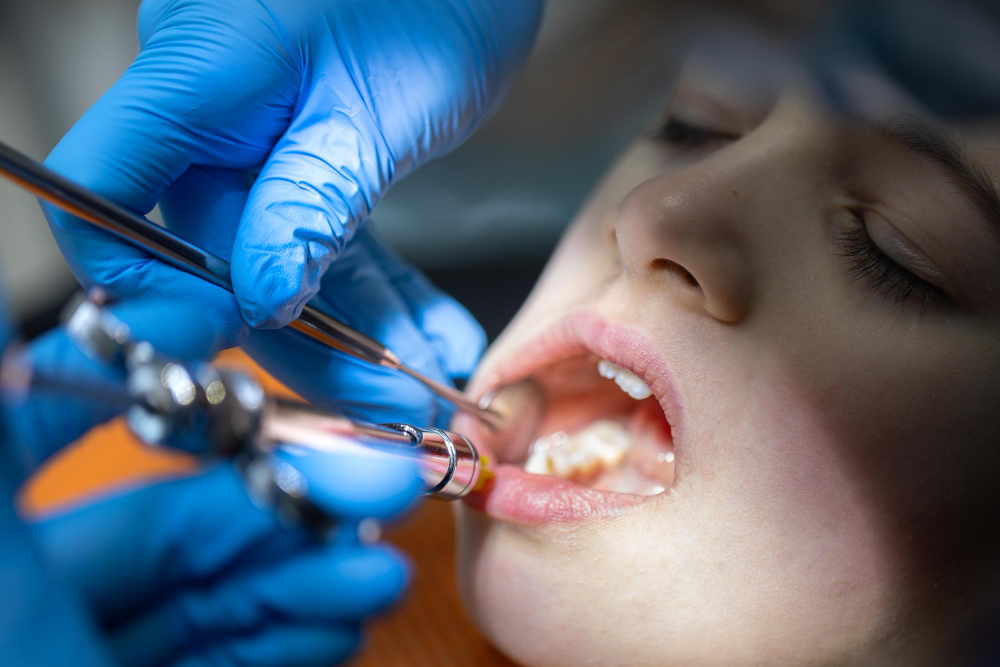
Local Anesthesia or Sedation
Depending on your needs and comfort level, local anesthesia or dental sedation may be used to ensure a pain-free experience.
Tooth Removal
For erupted wisdom teeth, the extraction is usually straightforward. Impacted teeth may require a small incision and sectioning of the tooth for easier removal.
Closing the Area
If necessary, dissolvable stitches are placed, and gauze is applied to control bleeding.
Is Wisdom Teeth Removal Painful?
Many patients worry about discomfort during the procedure. Thanks to modern anesthesia and sedation techniques, you should feel pressure rather than pain during extraction.
Mild soreness afterward is normal and can usually be managed with prescribed or over-the-counter medications, cold compresses, and rest.
Benefits of Wisdom Teeth Extraction
Removing problematic wisdom teeth offers numerous long-term advantages.
Prevents Crowding
Extraction helps protect the alignment of your existing teeth.
Reduces Infection Risk
Removing partially erupted wisdom teeth eliminates areas where bacteria commonly collect.
Protects Adjacent Teeth
Impacted wisdom teeth can damage neighboring molars if left untreated.
Prevents Gum Disease
Healthy gums are easier to maintain after troublesome wisdom teeth are removed.
Relieves Chronic Pain
Many patients notice immediate relief from jaw discomfort and recurring headaches after healing.
Improves Oral Hygiene
Without hard-to-reach wisdom teeth, brushing and flossing become much easier.
Recovery After Wisdom Teeth Extraction
Most patients recover within one to two weeks.
First 24 Hours
- Rest as much as possible.
- Bite gently on gauze to control bleeding.
- Apply ice packs to reduce swelling.
- Avoid smoking and alcohol.
- Do not use straws.
During Recovery
Choose soft foods such as:
- Yogurt
- Applesauce
- Mashed potatoes
- Smooth soups
- Oatmeal
- Scrambled eggs
- Smoothies (without using a straw)
Drink plenty of water and keep the extraction site clean according to your dentist’s instructions.
Foods to Avoid
Avoid foods that may interfere with healing, including:
- Chips
- Popcorn
- Nuts
- Spicy foods
- Sticky candy
- Hard bread
- Carbonated beverages
- Extremely hot foods
Following dietary recommendations reduces the risk of complications like dry socket.
Possible Risks of Delaying Extraction
Ignoring problematic wisdom teeth can lead to:
- Severe infections
- Tooth decay
- Gum disease
- Jaw pain
- Bone damage
- Tooth crowding
- Damage to nearby teeth
- Cysts around impacted teeth
Early diagnosis often makes the extraction procedure simpler and recovery easier.
Who Should Consider Wisdom Teeth Removal?
Wisdom teeth extraction may be recommended for:
- Teenagers with developing wisdom teeth
- Young adults experiencing pain
- Adults with impacted wisdom teeth
- Patients preparing for orthodontic treatment
- Individuals with recurring gum infections
- Patients experiencing jaw discomfort
Routine dental exams help determine the ideal timing for extraction.
Why Choose Wisdom Teeth Extraction in Shelbyville?
Patients in Shelbyville benefit from modern dental technology, digital imaging, experienced professionals, and personalized care throughout every stage of treatment. Whether you need a simple extraction or a more complex surgical procedure, receiving timely treatment can protect your smile and prevent future complications.
Early evaluation allows your dentist to monitor wisdom teeth before they become painful, making treatment easier and recovery smoother.
Schedule Your Wisdom Teeth Consultation Today
If you’re experiencing pain, swelling, or discomfort at the back of your mouth, don’t wait for the problem to worsen. Professional wisdom teeth extraction can relieve pain, protect neighboring teeth, and support your long-term oral health. A comprehensive examination will determine whether removal is the best option and help you enjoy a healthier, more comfortable smile.