Emergency Dentist in Shelbyville

Dental emergencies can happen unexpectedly and may require prompt professional attention. Tooth pain, swelling, broken teeth, and dental injuries can affect daily activities and should not be ignored.
Most dental providers offer emergency dental care, but the recommended treatment can vary depending on the type of problem, its severity, and the care required. Affinity Family Dentists provides dental care in Shelbyville, helping patients understand their treatment options. This blog covers emergency dental services, a comparison table, and a checklist to help patients understand what to expect.
Emergency Dentist Options in Shelbyville: What Determines the Right Choice?
The right emergency dental treatment depends on the symptoms, affected tooth, and urgency of the dental condition.
| Type or Option | Key Characteristics | Best Fit For |
|---|---|---|
| Emergency Toothache Treatment | Examination to identify the cause of tooth pain | Patients experiencing severe toothaches |
| Broken or Chipped Tooth Care | Evaluation and repair of damaged teeth | Patients with broken or chipped teeth |
| Emergency Root Canal Treatment | Treatment for infected or damaged tooth pulp | Patients with severe tooth infections |
| Dental Extraction | Removal of a severely damaged or infected tooth when necessary | Patients whose teeth cannot be restored |
Basic emergency care focuses on identifying and relieving the immediate problem, while more advanced treatment addresses complex dental conditions.
The dentist recommends an appropriate treatment after evaluating the patient’s dental condition.
Why Do Two Emergency Dentist Treatment Plans in Shelbyville Look Different?
Not every dental emergency requires the same treatment. Providers may recommend different procedures depending on the condition and the care needed.
Common differences include:
Treatment Bundling: Some treatment plans include examination, X rays, and necessary procedures, while others list them separately.
Complexity Levels: A minor tooth fracture may require a simple restoration, while a severe infection may need more extensive treatment.
Follow Up Care: Some conditions require additional visits to monitor healing and treatment progress.
Additional Services: X rays, temporary restorations, prescriptions, and specialist referrals may influence the overall treatment plan.
Understanding these differences helps patients make informed decisions about emergency dental care.
Emergency Dentist Types in Shelbyville: What Each Option Involves
Emergency Toothache Treatment
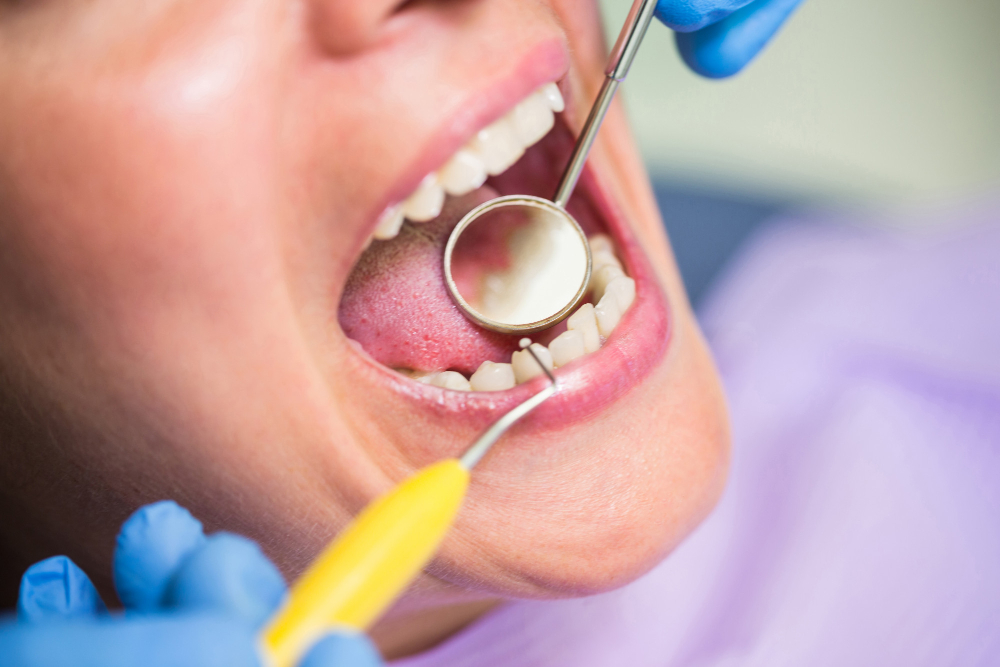
Emergency toothache treatment helps identify the cause of sudden or severe dental pain. It may involve an examination, diagnostic imaging, and appropriate treatment based on the findings. This is suitable for patients experiencing persistent discomfort.
Broken or Chipped Tooth Treatment
A broken or chipped tooth may require dental bonding, a filling, or a crown depending on the damage. This treatment helps restore the tooth’s appearance and function. It suits patients with damaged teeth caused by accidents or injuries.
Emergency Root Canal Treatment
Root canal treatment may be recommended when the inner part of a tooth becomes infected or severely damaged. It helps remove infected tissue and preserve the natural tooth when possible. This option is suitable for patients with certain advanced dental infections.
Emergency Tooth Extraction
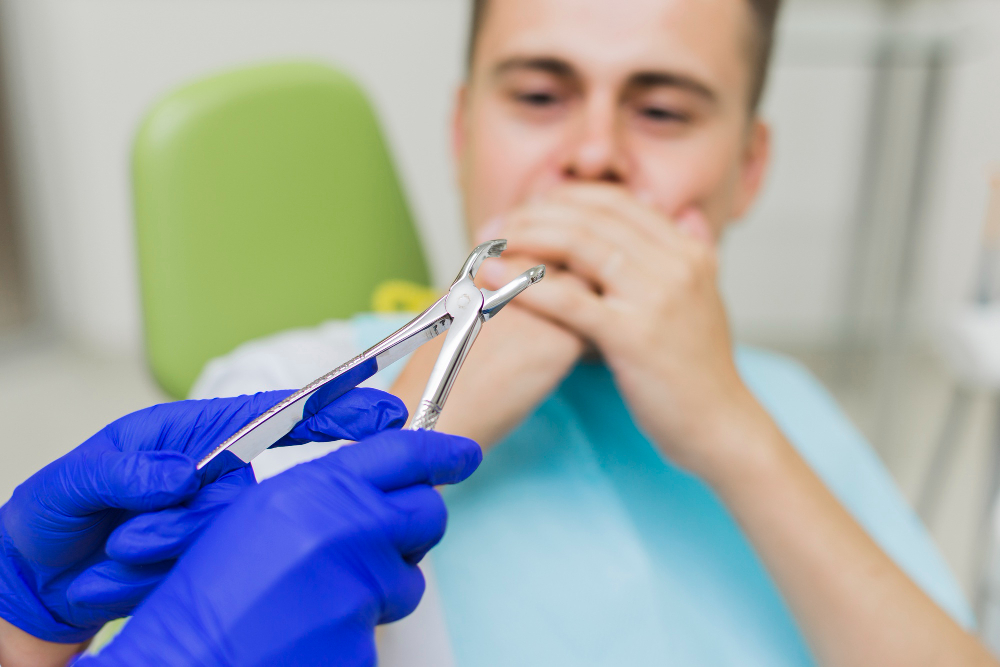
Tooth extraction may be necessary when a tooth is severely damaged or cannot be restored. The dentist evaluates the condition before recommending removal. This treatment is suitable for specific cases involving extensive damage or infection.
The treatment should fit the patient’s dental condition, not be picked like a menu item.
Emergency Dentist Checklist: Included vs Extra
Understanding what emergency dental care involves helps patients prepare for their visit.
| Often Included | Often Extra |
|---|---|
| Initial dental examination | Additional diagnostic imaging |
| Assessment of dental symptoms | Specialist consultation |
| Treatment recommendations | Follow up procedures |
| Basic treatment planning | Additional restorative treatment |
One important factor that can change the treatment plan is the severity of the dental condition. A minor dental injury may need a simple procedure, while a serious infection or damaged tooth may require more extensive care. Early evaluation can help identify the problem and determine the appropriate treatment.
Affinity Family Dentists’ emergency dentist page explains when emergency dental care is recommended and why symptom severity and the underlying dental condition matter when choosing the right treatment.
Still Looking for the Best Emergency Dentist in Shelbyville? Contact Affinity Family Dentists
Affinity Family Dentists provides dental care for patients seeking professional dental assistance in Shelbyville. The team focuses on evaluating dental concerns and recommending suitable treatment options based on individual needs.
Here is a simple process to understand your emergency dental care:
Consult: Explain your symptoms and dental concerns to the dental team.
Confirm Scope: Understand the examination findings and recommended treatment.
Choose Option: Discuss suitable treatment options based on your condition.
Get a Written Plan: Review the treatment recommendations and follow up instructions.
Experiencing a dental emergency? Contact Affinity Family Dentists for professional dental care in Shelbyville.
Business Name: Affinity Family Dentists
Address: 2158 Intelliplex Dr, Ste 114, Shelbyville, IN 46176
Phone: (317) 392 3231
Visit Affinity Family Dentists to discuss your dental concerns and understand your emergency treatment options. For facial swelling, difficulty breathing or swallowing, or serious facial injuries, seek emergency medical care immediately.
Book Appointment
Recent Posts