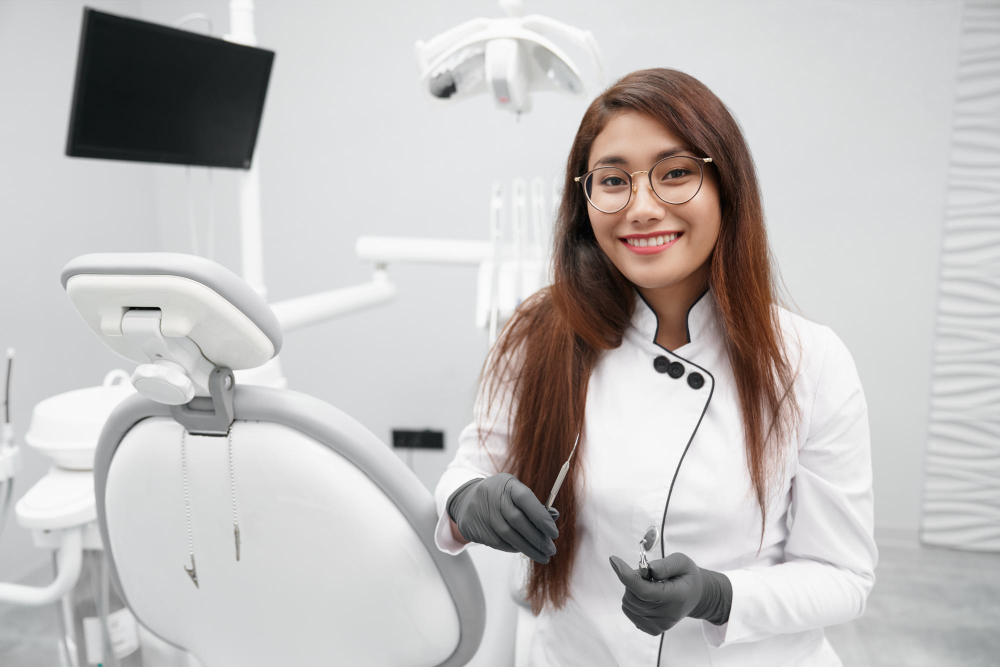
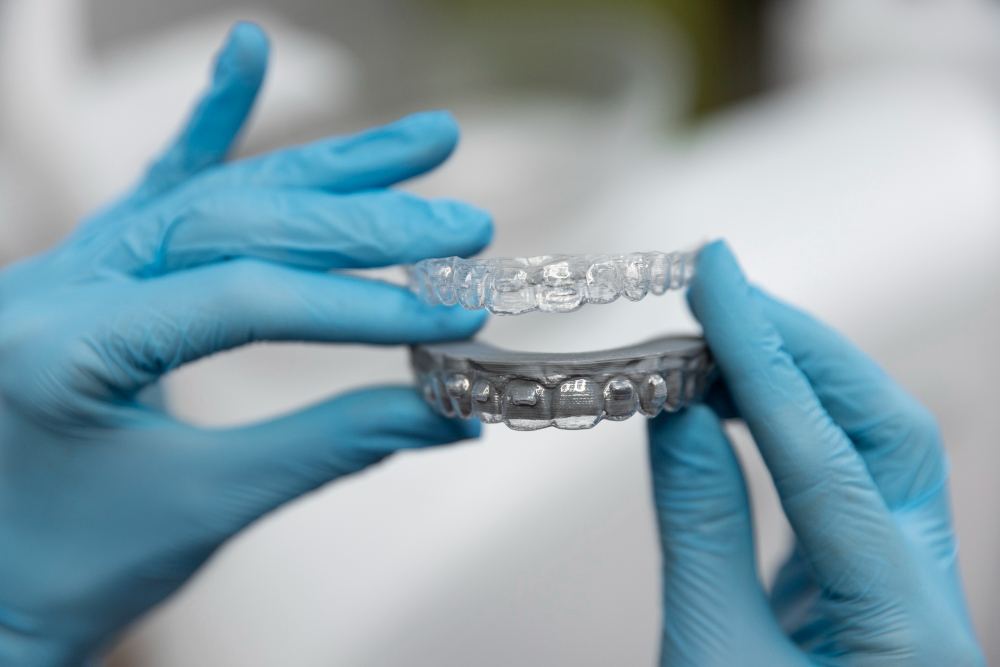
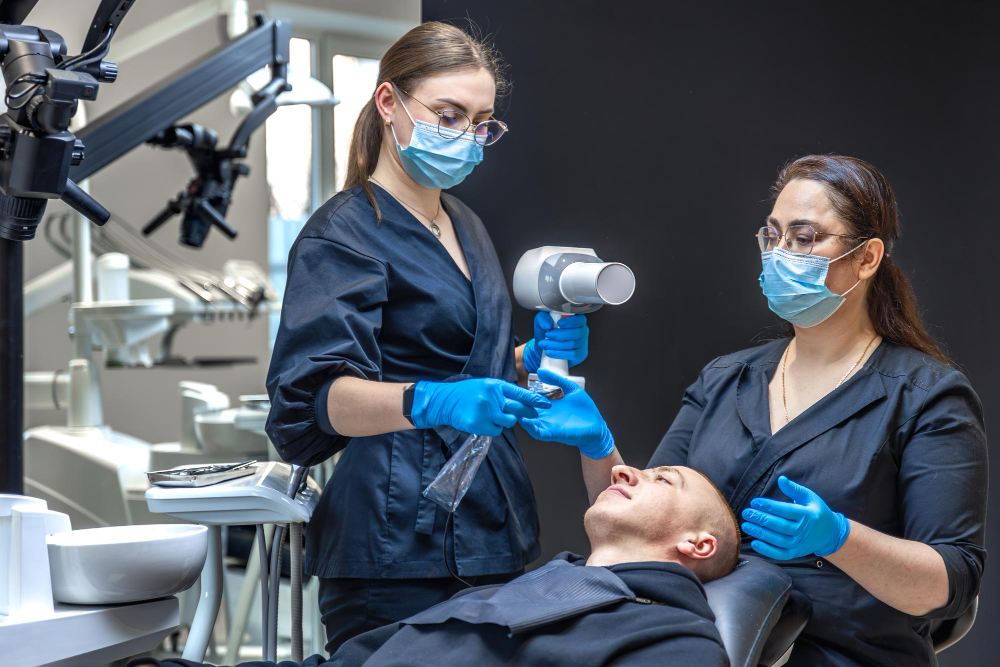
Dental anxiety is a common concern that affects people of all ages. For many residents in Champaign, fear of dental visits can lead to postponed appointments, untreated oral health issues, and increased discomfort over time. Whether your anxiety stems from a previous negative experience, fear of pain, or simply feeling uneasy in a dental setting, understanding dental anxiety and learning how to manage it can help you maintain a healthy smile.
What Is Dental Anxiety?
Dental anxiety refers to feelings of stress, nervousness, or fear associated with visiting a dentist. Some individuals may feel mildly uncomfortable, while others experience severe anxiety that prevents them from scheduling or attending dental appointments. This condition can affect both children and adults and often leads to delayed dental care.
When dental visits are avoided, minor oral health problems such as cavities or gum inflammation can develop into more serious conditions that require extensive treatment.
Common Causes of Dental Anxiety
Many factors can contribute to dental anxiety, including:
Fear of Pain
One of the most common reasons people avoid dental care is the fear that treatment will be painful. While modern dentistry has significantly improved patient comfort, many individuals still associate dental procedures with discomfort.
Negative Past Experiences
A previous unpleasant dental visit can leave lasting emotional effects. Even a single negative experience may create anxiety about future appointments.
Fear of Needles or Dental Instruments
The sight of needles, drills, and other dental tools can trigger fear and nervousness in some patients.
Loss of Control
Sitting in a dental chair while someone works inside your mouth can make some individuals feel vulnerable or powerless.
Embarrassment About Oral Health
Patients who have not visited a dentist for years may feel embarrassed about the condition of their teeth and gums, leading them to avoid care altogether.
Signs of Dental Anxiety
Dental anxiety can present itself in different ways. Common symptoms include:
- Increased heart rate before appointments
- Trouble sleeping the night before a dental visit
- Excessive sweating
- Feelings of panic or nervousness
- Difficulty concentrating
- Avoiding or canceling appointments
- Feeling physically ill before dental treatment
Recognizing these symptoms is the first step toward managing dental anxiety effectively.
How Dental Anxiety Affects Oral Health
Avoiding routine dental care can have serious consequences. Regular checkups help detect oral health issues before they become severe. When appointments are delayed, patients may experience:
- Tooth decay
- Gum disease
- Tooth loss
- Dental infections
- Chronic pain
- More complex and costly treatments
By addressing dental anxiety early, patients can protect their oral health and prevent future complications.
Tips for Managing Dental Anxiety
Communicate with Your Dentist
One of the most effective ways to reduce anxiety is to openly discuss your concerns with your dentist. Dental professionals understand that many patients experience fear and can adjust their approach to help you feel more comfortable.
Schedule Morning Appointments
Morning appointments can reduce the amount of time you spend worrying about your visit throughout the day.
Bring a Support Person
Having a trusted friend or family member accompany you to your appointment can provide emotional reassurance.
Practice Relaxation Techniques
Deep breathing exercises, meditation, and mindfulness techniques can help calm your nerves before and during treatment.
Listen to Music
Many dental offices allow patients to wear headphones and listen to their favorite music or podcasts to help reduce stress.
Start with a Consultation
If you’re extremely nervous, consider scheduling an initial consultation rather than a treatment appointment. This allows you to meet the dental team, discuss your concerns, and become familiar with the office environment.
Modern Dentistry Focuses on Patient Comfort
Today’s dental technology and treatment methods are designed to provide a more comfortable experience than ever before. Advanced diagnostic tools, improved anesthetics, gentle treatment techniques, and patient-focused care help minimize discomfort and create a positive dental experience.
Many dental practices in Champaign prioritize patient comfort and work closely with anxious patients to ensure they feel safe and supported throughout their visit.
Benefits of Overcoming Dental Anxiety
Addressing dental anxiety can lead to numerous benefits, including:
- Better oral health
- Early detection of dental problems
- Reduced risk of serious dental conditions
- Improved confidence in your smile
- Less need for extensive dental treatments
- Greater peace of mind regarding your overall health
Regular dental visits play an important role in maintaining both oral and overall wellness.
Conclusion
Dental anxiety is a real and common challenge, but it should not prevent you from receiving the care you need. Understanding the causes of dental fear and taking proactive steps to manage anxiety can help make dental visits more comfortable and stress-free. With compassionate dental professionals, modern treatment techniques, and open communication, patients in Champaign can overcome dental anxiety and enjoy healthier smiles for years to come.