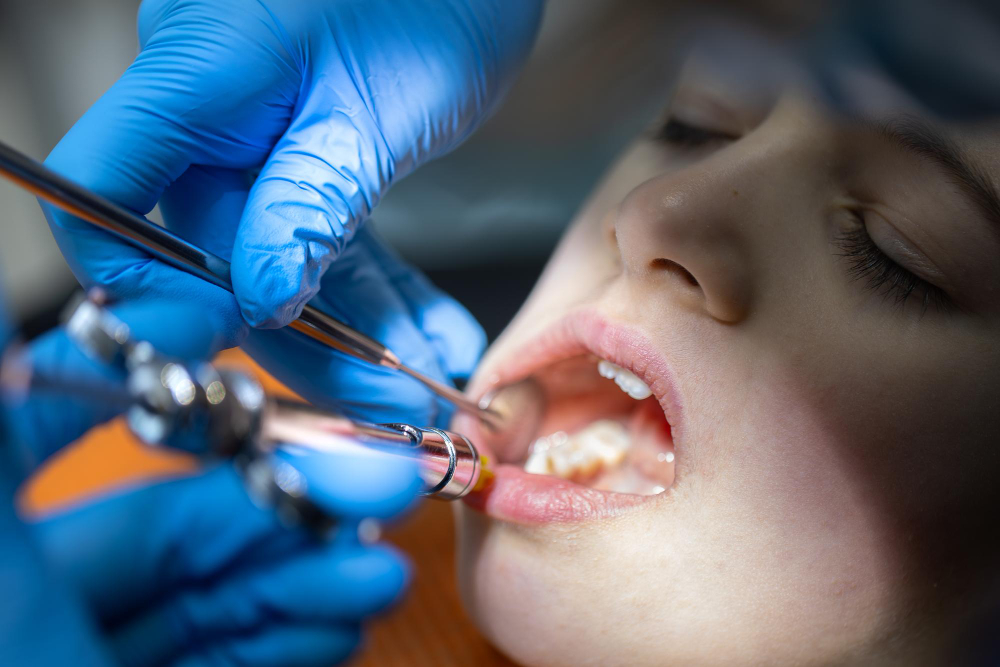
Dental anxiety is a common concern that affects people of all ages. For many individuals in Pekin, the thought of visiting a dentist can trigger feelings of nervousness, fear, or stress. Whether it stems from a previous negative experience, fear of pain, sensitive teeth, or simply uncertainty about dental procedures, dental anxiety can prevent people from receiving the care they need. Unfortunately, avoiding dental appointments often leads to more serious oral health issues that require extensive treatment.
Understanding dental anxiety and learning how modern dentistry helps patients feel comfortable can make a significant difference. Today’s dental practices focus on creating a welcoming environment and offering patient-centered care to reduce fear and ensure a positive experience.
What Is Dental Anxiety?
Dental anxiety refers to feelings of fear, stress, or nervousness associated with dental visits. Some patients experience mild uneasiness before an appointment, while others may suffer from severe dental phobia that prevents them from seeking treatment altogether.
Common signs of dental anxiety include:
- Increased heart rate before appointments
- Difficulty sleeping the night before a dental visit
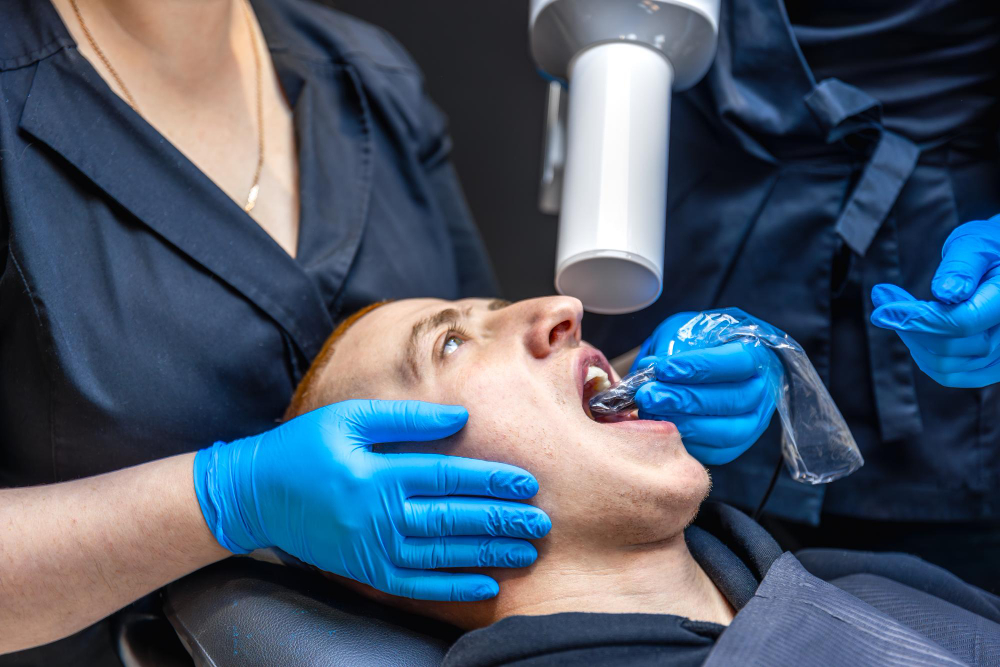
- Feeling tense or nervous in the dental chair
- Sweating or shaking during treatment
- Avoiding regular dental checkups
- Feeling overwhelmed by dental instruments or sounds
Recognizing these symptoms is the first step toward overcoming dental anxiety and maintaining good oral health.
Common Causes of Dental Anxiety
Several factors can contribute to dental anxiety, including:
Previous Negative Experiences
A painful or unpleasant dental experience in the past can create lasting fear. Patients may worry that future treatments will be uncomfortable or stressful.
Fear of Pain
Many people associate dental procedures with pain, even though modern dental technology has made treatments significantly more comfortable than in the past.
Loss of Control
Sitting in a dental chair and being unable to see what is happening can make some patients feel vulnerable or anxious.
Embarrassment About Oral Health
Individuals who have not visited a dentist in several years may feel embarrassed about the condition of their teeth and gums.
Fear of Needles or Dental Instruments
Some patients become anxious when they see needles, drills, or other dental tools, even before treatment begins.
Why You Should Not Avoid Dental Care
Skipping dental appointments due to anxiety can lead to serious oral health problems. Minor issues such as cavities or gum inflammation can worsen over time and require more extensive treatment.
Regular dental visits help:
- Detect cavities early
- Prevent gum disease
- Maintain healthy teeth and gums
- Reduce the risk of tooth loss
- Improve overall health
- Save money on future dental treatments
The sooner dental concerns are addressed, the easier and less invasive treatment often becomes.
How Modern Dentistry Helps Reduce Anxiety
Dental practices today prioritize patient comfort and use advanced techniques to make treatments as stress-free as possible.
Open Communication
Dentists encourage patients to discuss their fears and concerns. Understanding the treatment process can reduce uncertainty and help patients feel more in control.
Gentle Treatment Techniques
Modern dental equipment and advanced procedures are designed to minimize discomfort while improving efficiency and accuracy.
Comfortable Environment
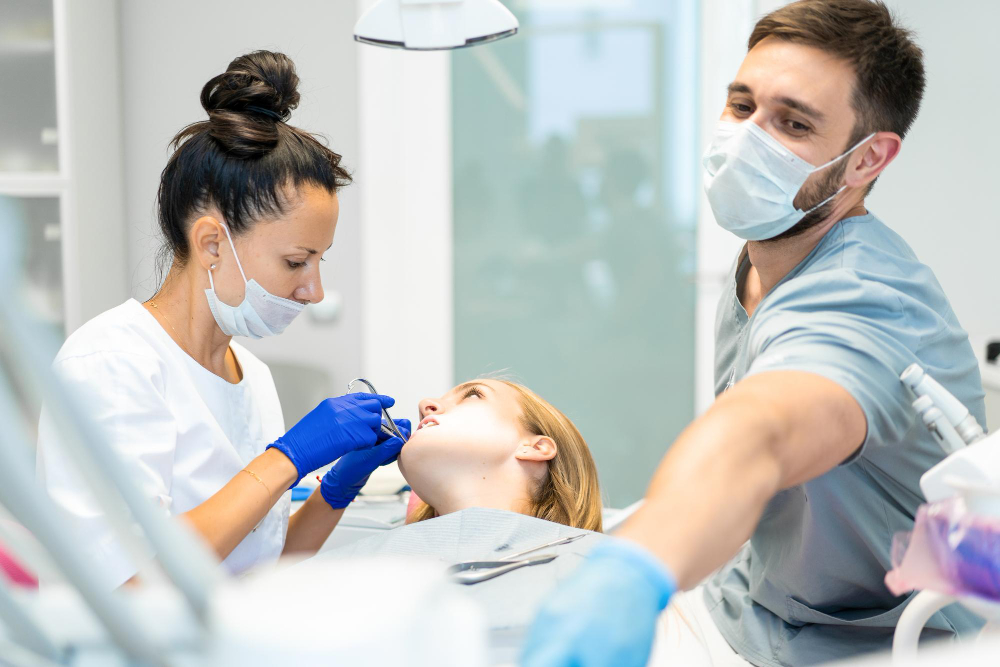
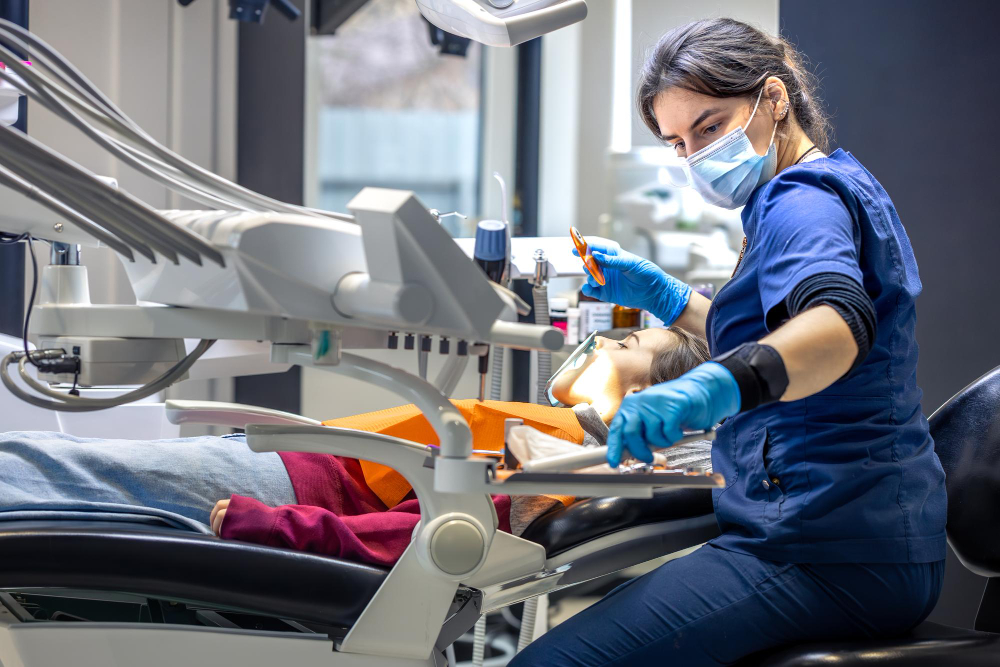
Many dental offices create a relaxing atmosphere with comfortable seating, calming décor, and friendly staff who understand patient concerns.
Treatment at Your Pace
Patients can request breaks during procedures or establish hand signals to communicate with the dental team whenever they feel uncomfortable.
Sedation Options
For patients with moderate to severe dental anxiety, sedation dentistry may help create a more relaxed and comfortable experience.
Tips for Managing Dental Anxiety
If you experience dental anxiety, consider these helpful strategies:
Schedule Morning Appointments
Early appointments prevent anxiety from building throughout the day.
Bring a Friend or Family Member
Having a trusted companion can provide reassurance and emotional support.
Practice Deep Breathing
Slow, controlled breathing can help reduce stress and promote relaxation during treatment.
Listen to Music
Many patients find that listening to calming music or podcasts helps distract them during dental procedures.
Communicate Your Concerns
Inform your dentist about any fears you have before treatment begins. A compassionate dental team can adjust their approach to make you feel more comfortable.
Focus on Long-Term Benefits
Remember that dental treatment protects your health, prevents future pain, and improves your smile.
The Role of Sedation Dentistry
Sedation dentistry offers additional support for patients who experience significant anxiety. Depending on individual needs and the type of procedure being performed, dentists may recommend options that help patients remain calm and relaxed throughout treatment.
Sedation can be beneficial for:
- Severe dental anxiety
- Lengthy dental procedures
- Sensitive gag reflexes
- Difficulty sitting still
- Multiple treatments in one visit
Your dentist can determine whether sedation is appropriate based on your health history and treatment requirements.
Building Positive Dental Experiences
Overcoming dental anxiety often takes time. Regular visits and positive experiences can gradually help patients become more comfortable with dental care. Choosing a dental practice that values communication, compassion, and patient comfort can make a significant difference in reducing fear and building confidence.
Conclusion
Dental anxiety is a common challenge, but it should never prevent you from receiving the dental care you need. Modern dentistry offers numerous solutions to help patients feel comfortable, informed, and supported throughout their appointments. By addressing fears openly and working with a compassionate dental team, individuals in Pekin can maintain healthy smiles while enjoying a more relaxed dental experience. Prioritizing regular dental visits today can help prevent more serious oral health issues and ensure a lifetime of confident smiles.