Missing teeth can affect much more than your appearance. They can impact your ability to eat, speak clearly, and feel confident in social situations. Fortunately, dental implants offer a long-lasting and natural-looking solution for restoring your smile. If you are considering dental implants in Peoria, understanding the procedure, benefits, and aftercare can help you make an informed decision.
What Are Dental Implants?
Dental implants are artificial tooth roots made from biocompatible titanium. They are surgically placed into the jawbone to support replacement teeth such as crowns, bridges, or dentures. Once the implant integrates with the bone, it creates a strong and stable foundation that functions much like a natural tooth.
Unlike removable dentures, dental implants are fixed in place and designed to last for many years with proper care.
Why Choose Dental Implants?
Dental implants are one of the most advanced restorative dental treatments available today. Patients in Peoria choose implants because they provide several important benefits:
Natural Appearance
Dental implants are custom-made to match the color, shape, and size of your natural teeth. This creates a seamless and attractive smile.
Improved Chewing Ability
Missing teeth can make eating difficult. Dental implants restore biting strength, allowing you to enjoy your favorite foods comfortably.
Long-Lasting Solution
With good oral hygiene and regular dental checkups, implants can last for decades, making them a worthwhile investment.
Bone Preservation
When a tooth is lost, the jawbone in that area can begin to shrink over time. Dental implants help stimulate the bone and prevent deterioration.
Enhanced Confidence
A complete smile can improve self-esteem and help you feel more comfortable in personal and professional interactions.
Who Is a Good Candidate for Dental Implants?
Most healthy adults with missing teeth may qualify for dental implants. Ideal candidates generally have:
- Healthy gums
- Adequate jawbone density
- Good overall oral health
- A commitment to oral hygiene
- No uncontrolled chronic conditions affecting healing
Even if you have experienced bone loss, procedures such as bone grafting may help prepare your mouth for successful implant placement.
The Dental Implant Process
Understanding the treatment process can make patients feel more comfortable about getting dental implants in Peoria.
Initial Consultation
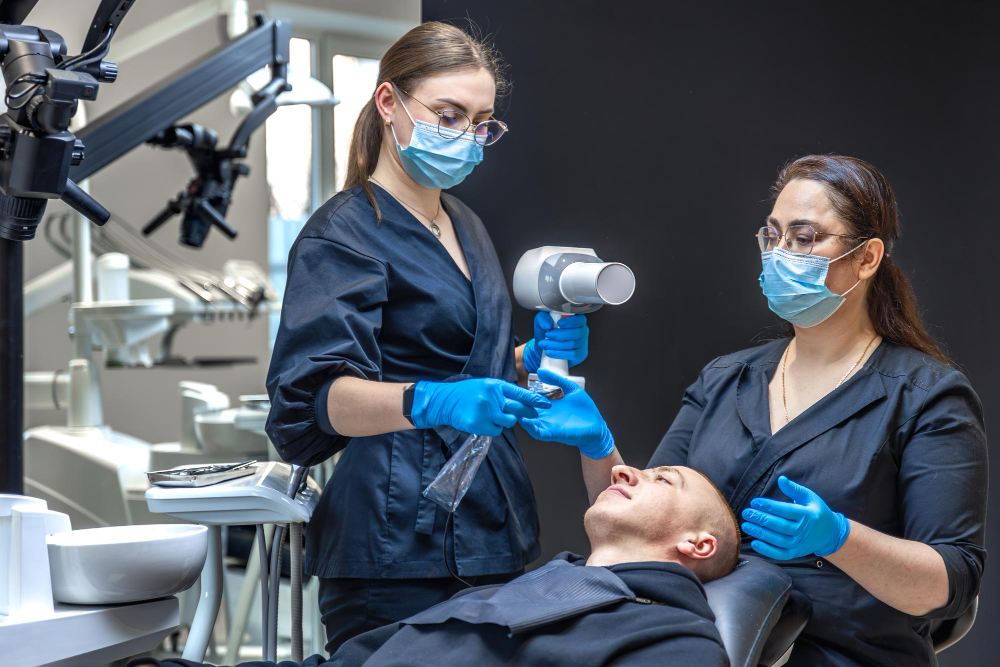
Your dentist will examine your teeth, gums, and jawbone using digital imaging and X-rays. A customized treatment plan will then be created.
Implant Placement
During the surgical procedure, the titanium implant is placed into the jawbone. Local anesthesia is typically used to ensure comfort.
Healing and Osseointegration
Over the next few months, the implant naturally fuses with the jawbone in a process called osseointegration. This creates a strong base for the replacement tooth.
Abutment Placement
Once healing is complete, a small connector called an abutment is attached to the implant.
Final Restoration
A custom-made crown, bridge, or denture is secured to the implant, restoring both appearance and function.
Types of Dental Implants
Different implant solutions are available depending on the number of missing teeth.
Single Tooth Implants
Perfect for replacing one missing tooth without affecting neighboring teeth.
Implant-Supported Bridges
Used when several teeth are missing in a row.
Full Mouth Dental Implants
Patients missing most or all teeth may benefit from implant-supported dentures or full-arch restorations.
Recovery After Dental Implant Surgery
Most patients experience only mild discomfort after implant placement. Common symptoms may include swelling, tenderness, or minor bleeding for a few days.
Recovery tips include:
- Eating soft foods
- Avoiding smoking
- Maintaining good oral hygiene
- Taking prescribed medications as directed
- Attending follow-up appointments
Most people can return to normal daily activities within a short period.
How to Care for Dental Implants
Dental implants require the same care as natural teeth. Proper maintenance helps ensure long-term success.
Daily Oral Hygiene
Brush twice daily and floss regularly to keep gums healthy.
Regular Dental Visits
Routine cleanings and exams help monitor the condition of your implants and surrounding tissues.
Avoid Harmful Habits
Avoid chewing ice, hard objects, or using tobacco products, as these can damage implants and gums.
Why Patients in Peoria Are Choosing Dental Implants
Many patients in Peoria prefer dental implants because they offer comfort, durability, and a natural appearance. Advances in dental technology have made implant procedures safer, more efficient, and more accessible than ever before.
Whether you are missing one tooth or several, dental implants can help restore oral health and improve your quality of life.
Conclusion
Dental implants are a reliable and effective solution for replacing missing teeth. They provide long-term stability, protect jawbone health, and restore confidence in your smile. If you are exploring options for dental implants in Peoria, consulting with an experienced dental professional is the first step toward achieving a healthier and more beautiful smile.