Emergency Dentist in Pekin: Fast, Reliable Care When You Need It Most
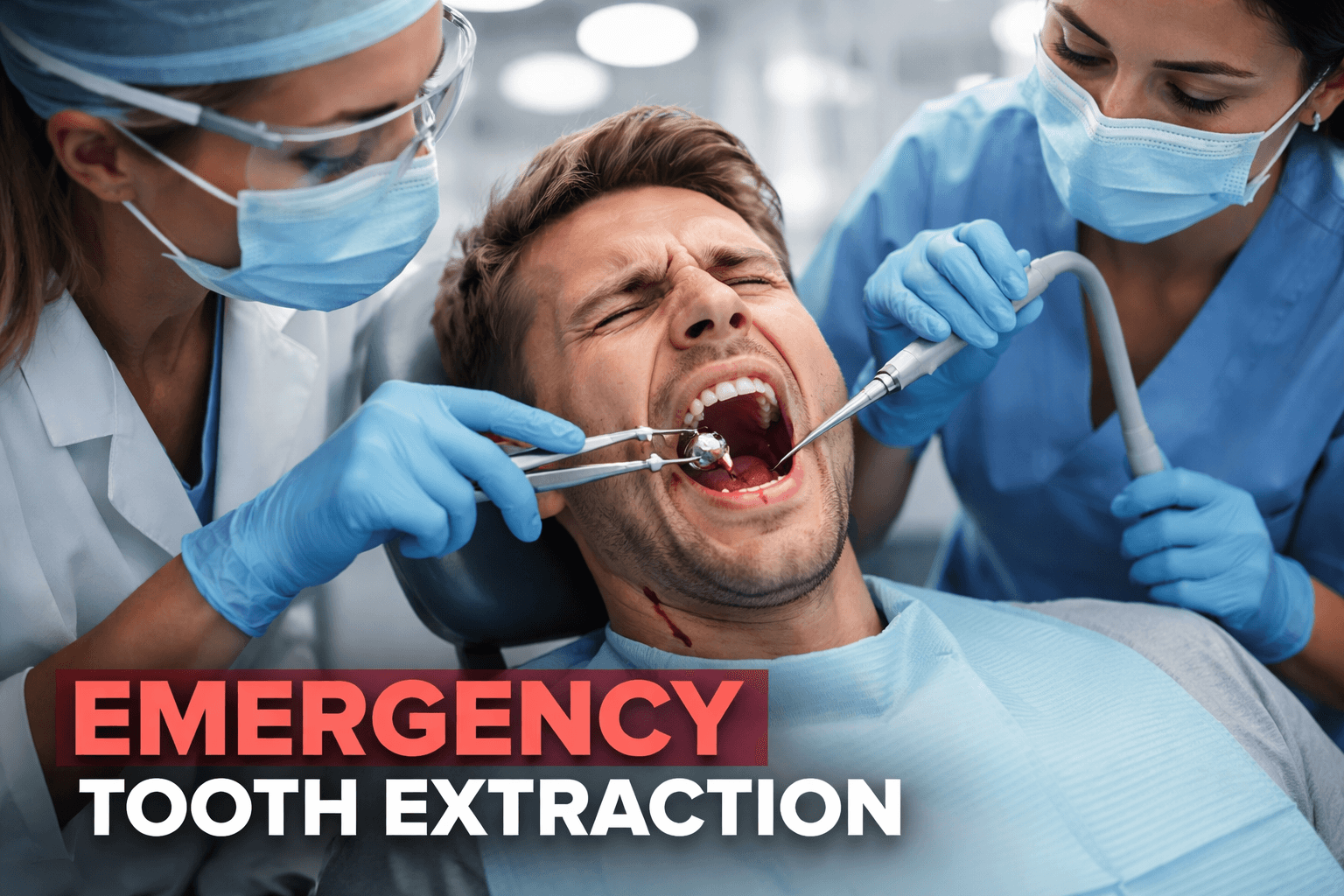
Dental emergencies can happen at any time, often without warning. Whether it’s a severe toothache, a broken tooth, a knocked-out tooth, or swelling caused by an infection, immediate treatment is essential to protect your oral health and prevent further complications. If you’re searching for an emergency dentist in Pekin, timely professional care can help relieve pain, restore your smile, and prevent long-term dental issues.
What Is Considered a Dental Emergency?
A dental emergency is any oral health problem that requires immediate attention to stop bleeding, relieve severe pain, save a tooth, or treat an infection. Common dental emergencies include:
- Severe toothaches
- Broken, chipped, or cracked teeth
- Knocked-out teeth
- Lost fillings or crowns
- Dental abscesses and infections
- Swollen gums or facial swelling
- Bleeding that does not stop
- Injuries to the lips, tongue, or cheeks
Seeking prompt treatment can make a significant difference in preserving your oral health and avoiding more extensive procedures later.
Common Dental Emergencies Treated in Pekin
Severe Tooth Pain
Persistent tooth pain can indicate tooth decay, infection, gum disease, or an abscess. Emergency dentists identify the cause of the pain and provide immediate relief through treatments such as fillings, root canals, or other restorative procedures.
Broken or Cracked Teeth
A cracked or broken tooth can expose sensitive inner layers, leading to pain and infection. Emergency dental care helps restore the tooth’s structure and function while protecting it from further damage.
Knocked-Out Tooth
If a tooth is knocked out, immediate treatment offers the best chance of saving it. Keeping the tooth moist and visiting an emergency dentist within an hour can significantly improve the chances of successful reimplantation.
Lost Fillings and Crowns
Missing fillings or crowns can leave teeth vulnerable to damage and sensitivity. Emergency dental treatment can replace or repair restorations quickly to protect the affected tooth.
Dental Abscesses
Dental abscesses are serious infections that can spread if left untreated. Symptoms may include severe pain, swelling, fever, and a bad taste in the mouth. Emergency care helps eliminate the infection and prevent complications.
Soft Tissue Injuries
Cuts or injuries to the gums, tongue, cheeks, or lips may require professional treatment to stop bleeding and promote proper healing.
Why Immediate Emergency Dental Care Matters
Ignoring a dental emergency can lead to worsening pain, infection, tooth loss, and more complex treatments in the future. Early intervention can:
- Relieve pain quickly
- Prevent infections from spreading
- Save damaged or knocked-out teeth
- Reduce treatment costs
- Protect overall oral health
Professional emergency dental care ensures that problems are addressed before they become more serious.
What to Do During a Dental Emergency
For a Toothache
Rinse your mouth with warm water and gently floss around the affected tooth. Avoid placing aspirin directly on the gums.
For a Knocked-Out Tooth
Handle the tooth by the crown, not the root. Rinse it gently and place it back into the socket if possible. Otherwise, store it in milk and seek emergency care immediately.
For a Broken Tooth
Rinse your mouth with warm water and apply a cold compress to reduce swelling.
For Swelling or Infection
Contact an emergency dentist as soon as possible. Swelling may indicate a serious infection that requires immediate treatment.
Emergency Dental Treatments Available
Depending on the nature of the emergency, treatments may include:
- Tooth-colored fillings
- Dental crowns
- Root canal therapy
- Tooth extractions
- Emergency infection treatment
- Dental bonding
- Temporary restorations
- Pain management solutions
These treatments are designed to restore oral health and help patients return to normal activities as quickly as possible.
Choosing the Right Emergency Dentist in Pekin
When selecting an emergency dentist, look for:
- Same-day emergency appointments
- Experienced dental professionals
- Modern dental technology
- Comprehensive treatment options
- Compassionate patient care
- Flexible scheduling
A trusted emergency dentist can provide fast and effective care when unexpected dental problems arise.
Preventing Future Dental Emergencies
While not all emergencies can be prevented, maintaining good oral hygiene and routine dental visits can reduce your risk. Helpful preventive measures include:
- Brushing twice daily
- Flossing regularly
- Wearing a mouthguard during sports
- Avoiding chewing hard objects
- Scheduling regular dental checkups
- Addressing dental issues early
Preventive care helps keep your teeth strong and healthy while reducing the likelihood of urgent dental problems.
Conclusion
Dental emergencies can be stressful and painful, but prompt treatment can make all the difference. Whether you’re dealing with a severe toothache, broken tooth, lost crown, or dental infection, an experienced emergency dentist in Pekin can provide the immediate care you need. Fast action helps relieve discomfort, preserve your smile, and protect your long-term oral health.