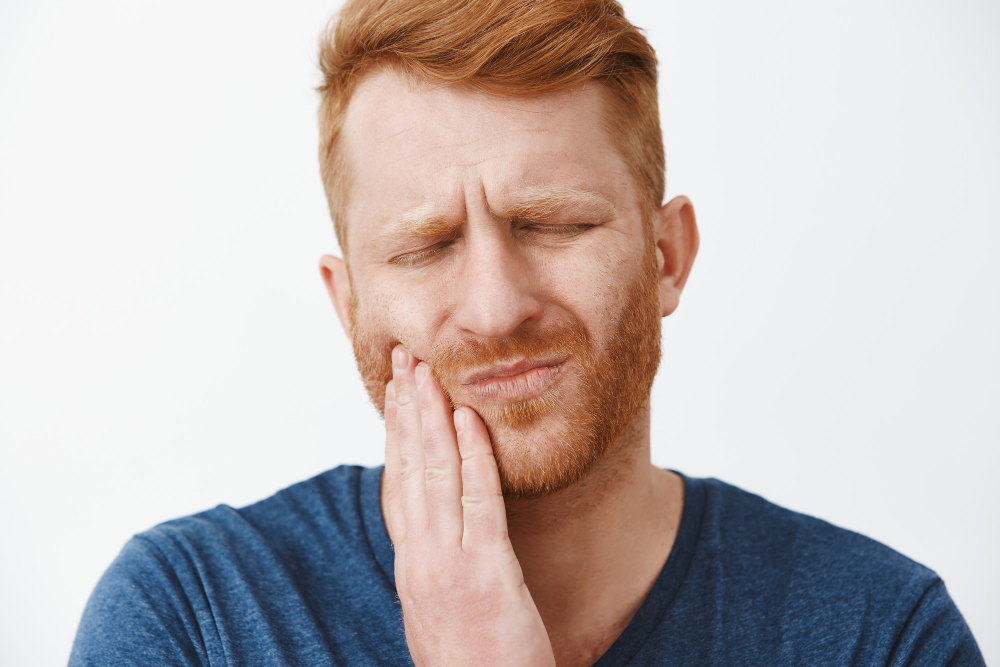
Dental emergencies can happen without warning. A sudden toothache, a broken tooth, a knocked-out tooth, or swelling in the mouth can cause severe discomfort and make daily activities difficult. In these situations, getting prompt dental care is essential to protect your oral health and relieve pain quickly.
If you are searching for an emergency dentist in Shelbyville, understanding what qualifies as a dental emergency and knowing when to seek immediate treatment can make a significant difference. Emergency dental care focuses on diagnosing and treating urgent dental problems to prevent further complications and restore your smile.
What Is Considered a Dental Emergency?
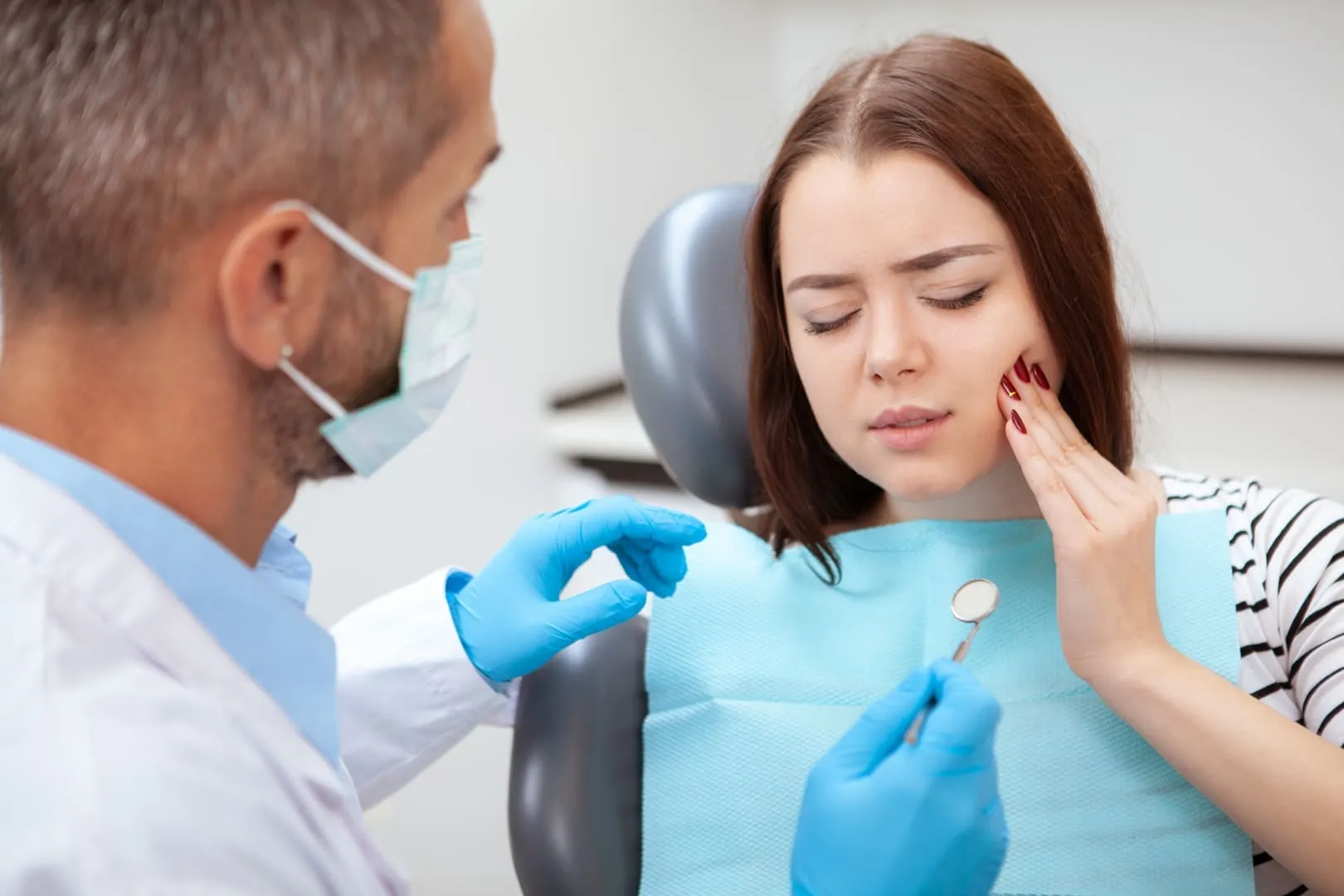
A dental emergency is any oral health issue that requires immediate attention to relieve pain, stop bleeding, save a tooth, or prevent an infection from spreading. Some problems can wait for a regular appointment, while others require urgent care.
Common dental emergencies include:
- Severe toothaches
- Broken or chipped teeth
- Knocked-out teeth
- Lost fillings or crowns
- Dental abscesses
- Swollen gums or jaw
- Bleeding after an injury
- Broken dentures
- Soft tissue injuries inside the mouth
If you experience intense pain or noticeable swelling, contacting an emergency dentist as soon as possible is highly recommended.
Common Causes of Dental Emergencies
Dental emergencies can occur for many reasons. Some of the most common causes include:
Accidents and Injuries
Sports injuries, falls, and vehicle accidents can cause broken, chipped, or knocked-out teeth. Wearing protective mouthguards during sports activities can help reduce the risk.
Untreated Tooth Decay
Cavities that are left untreated can progress and reach the inner layers of the tooth, causing severe pain and infection.
Cracked or Broken Teeth
Biting hard foods, grinding teeth, or trauma can cause teeth to crack or fracture, exposing sensitive nerves.
Gum Infections
Advanced gum disease and infections can cause swelling, bleeding, and discomfort that require immediate treatment.
Failed Dental Restorations
Old fillings, crowns, or bridges can become loose or fall out, leaving teeth vulnerable to damage and sensitivity.
Signs You Need Emergency Dental Care
Not every dental problem requires immediate treatment, but certain symptoms should never be ignored.
Seek emergency dental care if you experience:
- Persistent or severe tooth pain
- Facial swelling
- Bleeding that does not stop
- A knocked-out tooth
- A loose permanent tooth
- Signs of infection, such as fever or pus
- Difficulty swallowing or breathing
- Significant mouth injuries
Prompt treatment often helps save teeth and prevents more serious complications.
Emergency Toothache Treatment
Tooth pain is one of the most common reasons patients seek emergency dental care. A toothache may indicate:
- Tooth decay
- Infection
- Cracked teeth
- Gum disease
- Impacted wisdom teeth
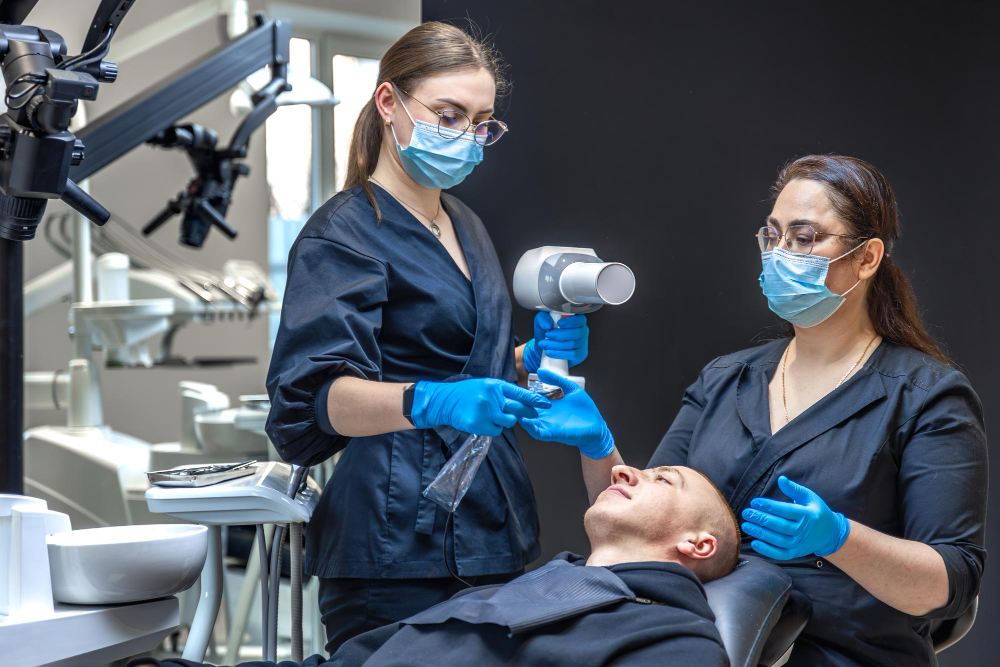
An emergency dentist will examine the affected area, take necessary X-rays, and determine the underlying cause of the pain. Treatment may include fillings, root canal therapy, antibiotics, or other procedures.
What to Do If a Tooth Gets Knocked Out
A knocked-out tooth requires immediate action. The sooner you receive treatment, the better the chance of saving the tooth.
Follow these steps:
- Pick up the tooth by the crown, not the root.
- Gently rinse it with water if dirty.
- Avoid scrubbing the tooth.
- Place the tooth back into the socket if possible.
- If not, keep it in milk or saliva.
- Visit an emergency dentist immediately.
Quick action can significantly improve the chances of successful reattachment.
Treatment for Broken or Chipped Teeth
A chipped or broken tooth may cause pain, sensitivity, and cosmetic concerns. Depending on the extent of the damage, treatment options may include:
- Dental bonding
- Tooth-colored fillings
- Dental crowns
- Veneers
- Root canal treatment
- Tooth extraction in severe cases
Early treatment helps prevent further damage and protects the remaining tooth structure.
Managing Dental Emergencies at Home
While waiting to see an emergency dentist, some temporary steps may help reduce discomfort:
- Rinse your mouth with warm salt water.
- Apply a cold compress to reduce swelling.
- Take over-the-counter pain relievers as directed.
- Avoid extremely hot or cold foods.
- Keep the affected area clean.
- Do not place aspirin directly on the gums.
These measures provide temporary relief but should not replace professional dental care.
Preventing Dental Emergencies
Although some emergencies are unavoidable, preventive care can reduce your risk.
Helpful tips include:
- Visit your dentist regularly.
- Wear a mouthguard during sports.
- Avoid chewing ice or hard objects.
- Practice good oral hygiene.
- Treat dental problems early.
- Avoid using teeth as tools.
Regular dental checkups help identify issues before they become emergencies.
Why Prompt Emergency Dental Care Matters
Ignoring dental emergencies can lead to:
- Increased pain
- Spread of infection
- Tooth loss
- Bone damage
- More expensive treatment
- Serious health complications
Seeking immediate treatment allows dentists to preserve your oral health and restore comfort as quickly as possible.
Compassionate Emergency Dental Care in Shelbyville
Dental emergencies can be stressful and painful, but timely treatment can make all the difference. Whether you are experiencing severe tooth pain, a broken tooth, swelling, or a dental injury, emergency dental services in Shelbyville provide prompt care to address urgent oral health needs.
If you experience a dental emergency, contacting a qualified dentist as soon as possible helps protect your smile, relieve pain, and prevent future complications.