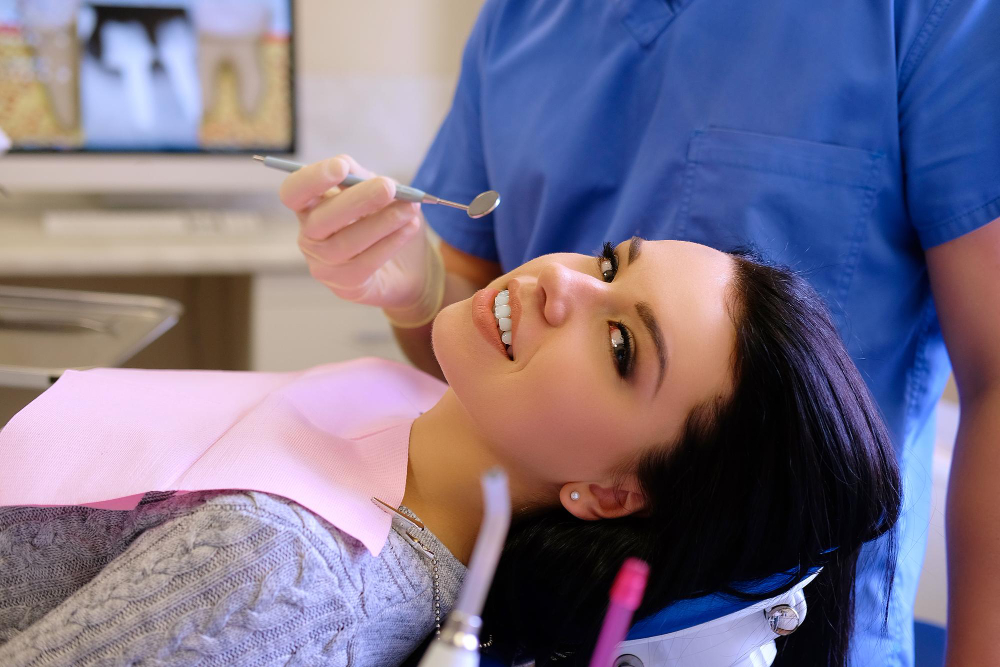
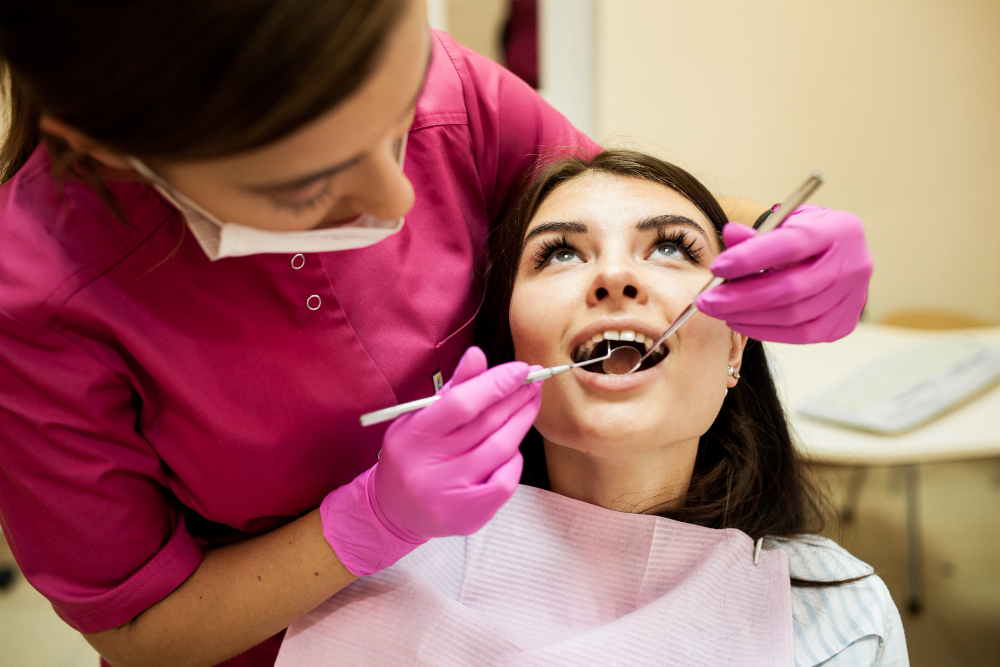
Good oral care is the foundation of a healthy smile and overall well-being. Whether you’re preventing cavities, protecting your gums, or maintaining fresh breath, developing good dental habits can help you avoid costly and uncomfortable dental problems. If you’re looking for reliable oral care in Champaign, understanding the importance of preventive dentistry and daily dental hygiene can make a significant difference in your oral health.
This guide covers everything you need to know about maintaining excellent oral health, the benefits of routine dental visits, and how professional dental care helps keep your smile healthy for years to come.
Why Oral Care Matters
Oral care goes beyond brushing your teeth every morning and night. Healthy teeth and gums contribute to your overall health by reducing the risk of infections, improving digestion through proper chewing, and enhancing your confidence with a bright, attractive smile.
Poor oral hygiene can lead to:
- Tooth decay
- Gum disease
- Persistent bad breath
- Tooth sensitivity
- Tooth loss
- Increased risk of certain systemic health conditions
Consistent oral care habits combined with regular dental checkups help prevent these issues before they become serious.
Essential Daily Oral Care Routine
Maintaining healthy teeth starts at home with a simple but effective routine.
Brush Twice Daily
Brush your teeth for at least two minutes using a soft-bristled toothbrush and fluoride toothpaste. Proper brushing removes plaque, bacteria, and food particles that contribute to cavities and gum disease.
Floss Every Day
Flossing reaches the tight spaces between teeth where toothbrush bristles cannot reach. Daily flossing helps remove plaque buildup and reduces the risk of gum inflammation.
Use Mouthwash
An antibacterial mouthwash helps reduce harmful bacteria, freshens breath, and provides additional protection against plaque.
Clean Your Tongue
Bacteria can accumulate on the tongue, causing bad breath. Cleaning your tongue daily improves overall oral hygiene.
Stay Hydrated
Drinking water throughout the day helps wash away food debris and supports healthy saliva production, which naturally protects your teeth.
Importance of Preventive Dental Care
Professional preventive care plays a vital role in maintaining healthy teeth and gums. Even with excellent home care, plaque and tartar can build up in hard-to-reach areas.
Routine preventive services include:
- Professional teeth cleanings
- Comprehensive dental exams
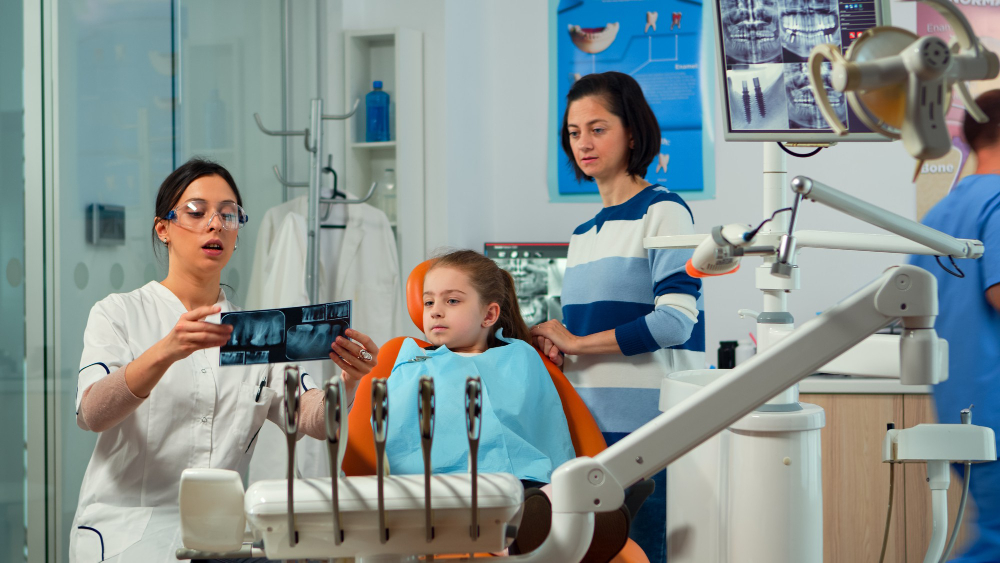
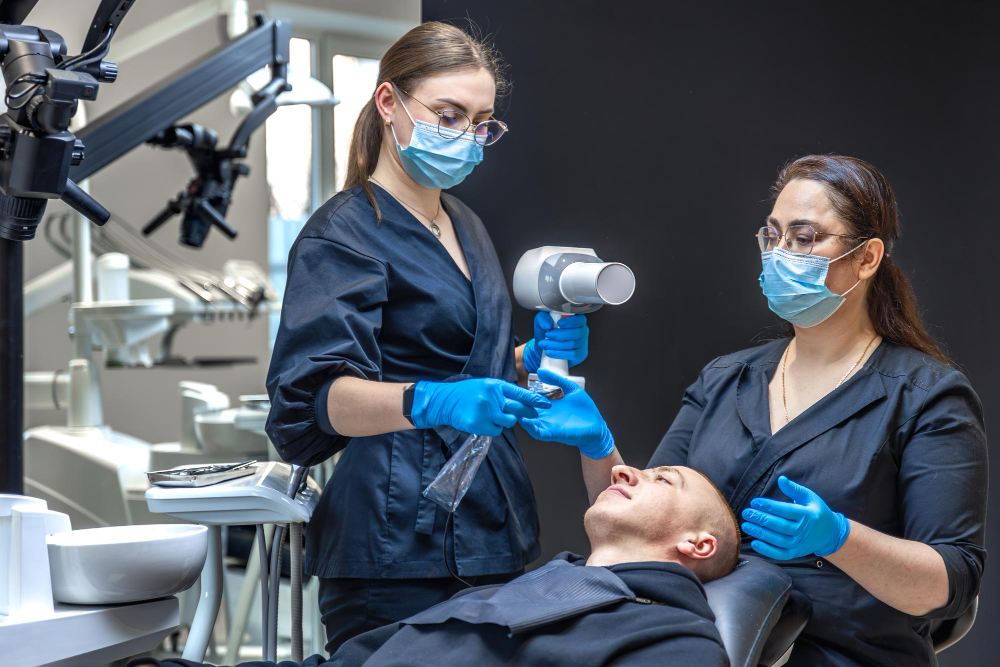
- Digital X-rays
- Oral cancer screenings
- Fluoride treatments
- Dental sealants for children and teenagers
These services allow dentists to identify small problems early before they require extensive treatment.
Professional Teeth Cleanings
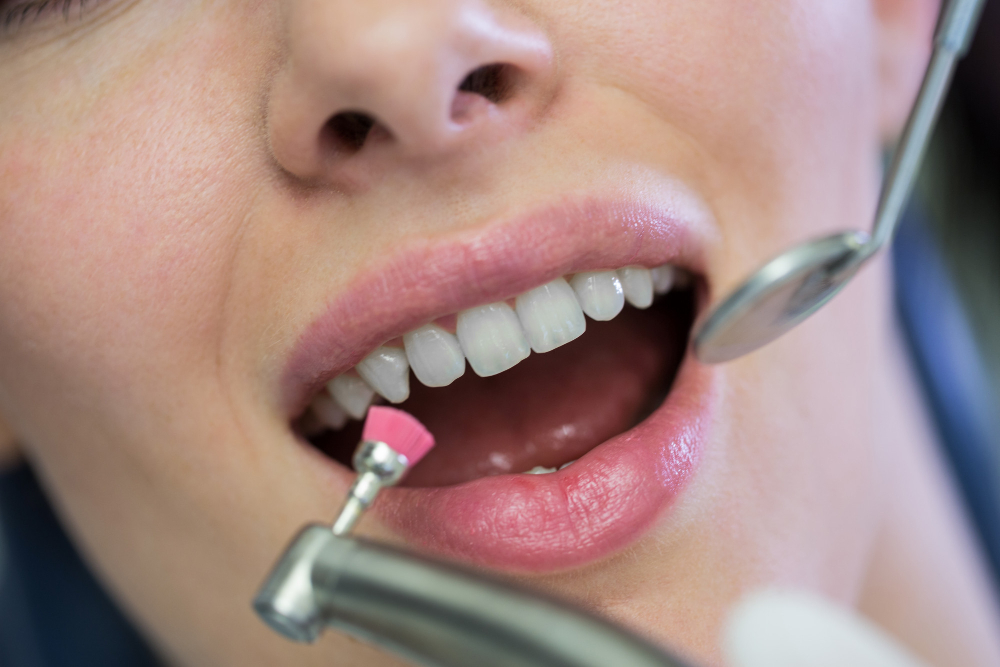
Professional dental cleanings remove hardened tartar that cannot be removed through brushing or flossing alone.
Benefits include:
- Cleaner teeth
- Fresher breath
- Reduced risk of cavities
- Healthier gums
- Removal of surface stains
- Lower risk of gum disease
Most patients benefit from cleanings every six months, although some individuals with gum disease may require more frequent visits.
Protecting Your Gums
Healthy gums are just as important as healthy teeth. Gum disease often begins with mild inflammation known as gingivitis.
Signs of unhealthy gums include:
- Redness
- Swelling
- Bleeding while brushing
- Gum tenderness
- Persistent bad breath
Early treatment prevents gum disease from progressing into periodontitis, which can lead to tooth loss.
Nutrition and Oral Health
Your diet significantly affects your dental health.
Choose foods such as:
- Fresh fruits
- Vegetables
- Dairy products
- Lean proteins
- Whole grains
- Nuts
Limit:
- Sugary drinks
- Sticky candies
- Frequent snacking
- Acidic beverages
- Processed foods high in sugar
Calcium, vitamin D, and phosphorus help strengthen teeth and support healthy bone structure.
Preventing Tooth Decay
Tooth decay develops when bacteria produce acids that damage tooth enamel.
Prevention strategies include:
- Brushing regularly
- Flossing daily
- Limiting sugary snacks
- Using fluoride toothpaste
- Drinking fluoridated water
- Visiting your dentist every six months
Early cavities are easier and less expensive to treat than advanced decay.
Oral Care for Children
Healthy habits should begin early. Parents should encourage children to brush and floss daily while scheduling regular pediatric dental visits.
Children benefit from:
- Preventive cleanings
- Fluoride applications
- Dental sealants
- Early orthodontic evaluations
- Education on proper brushing techniques
Early preventive care builds lifelong healthy habits.
Oral Care for Seniors
As we age, oral health needs change. Seniors may experience dry mouth, worn teeth, gum recession, or missing teeth.
Regular dental visits help manage:
- Tooth wear
- Root cavities
- Denture care
- Gum disease
- Oral cancer screenings
- Dry mouth treatment
Proper oral care improves comfort, nutrition, and overall quality of life.
Common Dental Problems That Can Be Prevented
Routine oral care significantly lowers the risk of:
Cavities
Daily brushing and fluoride strengthen enamel and reduce decay.
Gum Disease
Professional cleanings and home care help keep gums healthy.
Tooth Sensitivity
Using desensitizing toothpaste and treating worn enamel can minimize discomfort.
Bad Breath
Proper brushing, flossing, tongue cleaning, and routine dental care help eliminate odor-causing bacteria.
Tooth Loss
Preventive care reduces the likelihood of advanced decay and severe gum disease.
The Role of Fluoride
Fluoride strengthens tooth enamel, making it more resistant to acid attacks from bacteria.
Fluoride benefits include:
- Stronger enamel
- Reduced cavity risk
- Remineralization of early tooth decay
- Better protection for children and adults
Dentists may recommend professional fluoride treatments for patients with a higher risk of cavities.
Tips for Maintaining Long-Term Oral Health
To keep your smile healthy for years:
- Brush twice every day.
- Floss daily.
- Visit your dentist every six months.
- Eat a balanced diet.
- Limit sugary foods and drinks.
- Avoid tobacco products.
- Wear a mouthguard during sports.
- Replace your toothbrush every three to four months.
- Drink plenty of water.
- Address dental concerns promptly.
Why Choose Professional Oral Care in Champaign?
Choosing a trusted dental practice ensures personalized care tailored to your unique needs. Experienced dental professionals provide comprehensive preventive services, early diagnosis, patient education, and modern treatment options that help you maintain optimal oral health.
Whether you need a routine cleaning, preventive treatment, or advice on improving your oral hygiene, regular dental visits are one of the best investments you can make in your long-term health.
Conclusion
Maintaining excellent oral care in Champaign involves a combination of healthy daily habits and regular professional dental visits. Brushing, flossing, eating a nutritious diet, and scheduling routine checkups can prevent many common dental problems before they become serious. A healthy smile not only improves your appearance but also supports your overall health and confidence. By making oral care a priority, you can enjoy stronger teeth, healthier gums, and lasting oral wellness for years to come.