Preventive Care in Peoria: A Complete Guide to Staying Healthy

Preventive care is the foundation of long-term health and well-being. Instead of waiting for symptoms to appear, preventive healthcare focuses on early detection, routine check-ups, and lifestyle management to reduce the risk of serious illnesses. In Peoria, individuals and families have access to a wide range of preventive services designed to help them live healthier, longer lives.
What is Preventive Care?
Preventive care includes medical services, screenings, and habits that help detect or prevent diseases before they become severe. It focuses on maintaining health rather than treating illness. This approach not only improves quality of life but also reduces healthcare costs over time.
Importance of Preventive Care
Preventive care plays a crucial role in identifying health risks early. Conditions such as diabetes, heart disease, and certain cancers can develop silently. Regular screenings and check-ups help catch these issues at an early stage when they are easier to manage or treat.
Key benefits include:
- Early detection of diseases
- Reduced risk of complications
- Lower healthcare expenses
- Improved life expectancy
- Better overall quality of life
Common Preventive Care Services in Peoria
Residents in Peoria can access a variety of preventive healthcare services tailored to different age groups and health needs.
1. Routine Health Check-ups
Regular visits to healthcare providers help monitor vital signs, weight, and overall health. These visits also provide an opportunity to discuss any concerns and receive guidance on maintaining a healthy lifestyle.
2. Screenings and Diagnostic Tests
Preventive screenings are essential for early detection. Common screenings include:
- Blood pressure checks
- Cholesterol tests
- Blood sugar testing
- Cancer screenings (such as breast, cervical, and colorectal)
3. Vaccinations and Immunizations
Vaccines protect against serious diseases such as influenza, hepatitis, and pneumonia. Staying up to date with immunizations is a key part of preventive care for both children and adults.
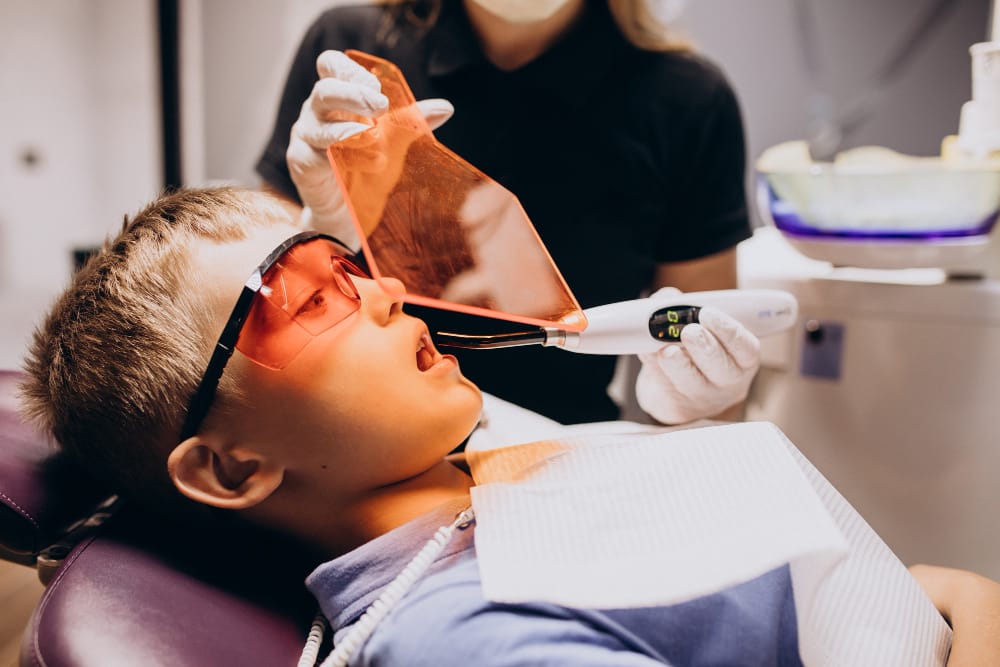
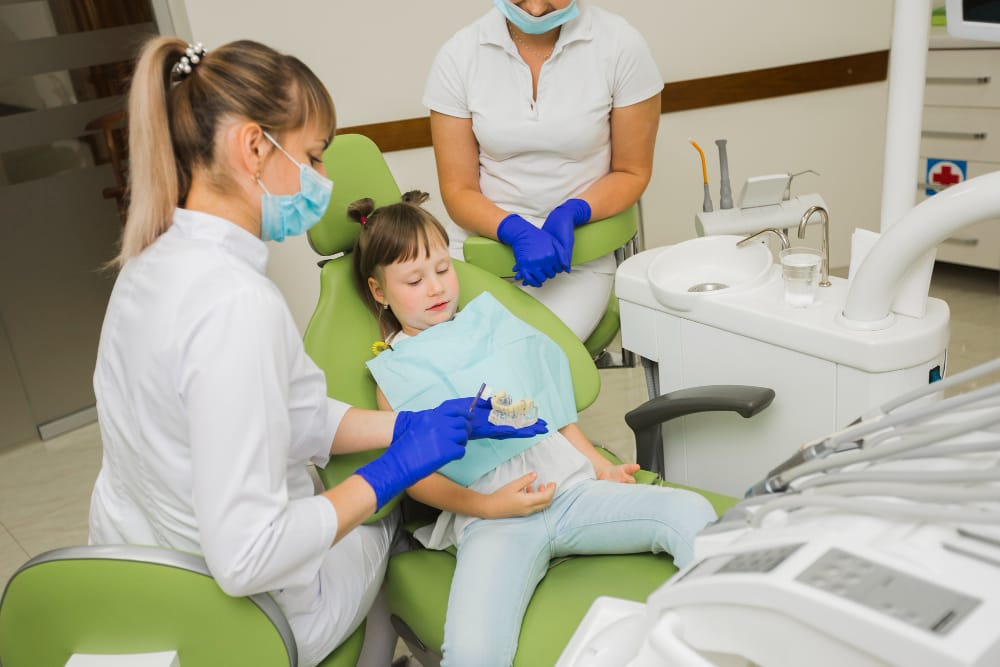
4. Dental Preventive Care
Oral health is closely linked to overall health. Preventive dental care includes routine cleanings, exams, and fluoride treatments to prevent cavities and gum disease.
5. Lifestyle Counseling
Healthcare providers in Peoria often offer guidance on:
- Nutrition and diet
- Physical activity
- Stress management
- Smoking cessation
Preventive Care for Different Age Groups
Children and Adolescents
Preventive care for younger individuals focuses on vaccinations, growth monitoring, and early detection of developmental issues. Regular pediatric visits ensure healthy development.
Adults
For adults, preventive care includes screenings for chronic conditions, reproductive health services, and mental health evaluations. Lifestyle management becomes increasingly important during this stage.
Seniors
Older adults benefit from preventive care through screenings for age-related conditions, bone density tests, and regular monitoring of chronic diseases. Preventive care helps maintain independence and quality of life.
How to Make Preventive Care a Priority
Adopting preventive care doesn’t have to be complicated. Simple steps can make a big difference:
- Schedule annual health check-ups
- Follow recommended screening guidelines
- Maintain a balanced diet
- Exercise regularly
- Avoid tobacco and limit alcohol consumption
- Stay informed about your health
Choosing the Right Healthcare Provider in Peoria
Selecting a reliable healthcare provider is essential for effective preventive care. Look for professionals who offer comprehensive services, emphasize patient education, and provide personalized care plans. Building a long-term relationship with your provider helps ensure consistent monitoring and timely interventions.
Book Appointment
Recent Posts