A bright, white smile is often associated with confidence, good health, and a positive first impression. Over time, however, teeth can become stained or discolored due to lifestyle habits, aging, and certain foods or beverages. If you’re considering tooth whitening in Shelbyville, this guide will walk you through everything you need to know—from causes of discoloration to treatment options and aftercare tips.
What Causes Tooth Discoloration?
Tooth discoloration can happen for several reasons, and understanding the cause helps determine the best whitening method.
1. Food and Drinks
Coffee, tea, red wine, and dark-colored foods like berries can stain your teeth over time.
2. Tobacco Use
Smoking or chewing tobacco leads to stubborn yellow or brown stains.
3. Aging
As you age, the enamel wears down, exposing the yellowish dentin underneath.
4. Poor Oral Hygiene
Inadequate brushing and flossing allow plaque and stains to build up.
5. Medications
Certain antibiotics and treatments can cause intrinsic staining.
Types of Tooth Whitening Treatments
There are several whitening options available in Shelbyville, each with its own benefits.
1. Professional In-Office Whitening
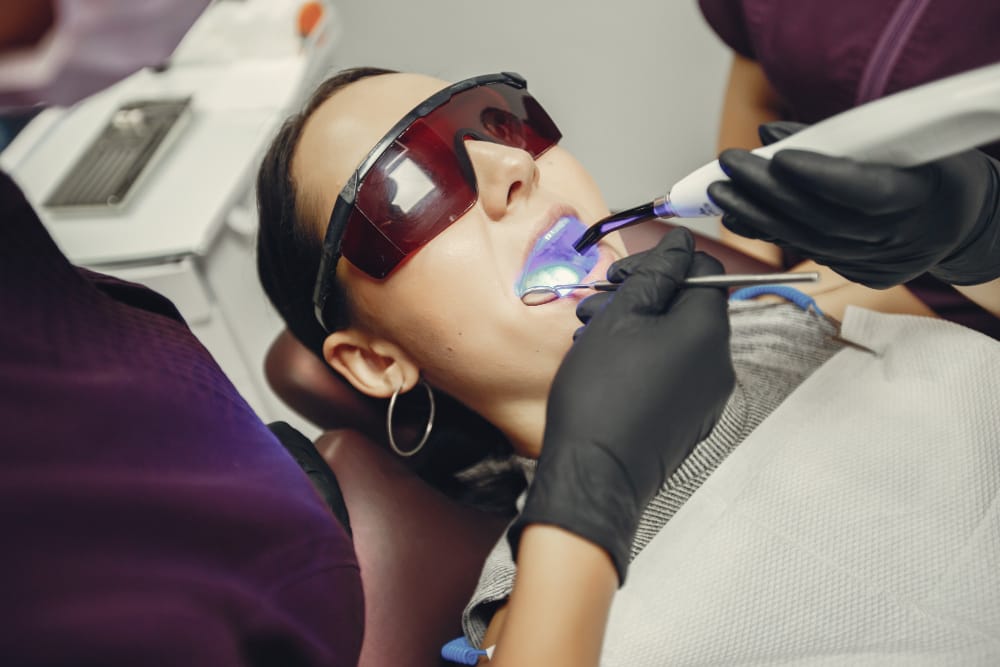
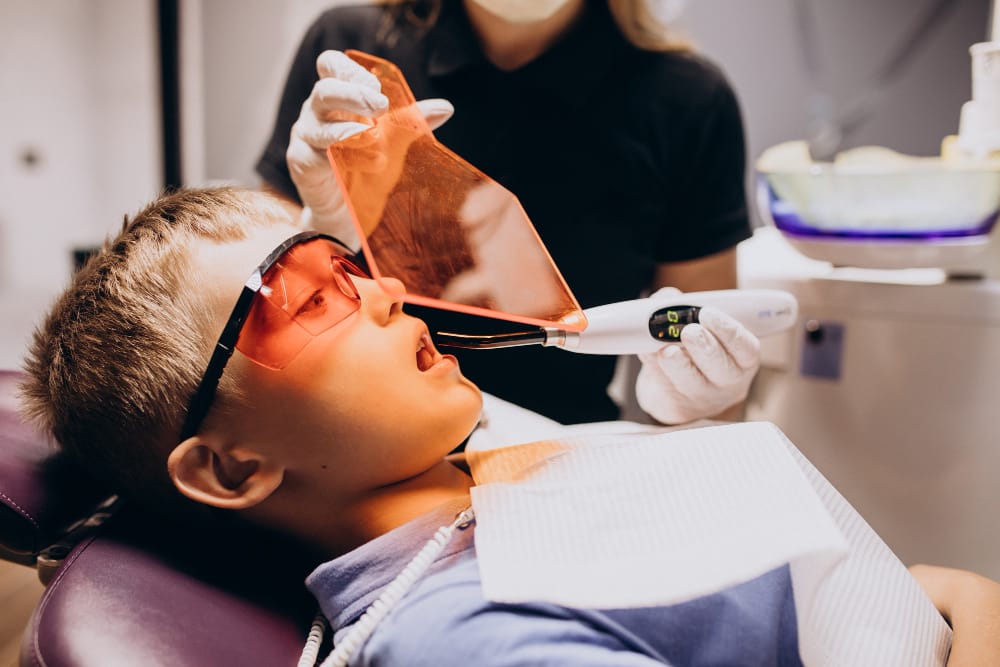
This is the fastest and most effective method. Dentists use high-concentration whitening agents combined with special lights or lasers to achieve noticeable results in just one session.
Benefits:
- Immediate results
- Safe and supervised
- Ideal for deep stains
2. Take-Home Whitening Kits
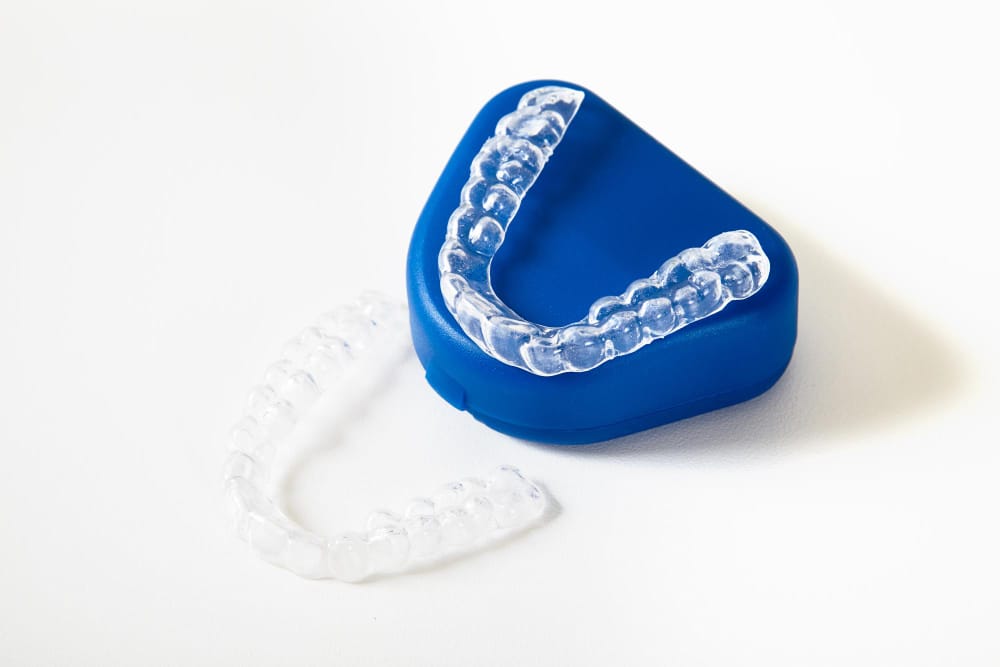
Dentists may provide custom trays and professional-grade whitening gel for use at home.
Benefits:
- More affordable than in-office treatment
- Gradual whitening over 1–2 weeks
- Custom-fit trays ensure even application
3. Over-the-Counter Products
Whitening strips, gels, and toothpaste are widely available.
Benefits:
- Convenient and budget-friendly
- Suitable for mild stains
Limitations:
- Slower results
- Less effective on deep stains
Who is a Good Candidate for Tooth Whitening?
Tooth whitening works best for individuals with healthy teeth and gums. You may be a good candidate if you have:
- Yellow-toned stains (respond better than gray stains)
- No untreated cavities or gum disease
- Realistic expectations about results
If you have crowns, veneers, or fillings, keep in mind that these materials do not respond to whitening treatments.
How Long Do Results Last?
The longevity of tooth whitening results depends on your lifestyle habits. Typically, results can last from several months to a few years.
To maintain your results:
- Avoid staining foods and drinks
- Quit smoking
- Brush and floss regularly
- Schedule regular dental cleanings
Are There Any Side Effects?
Tooth whitening is generally safe, but some people may experience:
- Temporary tooth sensitivity
- Mild gum irritation
These side effects usually subside within a few days. Using desensitizing toothpaste can help manage sensitivity.
Tips for Maintaining a Whiter Smile
- Drink through a straw to reduce contact with staining liquids
- Rinse your mouth after consuming dark foods or drinks
- Use whitening toothpaste once or twice a week
- Follow your dentist’s recommendations for touch-up treatments