Wisdom teeth are the last set of molars that typically emerge between the ages of 17 and 25. While some people experience no issues when their wisdom teeth come in, many individuals face problems such as pain, crowding, infection, and impacted teeth. If you are experiencing discomfort or have been advised by your dentist to remove your wisdom teeth, understanding the procedure can help you feel more confident about your treatment. For residents seeking wisdom teeth extraction in Shelbyville, professional dental care can ensure a safe and comfortable experience.
What Are Wisdom Teeth?
Wisdom teeth are the third molars located at the back corners of your upper and lower jaws. Historically, these teeth helped our ancestors chew tough foods. However, modern diets and smaller jaw sizes often leave little room for wisdom teeth to erupt properly, leading to various dental complications.
Why Wisdom Teeth May Need to Be Removed
Not everyone requires wisdom teeth extraction, but removal is often recommended when these teeth cause or are likely to cause oral health issues. Common reasons for extraction include:
- Impacted wisdom teeth trapped beneath the gums
- Pain and discomfort in the back of the mouth
- Swollen or infected gums
- Tooth crowding and shifting of nearby teeth
- Damage to adjacent teeth
- Development of cysts or jawbone damage
- Difficulty cleaning partially erupted wisdom teeth
Early evaluation allows dentists to identify potential problems before they become more serious.
Signs You May Need Wisdom Teeth Extraction
Several symptoms may indicate that your wisdom teeth need professional attention:
Persistent Jaw Pain
Pain in the back of the jaw or mouth is one of the most common signs of impacted or problematic wisdom teeth.
Swollen or Tender Gums
Wisdom teeth can irritate surrounding gum tissue, leading to inflammation, redness, and tenderness.
Difficulty Opening Your Mouth
Infections or impacted teeth may cause stiffness and discomfort when opening or closing the mouth.
Frequent Infections
Partially erupted wisdom teeth can create pockets where bacteria accumulate, increasing the risk of infection.
Headaches and Ear Pain
Pressure from impacted wisdom teeth may sometimes contribute to headaches or discomfort around the ears and jaw.
The Wisdom Teeth Extraction Process
Understanding the procedure can help reduce anxiety and prepare you for treatment.
Initial Examination
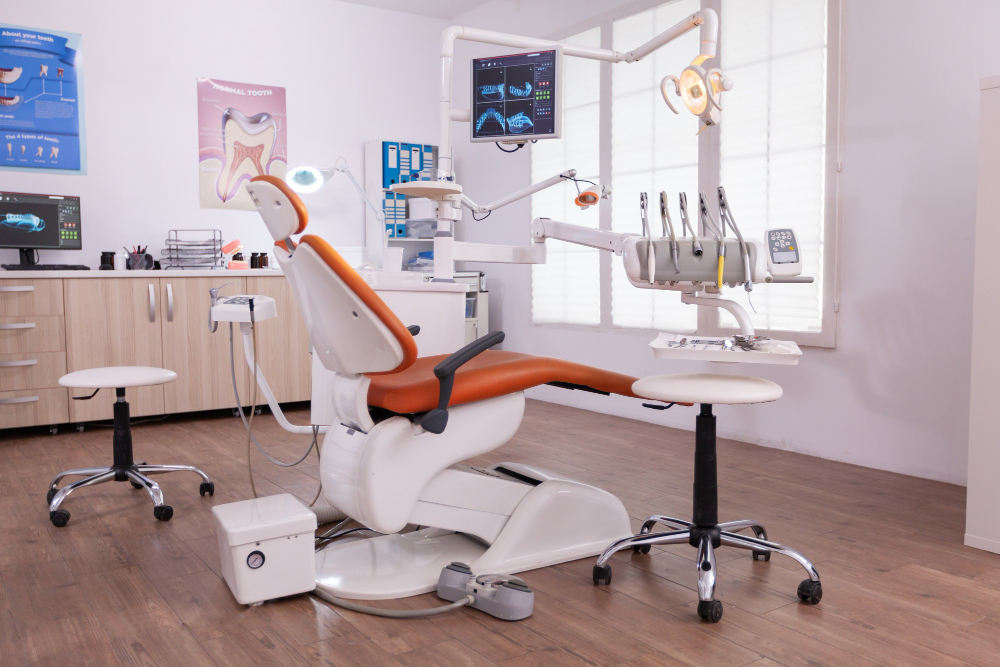
Your dentist will perform a comprehensive oral examination and take digital X-rays to evaluate the position of your wisdom teeth and determine the best treatment approach.
Sedation and Anesthesia
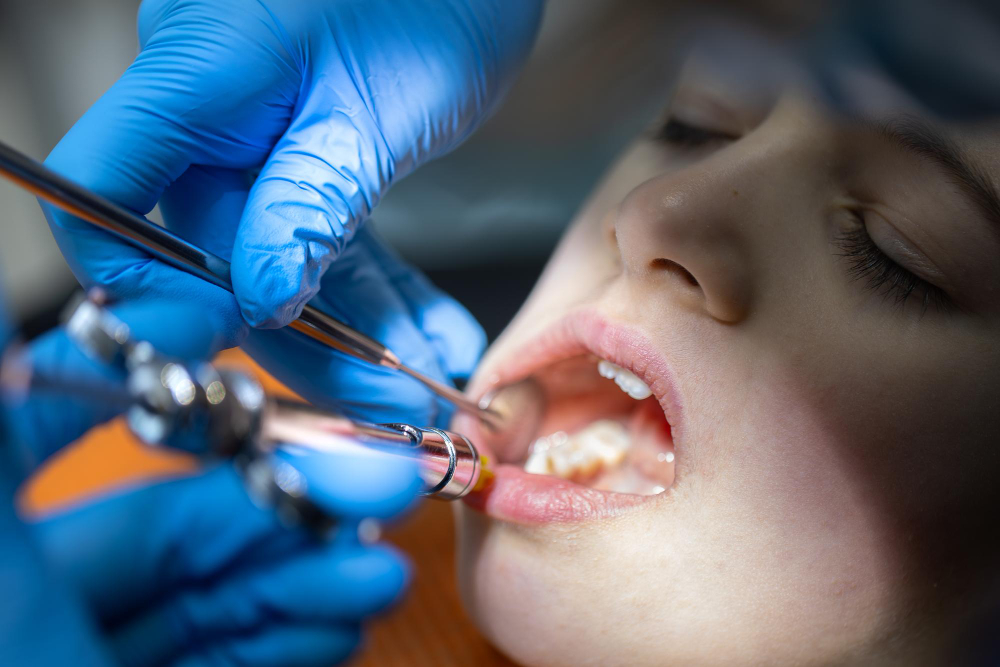
Depending on the complexity of the extraction and your comfort level, local anesthesia, sedation dentistry, or general anesthesia may be recommended.
Tooth Removal
The dentist or oral surgeon carefully removes the wisdom teeth. Impacted teeth may require small incisions in the gum and sectioning of the tooth for easier removal.
Recovery and Aftercare
After the procedure, detailed instructions are provided to help ensure proper healing and minimize discomfort.
Benefits of Wisdom Teeth Extraction
Removing problematic wisdom teeth can offer several long-term benefits:
- Relief from pain and discomfort
- Reduced risk of infection
- Prevention of crowding and alignment issues
- Protection of neighboring teeth
- Improved oral hygiene
- Lower risk of future dental complications
Recovery After Wisdom Teeth Removal
Most patients recover within a few days to a week following the procedure. To promote healing:
- Rest for the first 24 hours
- Use ice packs to reduce swelling
- Take prescribed medications as directed
- Eat soft foods such as yogurt, soup, and mashed potatoes
- Avoid smoking and using straws
- Maintain gentle oral hygiene practices
Following your dentist’s instructions can help prevent complications such as dry socket and infection.
Why Choose Professional Wisdom Teeth Extraction in Shelbyville?
Choosing an experienced dental team ensures accurate diagnosis, advanced technology, and personalized care throughout the treatment process. Modern dental practices focus on patient comfort, safety, and efficient recovery. Whether your wisdom teeth are impacted or causing discomfort, timely treatment can protect your oral health and prevent more extensive problems in the future.
Schedule Your Wisdom Teeth Consultation
If you are experiencing wisdom tooth pain, swelling, or other symptoms, scheduling a consultation is the first step toward relief. Early evaluation allows your dentist to determine whether extraction is necessary and create a treatment plan tailored to your needs. Wisdom teeth extraction can help preserve your oral health and restore comfort, allowing you to enjoy a healthier smile for years to come.