Tooth pain can make even simple daily activities difficult. Whether it is sensitivity to hot and cold foods, swelling around the gums, or severe toothache, these symptoms may indicate an infection deep inside the tooth. In many cases, root canal treatment is the most effective way to save the natural tooth and restore oral health. If you are looking for reliable root canal treatment in Champaign, understanding the procedure, benefits, and recovery process can help you feel more confident about your dental care.
What Is Root Canal Treatment?
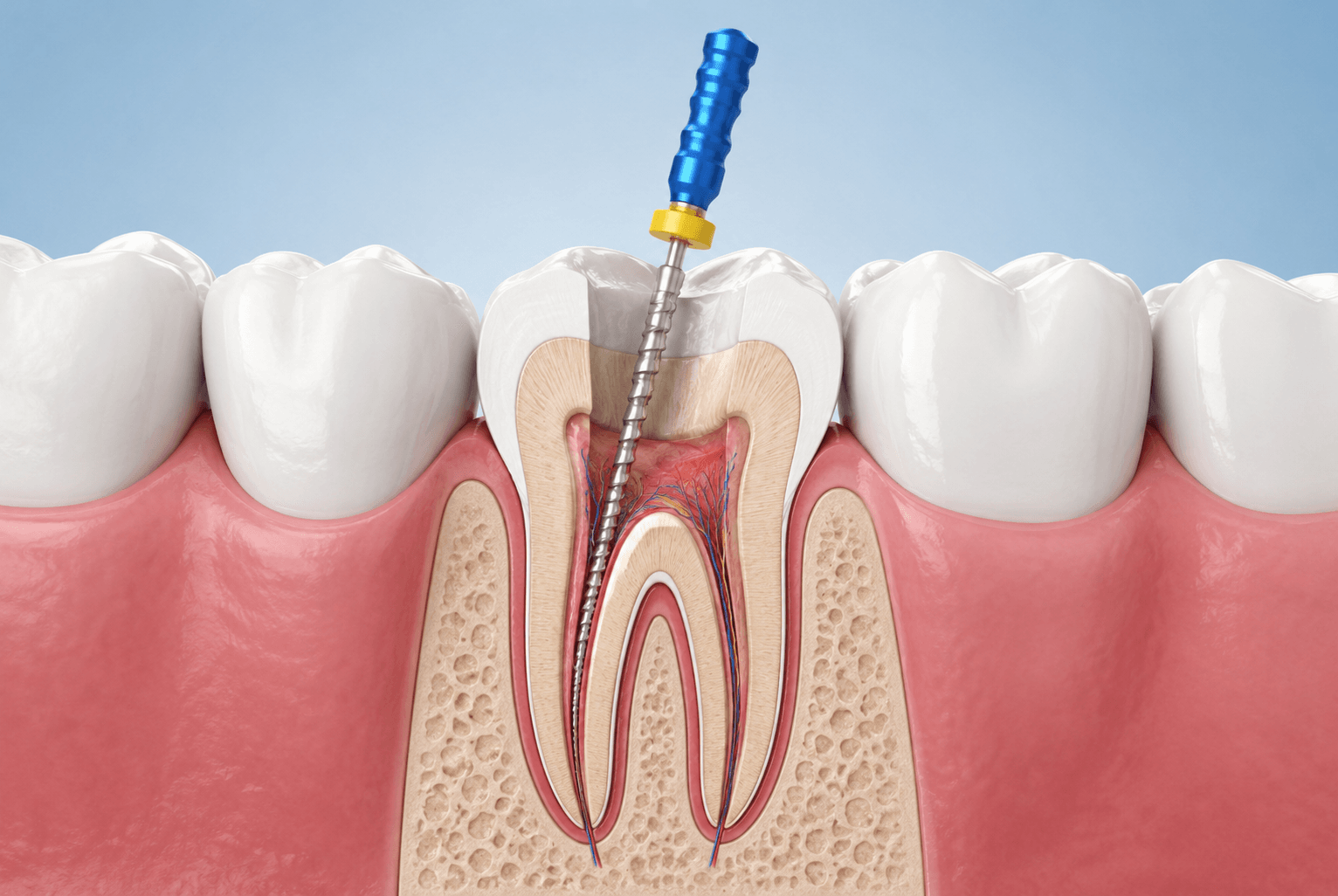
Root canal treatment is a dental procedure designed to remove infected or damaged pulp from inside a tooth. The pulp contains nerves, blood vessels, and connective tissue. When bacteria enter the pulp because of deep decay, cracks, trauma, or repeated dental procedures, infection can develop and cause significant pain.
During the procedure, the dentist carefully removes the infected tissue, cleans and disinfects the inside of the tooth, and seals it to prevent further infection. In most cases, a dental crown is placed afterward to strengthen and protect the tooth.
Signs You May Need a Root Canal
Many dental problems can cause discomfort, but certain symptoms often point toward the need for root canal therapy. Common warning signs include:
- Persistent tooth pain
- Sensitivity to hot or cold temperatures
- Swollen or tender gums
- Tooth discoloration
- Pain when chewing or biting
- A pimple-like bump on the gums
- Deep decay or damage to a tooth
Ignoring these symptoms can allow the infection to spread, potentially leading to tooth loss or more serious oral health issues.
Causes of Tooth Pulp Infection
Several dental conditions can damage the inner portion of a tooth and require root canal treatment. Some of the most common causes include:
Deep Tooth Decay
Untreated cavities can spread through the enamel and dentin until bacteria reach the pulp.
Cracked or Chipped Teeth
Even small cracks can allow bacteria to enter the tooth and cause infection.
Dental Trauma
An injury to the mouth can damage the pulp, even if the tooth appears normal on the outside.
Repeated Dental Procedures
Multiple treatments on the same tooth may weaken the tooth structure and irritate the pulp.
Gum Disease
Advanced periodontal disease can sometimes affect the roots and supporting structures of the teeth.
The Root Canal Procedure
Many patients are nervous about root canals because of outdated misconceptions. Modern dental techniques and anesthesia make the procedure comfortable and highly effective.
Examination and Diagnosis
The dentist begins with a detailed examination and digital X-rays to evaluate the tooth and surrounding structures.
Local Anesthesia
The area around the tooth is numbed to ensure a comfortable experience during treatment.
Removal of Infected Pulp
A small opening is made in the tooth, and specialized instruments are used to remove infected tissue from the root canals.
Cleaning and Shaping
The canals are thoroughly cleaned, disinfected, and shaped for filling.
Sealing the Tooth
The cleaned canals are filled with a biocompatible material and sealed to prevent reinfection.
Final Restoration
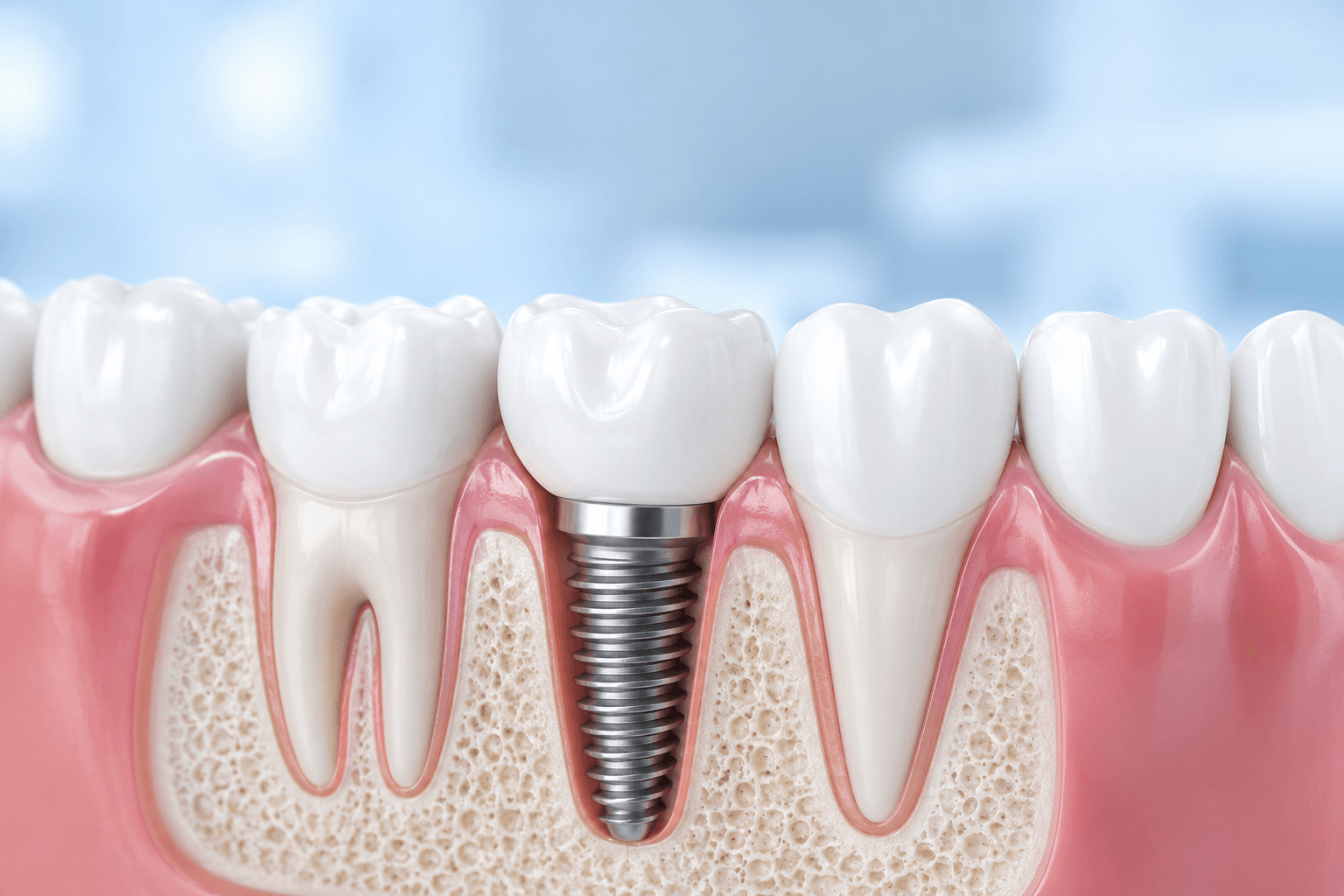
A crown or filling is placed to restore strength, function, and appearance.
Benefits of Root Canal Treatment
Choosing root canal treatment offers several important advantages for your oral health and overall well-being.
Saves Your Natural Tooth
Preserving your natural tooth helps maintain proper bite alignment and chewing function.
Relieves Pain
The procedure removes infection and inflammation, significantly reducing discomfort.
Prevents Further Infection
Cleaning and sealing the tooth stops bacteria from spreading to surrounding tissues.
Improves Oral Health
Saving the tooth supports long-term dental stability and overall oral function.
Cost-Effective Solution
Root canal therapy is often more affordable and less invasive than tooth extraction followed by replacement options.
Recovery After Root Canal Therapy
Most patients return to normal activities within a day after treatment. Mild soreness or sensitivity is common for a short period and can usually be managed with over-the-counter pain relief.
To promote smooth healing:
- Avoid chewing on the treated tooth until fully restored
- Maintain good oral hygiene
- Brush and floss regularly
- Attend follow-up appointments
- Avoid hard or sticky foods temporarily
Once the final restoration is placed, the treated tooth can function like a natural tooth for many years.
How to Prevent Future Root Canal Problems
Good oral hygiene and regular dental visits can lower the risk of infections that lead to root canals.
Helpful preventive measures include:
- Brushing twice daily with fluoride toothpaste
- Flossing every day
- Limiting sugary foods and beverages
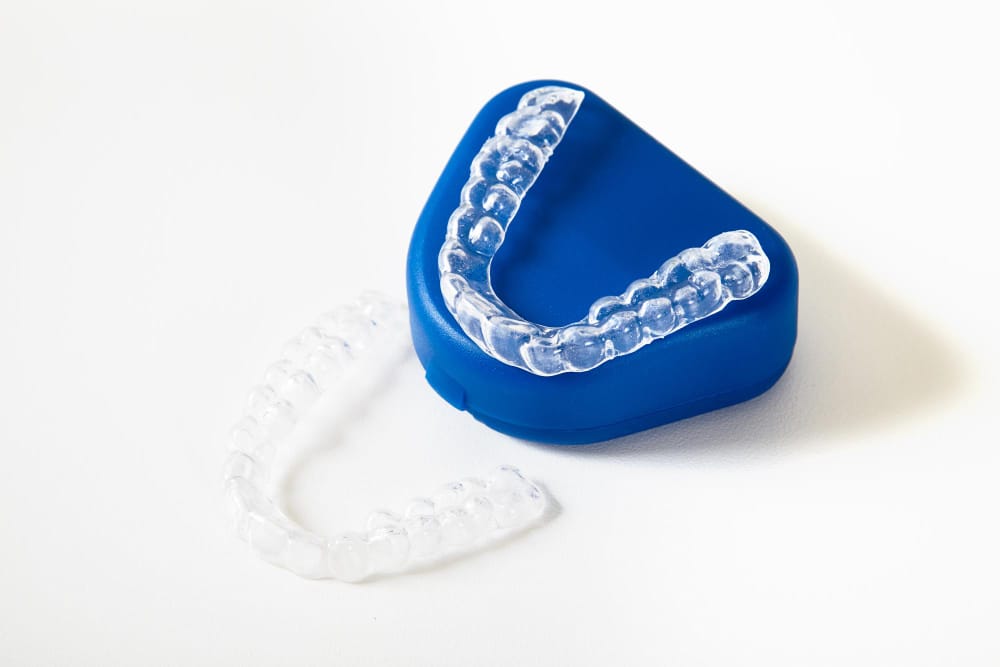
- Wearing a mouthguard during sports
- Scheduling routine dental checkups and cleanings
- Addressing cavities and cracks early
Preventive care plays a major role in maintaining healthy teeth and gums.
Choosing Root Canal Treatment in Champaign
When selecting a dental provider for root canal treatment in Champaign, look for a practice that focuses on patient comfort, modern technology, and personalized care. Experienced dental professionals use advanced diagnostic tools and gentle techniques to provide accurate treatment and comfortable experiences for patients of all ages.
A trusted dental team will also explain every step of the procedure, answer your questions, and help you feel relaxed throughout the process.
Restore Your Smile and Comfort
Root canal treatment is a safe and effective way to save infected teeth and eliminate pain. Delaying treatment can increase the risk of complications, so early care is important. If you are experiencing tooth pain, sensitivity, or swelling, seeking professional dental evaluation promptly can protect your smile and overall health.
With modern root canal therapy in Champaign, patients can enjoy relief from discomfort and preserve their natural teeth for years to come.