Dental emergencies can happen unexpectedly, whether it is a sudden toothache, a broken tooth, swelling, bleeding, or a knocked-out tooth. When dental pain becomes severe or an injury affects your teeth or gums, delaying treatment can make the problem worse. An emergency dentist in Shelbyville can provide prompt evaluation and appropriate treatment to protect your oral health.
Knowing what to do during a dental emergency can help you stay calm and make the right decision. Professional emergency dental care focuses on identifying the cause of the problem, controlling pain, preventing further damage, and restoring your dental health.
What Is a Dental Emergency?
A dental emergency is an oral health problem that requires prompt professional attention. Common situations include:
- Severe or persistent toothache
- Broken, cracked, or chipped teeth
- Knocked-out teeth
- Dental abscesses or infections
- Swelling around the gums, face, or jaw
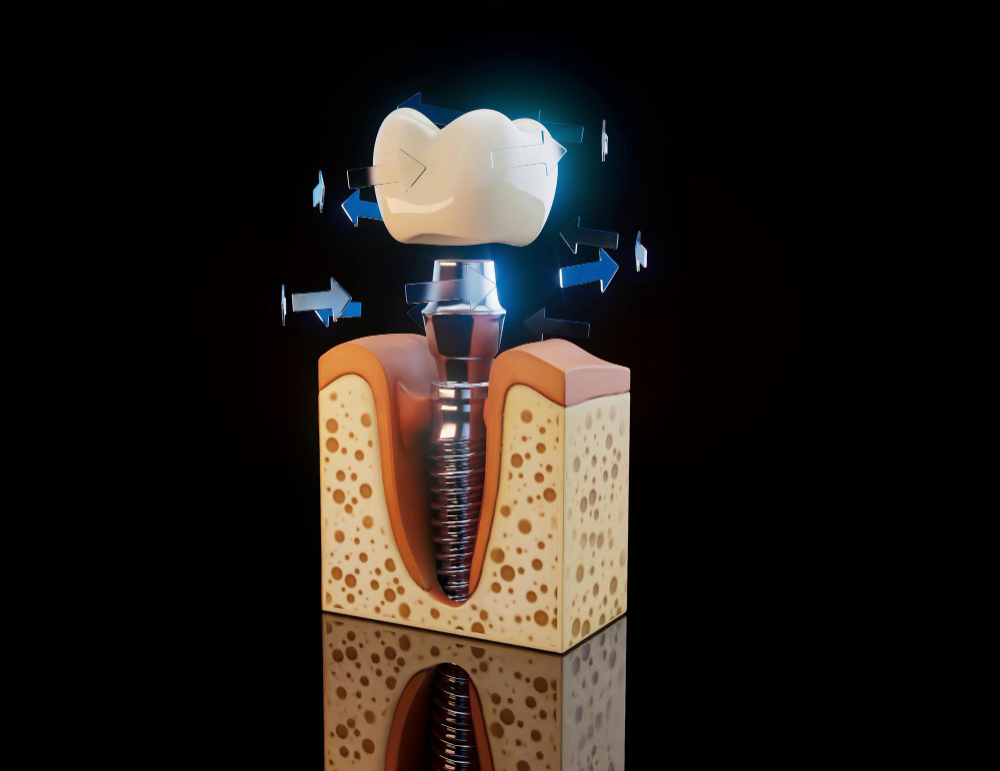
- Lost fillings or crowns
- Excessive bleeding from the mouth
- Injuries to the lips, gums, tongue, or teeth
If you are uncertain whether your condition requires urgent care, contacting a dental professional for guidance is a good first step.
Common Reasons to Visit an Emergency Dentist in Shelbyville
Severe Tooth Pain
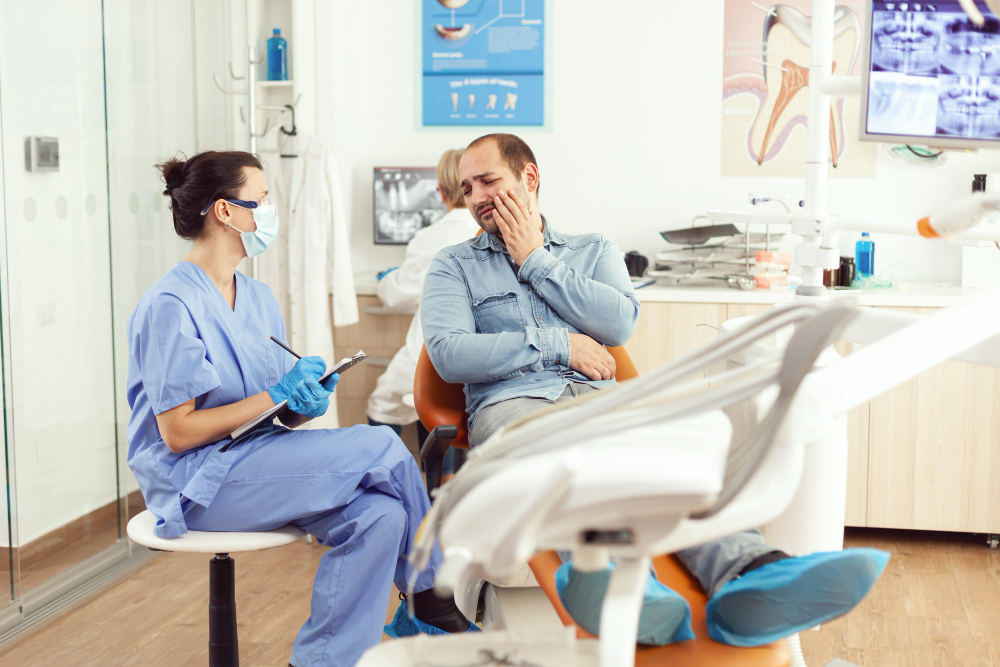
A sudden or intense toothache can be caused by decay, infection, damaged dental tissue, or other underlying problems. Temporary pain relief may not address the source. An emergency dental evaluation can help identify the cause and determine the appropriate treatment.
Cracked or Broken Teeth
A cracked or broken tooth can become more sensitive and vulnerable to additional damage. Depending on the severity, treatment may involve bonding, a filling, a crown, or another restorative procedure.
Knocked-Out Tooth
A knocked-out permanent tooth requires immediate dental attention. Handle the tooth carefully by the crown rather than the root, keep it moist, and seek professional care as quickly as possible.
Dental Abscess
An abscess can cause pain, swelling, tenderness, fever, or an unpleasant taste in the mouth. Because dental infections can become serious, prompt professional evaluation is important.
Lost Filling or Crown
A lost filling or crown can expose vulnerable areas of the tooth and cause sensitivity or discomfort. Emergency dental care can help protect the tooth and determine whether the restoration can be repaired or needs replacement.
What Should You Do During a Dental Emergency?
Your actions before reaching the dentist can help minimize further damage. For a toothache, gently rinse your mouth with warm water and avoid irritating the affected area. For swelling, a cold compress may provide temporary relief.
If a tooth has been knocked out, avoid touching the root and keep the tooth moist while seeking dental care. If you experience uncontrolled bleeding, significant facial swelling, difficulty breathing, or another serious medical problem, seek emergency medical attention immediately.
Why Prompt Emergency Dental Care Matters
Ignoring a dental emergency can allow pain, infection, or damage to progress. Early treatment may help protect the affected tooth, reduce discomfort, and prevent the need for more extensive treatment.
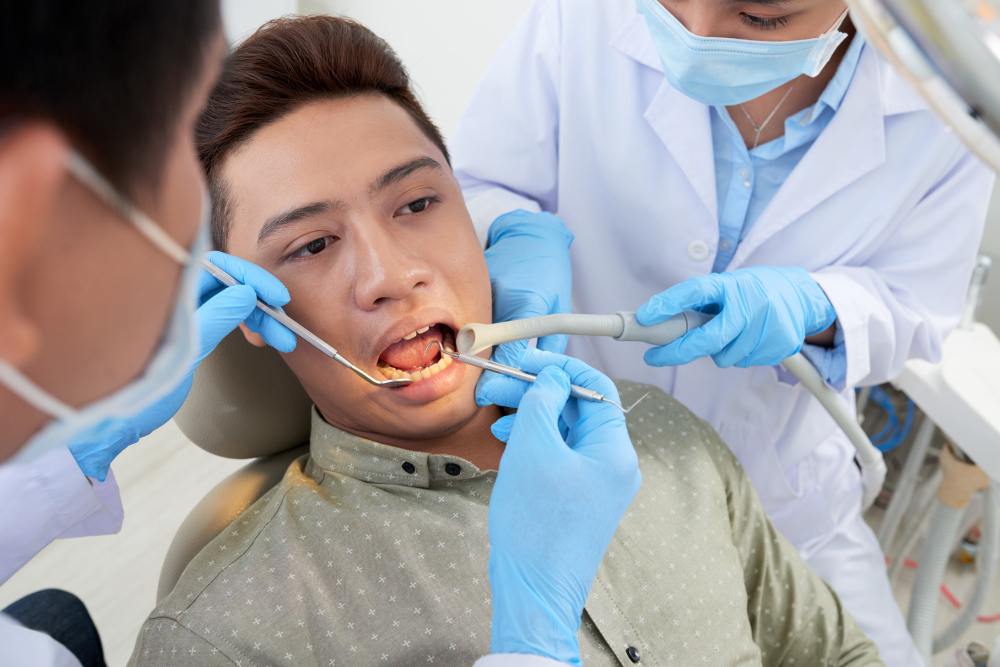
A professional emergency dentist can evaluate your symptoms, identify the underlying issue, and recommend a treatment plan based on your individual needs. Affinity Family Dentists lists emergency care for concerns including toothaches, cracked teeth, abscesses, broken restorations, and knocked-out or loose teeth.
Choosing Emergency Dental Care in Shelbyville
When looking for emergency dental care, consider a dental office that provides timely appointments, experienced care, clear treatment recommendations, and a comfortable environment. Having a trusted dental provider can make it easier to know where to turn when an unexpected problem occurs.
Affinity Family Dental Shelbyville is located at 2158 Intelliplex Dr, Ste 114, Shelbyville, IN 46176, and its website provides information about emergency dental care and appointment options.
Preventing Future Dental Emergencies
Although some emergencies are unavoidable, good preventive habits can reduce your risk. Brush twice daily, floss regularly, attend routine dental checkups, avoid chewing extremely hard objects, and use a mouthguard during contact sports. Addressing minor dental problems early can also help prevent them from becoming urgent issues.
When a dental emergency occurs, don’t ignore severe pain, swelling, trauma, or damage to a tooth. Seeking timely professional care can help protect your smile and get you back to your normal routine.