Regular dental cleanings are one of the easiest ways to protect your teeth and gums. Even with daily brushing and flossing, plaque and tartar can build up in areas that are difficult to reach at home. Professional cleanings help remove this buildup and allow your dentist to identify potential problems before they become more serious.
If you are searching for dental cleanings in Peoria, understanding what happens during a cleaning and why preventive dental care matters can help you feel more confident about your next appointment.
What Is a Dental Cleaning?
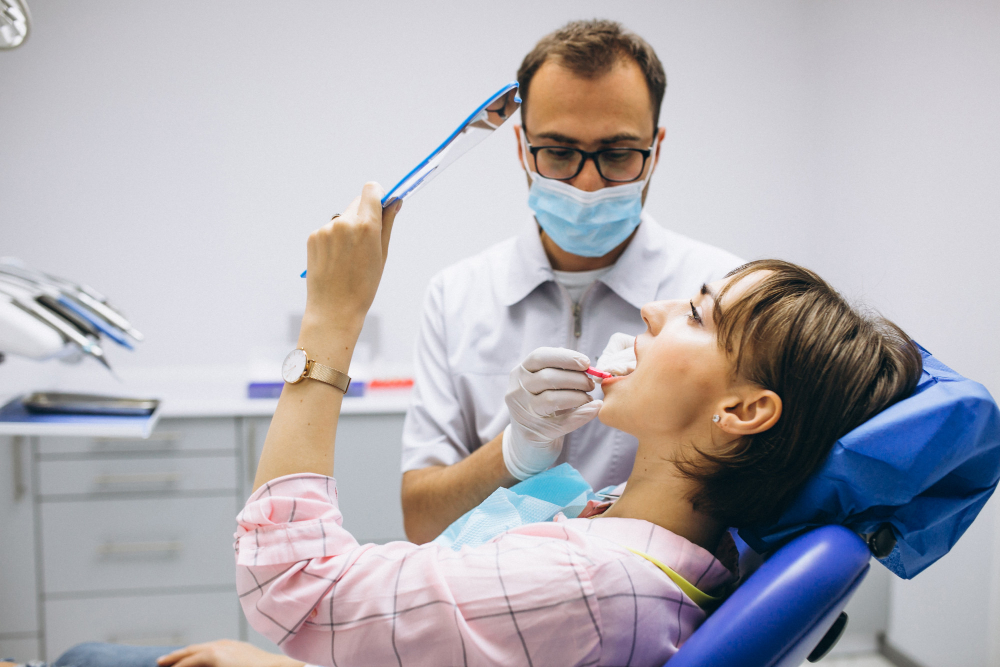
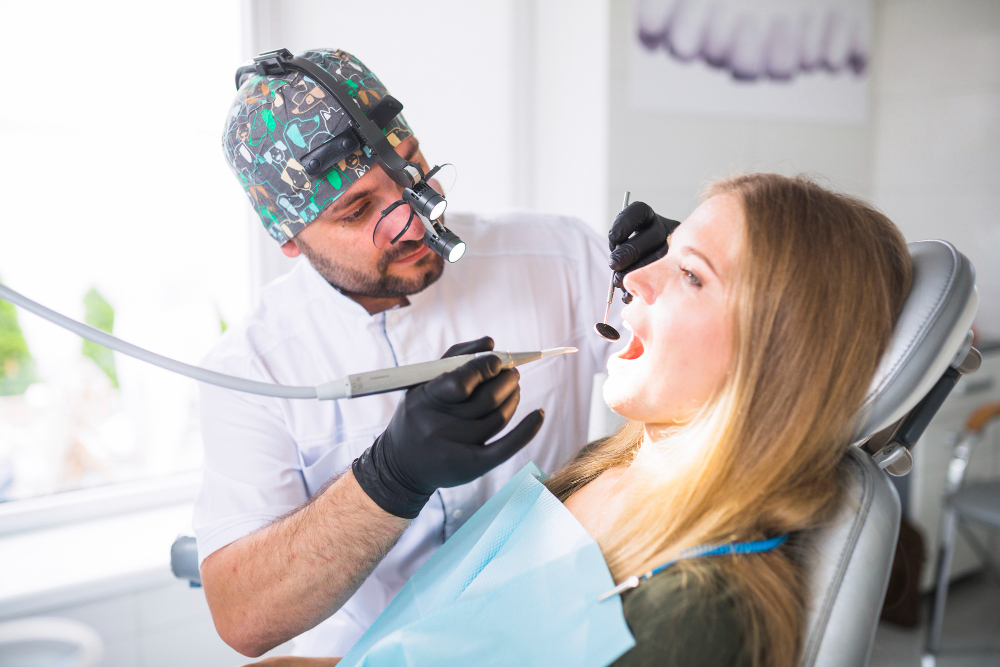
A dental cleaning is a professional preventive treatment designed to remove plaque, tartar, and surface stains from your teeth. A dental hygienist typically uses specialized instruments to clean areas that brushing and flossing cannot completely reach.
After removing buildup, the teeth are usually polished to leave them feeling smoother and cleaner. Your dental team may also examine your teeth and gums for signs of cavities, gum inflammation, or other oral health concerns.
Why Are Regular Dental Cleanings Important?
Daily brushing and flossing are essential, but they cannot always remove hardened tartar. Once plaque hardens into tartar, professional dental instruments are needed to remove it effectively.
Regular cleanings can help:
- Reduce plaque and tartar buildup
- Support healthy gums
- Lower the risk of cavities
- Remove some surface stains
- Improve overall mouth cleanliness
- Help control plaque-related bad breath
- Allow dental concerns to be noticed earlier
Preventive dental visits may also help you avoid more complicated treatment later by identifying problems while they are still small.
What Happens During a Dental Cleaning in Peoria?
A typical dental cleaning may include several simple steps:
1. Oral Examination
Your dental team may check your teeth, gums, and existing dental work for signs of potential problems.
2. Plaque and Tartar Removal
Special dental instruments are used to remove buildup from the surfaces of your teeth and areas around the gumline.
3. Teeth Polishing
After cleaning, your teeth may be polished to help remove surface stains and leave the enamel feeling smooth.
4. Additional Preventive Care
Depending on your individual needs, your dentist may recommend fluoride treatment, X-rays, or other preventive services. X-rays are not necessarily needed at every cleaning; the recommended schedule depends on your oral health and dental history.
How Often Should You Get Your Teeth Cleaned?
Many people benefit from a professional dental cleaning approximately every six months. However, there is no single schedule that works for everyone.
Patients with a history of gum disease, higher cavity risk, or other oral health concerns may need visits more frequently. Your dentist can recommend a cleaning schedule based on your individual needs.
Can Dental Cleanings Help With Bad Breath?
Yes. Plaque and bacteria can contribute to unpleasant breath. A professional cleaning removes accumulated plaque and tartar, helping keep the mouth cleaner. Persistent bad breath can have several causes, though, so it is worth discussing with your dentist if it continues after improving your oral hygiene.
Are Dental Cleanings Painful?
For most people, routine dental cleanings are comfortable. You may experience some pressure or mild sensitivity while tartar is being removed, particularly if there is significant buildup or gum sensitivity.
If you are nervous or uncomfortable during treatment, let your dental team know. They can adjust their approach to help make the appointment easier.
Routine Cleaning vs. Deep Cleaning
A routine dental cleaning is generally preventive care for removing plaque, tartar, and surface stains.
A deep cleaning, also known as scaling and root planing, is different. It may be recommended when there are signs of periodontal disease or buildup below the gumline. It involves more extensive cleaning than a standard preventive appointment.
How to Maintain Your Smile Between Cleanings
Your habits at home play an important role in maintaining the results of professional dental cleaning.
Try to:
- Brush your teeth twice a day with fluoride toothpaste.
- Clean between your teeth every day.
- Limit frequent sugary snacks and drinks.
- Replace your toothbrush when the bristles become worn.
- Keep your regular dental appointments.
- Contact your dentist if you notice persistent bleeding, sensitivity, pain, swelling, or other changes.
Professional dental cleanings and good home care work together to support long-term oral health.
Choose Professional Dental Cleanings in Peoria
Taking care of your teeth does not have to be complicated. Regular professional cleanings, combined with daily brushing and flossing, can help keep your smile cleaner and your gums healthier.
If you are overdue for a dental cleaning in Peoria, scheduling a preventive appointment can be a simple step toward maintaining your oral health. Local Peoria dental practices offer routine cleaning and preventive services for patients with different dental needs.