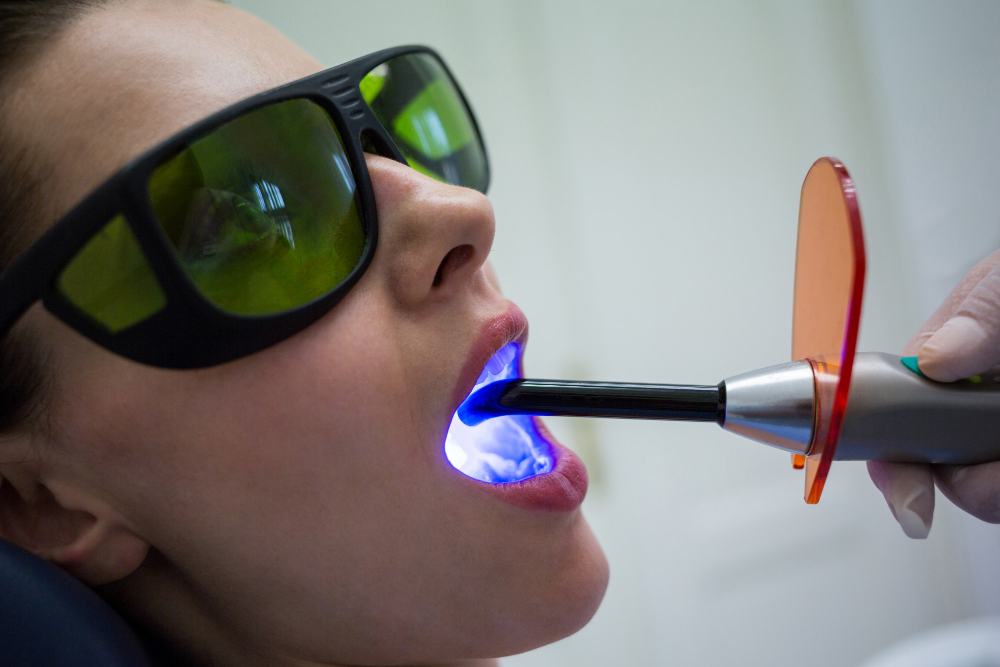
Regular dental cleanings are one of the simplest ways to maintain healthy teeth and gums. Even with consistent brushing and flossing at home, plaque and tartar can build up in areas that are difficult to clean. Professional dental cleanings in Peoria help remove these deposits, support healthier gums, and allow dental professionals to identify potential oral health concerns early.
Whether you are looking for a dentist in Peoria, a professional teeth cleaning near you, or preventive dental care for your family, routine cleanings can play an important role in maintaining a healthy smile.
What Are Dental Cleanings?
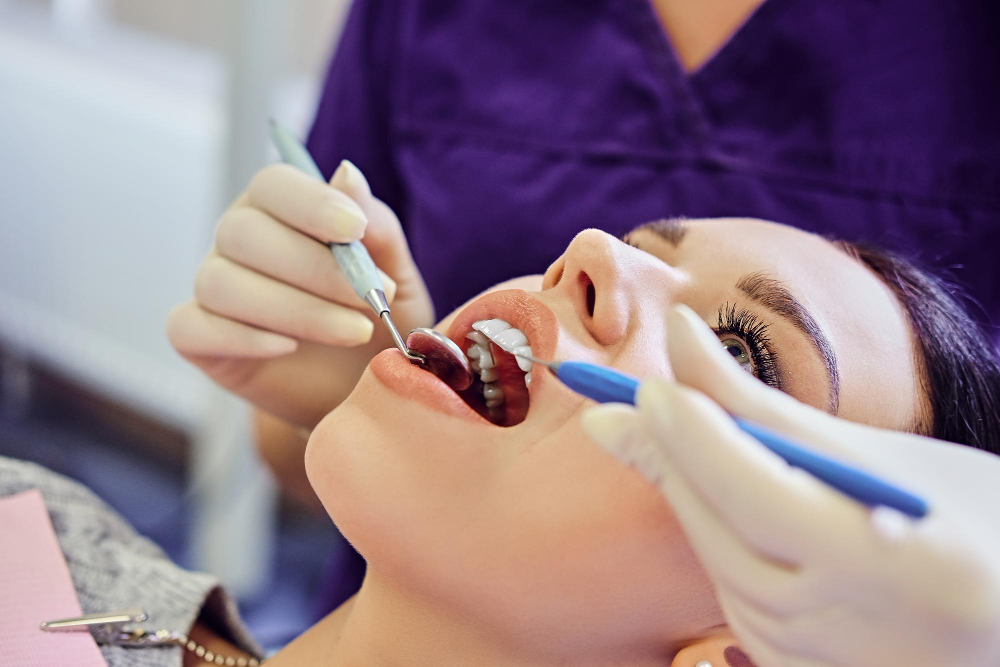
A dental cleaning is a professional procedure designed to remove plaque, tartar, and surface stains from the teeth. During a typical cleaning appointment, a dental professional examines your mouth and carefully cleans areas that regular brushing and flossing may not completely reach.
Professional teeth cleaning may include:
- Examination of the teeth and gums
- Removal of plaque and tartar
- Professional tooth polishing
- Flossing between the teeth
- Checking for signs of gum problems or tooth decay
- Personalized oral hygiene recommendations
Regular cleanings are generally part of preventive dental care and can help you maintain better oral hygiene over time.
Why Are Dental Cleanings Important?
Plaque is a sticky film of bacteria that naturally develops on teeth. If it is not removed regularly, it can harden into tartar. Unlike plaque, tartar cannot usually be removed effectively with a regular toothbrush.
Routine dental cleaning in Peoria can help:
1. Reduce Plaque and Tartar
Professional cleaning removes hardened tartar and accumulated plaque from the teeth and along the gumline.
2. Support Healthy Gums
Plaque and tartar around the gums can contribute to irritation and gum disease. Regular cleanings help keep these deposits under control.
3. Prevent Tooth Problems
Professional dental visits can help identify early signs of cavities, gum problems, worn teeth, or other concerns before they become more complicated.
4. Freshen Your Smile
Cleaning and polishing can remove many surface stains caused by foods and beverages, helping your teeth look cleaner.
5. Improve Everyday Oral Hygiene
A cleaning appointment also gives you an opportunity to learn better brushing, flossing, and other oral hygiene techniques.
How Often Should You Get a Dental Cleaning?
Many people benefit from having their teeth professionally cleaned about twice a year. However, the appropriate schedule can vary depending on your oral health, gum condition, dental history, and individual risk factors.
People with a history of gum disease or other dental concerns may need more frequent professional cleanings. Your dentist can recommend a schedule that fits your specific needs.
What Happens During a Dental Cleaning?
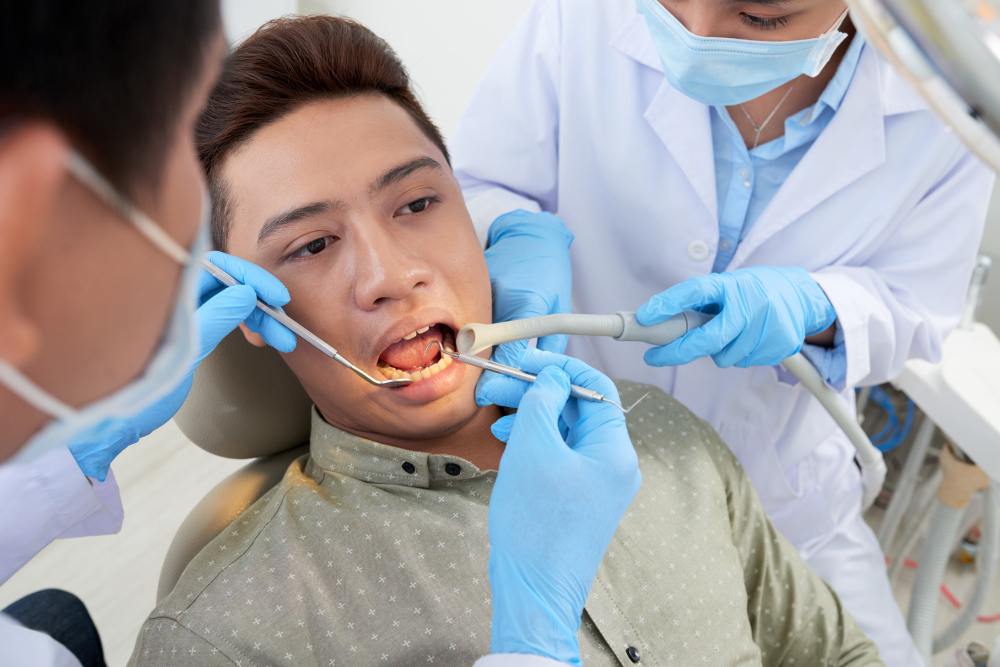
A typical professional teeth cleaning appointment may involve several steps.
Oral Examination
The dental professional examines your teeth, gums, and surrounding tissues for visible signs of dental problems.
Plaque and Tartar Removal
Specialized dental instruments are used to remove plaque and tartar from the teeth, particularly around the gumline and other hard-to-reach areas.
Tooth Polishing
After deposits are removed, the teeth may be polished to help eliminate surface stains and leave the teeth feeling smoother.
Flossing
The dental professional may floss between your teeth to remove remaining debris and check for areas where your gums may be sensitive.
Oral Hygiene Guidance
You may receive recommendations about brushing techniques, flossing, diet, or other habits that can support your oral health between appointments.
Are Professional Teeth Cleanings Painful?
For most people, routine dental cleanings are comfortable. Some patients may experience mild sensitivity, particularly if they have sensitive teeth, inflamed gums, or significant tartar buildup.
Inform your dental professional if you experience sensitivity or discomfort during cleaning. They can adjust the approach and help make the appointment more comfortable.
Dental Cleaning vs. Deep Cleaning: What’s the Difference?
Routine dental cleaning is generally intended for maintaining oral health and removing ordinary plaque and tartar buildup.
A deep dental cleaning, sometimes called scaling and root planing, is a more extensive treatment that may be recommended when gum disease has developed. It involves cleaning below the gumline and smoothing affected tooth-root surfaces.
The two procedures are not interchangeable. A dental professional can determine which type of cleaning is appropriate based on your oral health.
Who Can Benefit From Dental Cleanings in Peoria?
Professional cleanings can benefit children, teenagers, adults, and older adults. Regular preventive appointments are particularly important for people who:
- Have difficulty removing plaque at home
- Experience frequent tartar buildup
- Have a history of gum problems
- Have sensitive or crowded teeth
- Want to maintain a cleaner, healthier smile
- Have not had a dental checkup recently
Families can also benefit from establishing consistent dental care habits from an early age.
How to Maintain Your Teeth After a Cleaning
Professional cleaning is only one part of maintaining good oral health. Between appointments, consider:
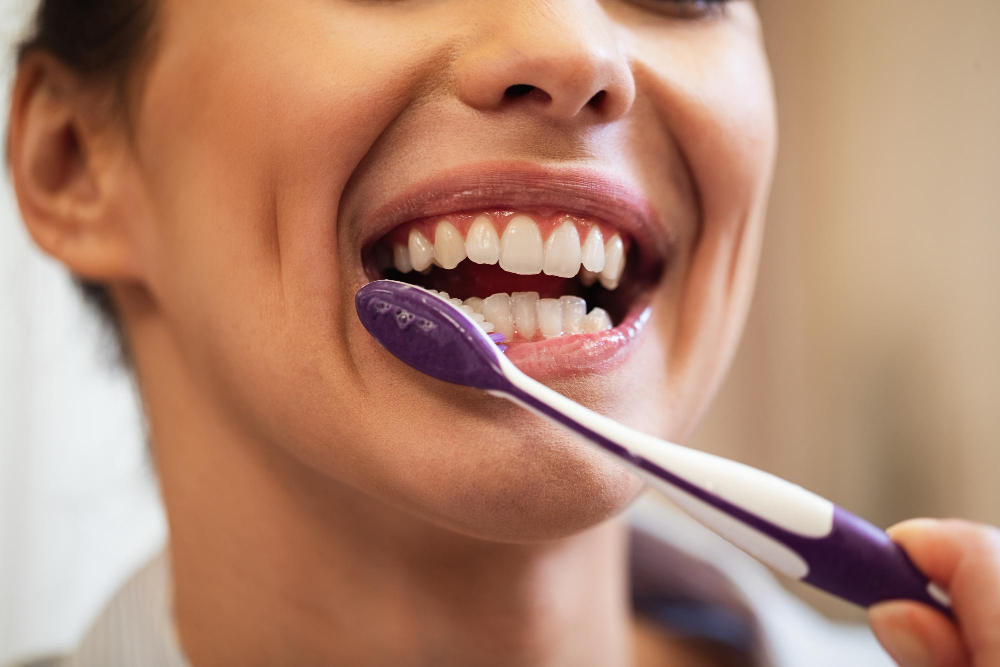
- Brushing your teeth twice daily with fluoride toothpaste
- Cleaning between your teeth every day
- Limiting frequent sugary snacks and drinks
- Drinking water regularly
- Replacing your toothbrush or brush head when appropriate
- Visiting your dentist for recommended examinations
- Following individualized dental care recommendations
Consistent daily care combined with professional dental visits can provide a strong foundation for long-term oral health.
How to Find the Right Dentist for Teeth Cleaning in Peoria
When searching for dental cleanings near me in Peoria, consider factors such as the dental team’s experience, preventive care services, appointment availability, location, patient experience, and whether the practice provides care for your specific needs.
You may also want to ask:
- How often should I schedule a cleaning?
- What type of cleaning do I need?
- Do you provide preventive dental care for children?
- What should I do if my teeth are sensitive?
- Can you help me improve my brushing and flossing routine?
Choosing a dental practice that emphasizes preventive care can make it easier to maintain regular appointments.
Conclusion
Regular dental cleanings in Peoria are an important part of preventive oral healthcare. Professional cleanings help remove plaque and tartar, support healthy gums, improve oral cleanliness, and give dental professionals an opportunity to identify potential concerns early.
If you are searching for teeth cleaning near me in Peoria, scheduling a professional dental cleaning and maintaining a consistent home-care routine can help you protect your smile and support better oral health for years to come.