A child’s smile is precious, and taking care of their teeth from an early age can help build a strong foundation for lifelong oral health. Kids dental care in Peoria focuses on preventing dental problems, maintaining healthy teeth and gums, and helping children feel comfortable and confident during dental visits. Regular dental care can also help parents identify potential issues before they become more serious.
Why Is Kids Dental Care Important?
Children’s teeth play an important role in speaking, chewing, and maintaining proper space for permanent teeth. Even though baby teeth eventually fall out, they still need proper care. Cavities and untreated dental problems can cause pain, difficulty eating, and other complications.
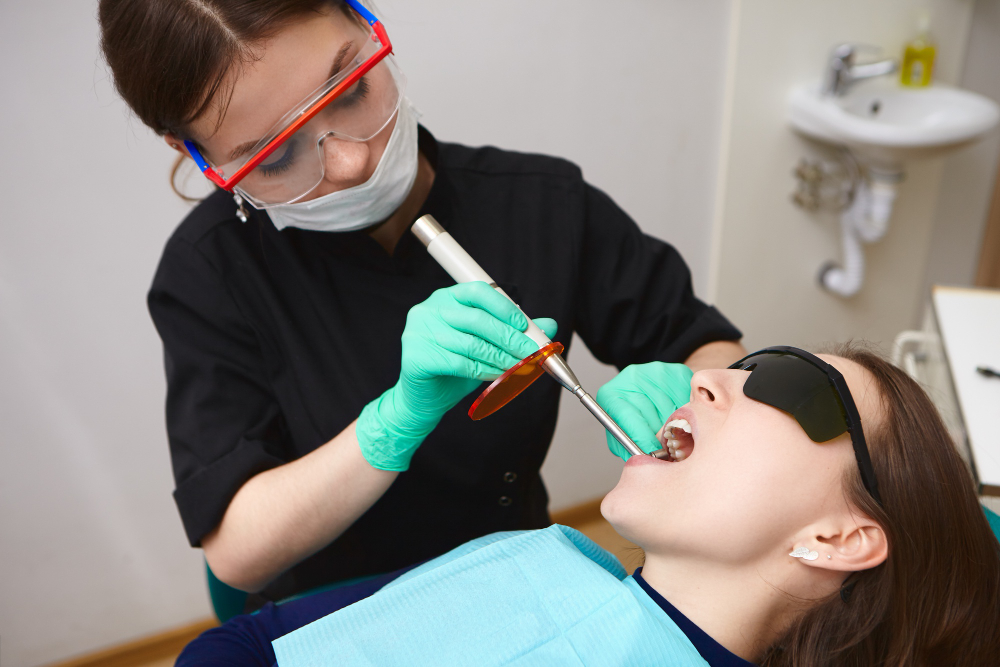
Regular dental visits allow a dentist to monitor your child’s oral development and provide personalized recommendations based on their age and dental needs. Professional cleanings, preventive treatments, and good home-care habits can all contribute to a healthier smile.
When Should Children Visit the Dentist?
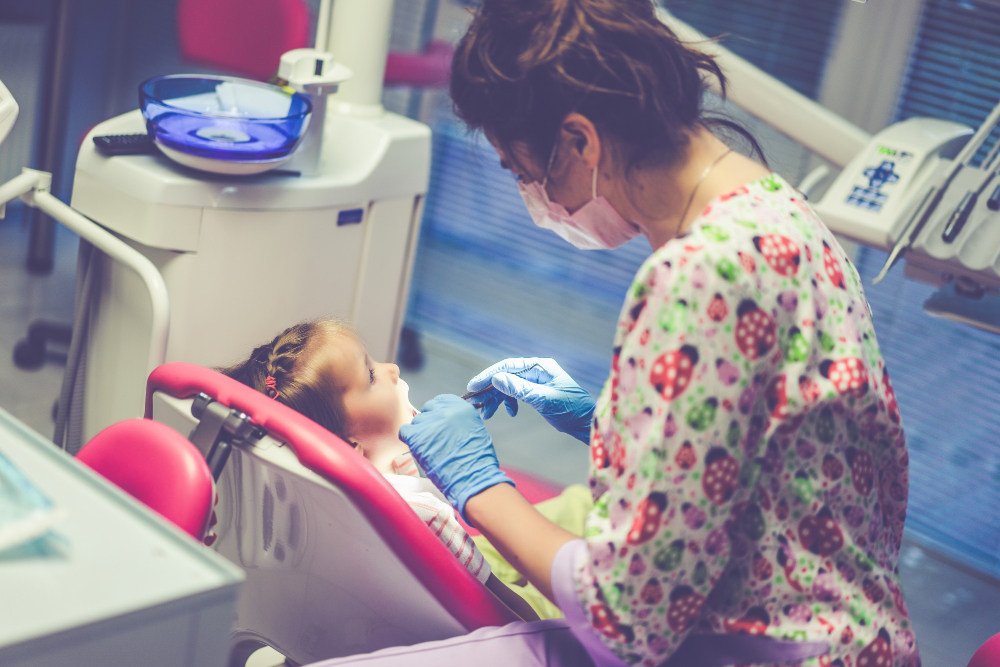
Parents are generally encouraged to schedule a child’s first dental visit around the time the first tooth appears or by their first birthday. Early dental visits help children become familiar with the dental office and allow the dentist to check for early signs of tooth decay or developmental concerns.
As children grow, routine dental checkups help monitor their teeth and gums. Regular visits can also make dental care feel like a normal part of their health routine rather than something to fear.
Common Kids Dental Services in Peoria
Children may need different types of dental care depending on their age, oral health, and individual needs. Common services may include:
- Routine Dental Checkups: Regular examinations help monitor oral health and detect problems early.
- Professional Teeth Cleaning: Dental cleanings remove plaque and buildup that regular brushing may miss.
- Fluoride Treatments: Fluoride can help strengthen tooth enamel and protect against cavities.
- Dental Sealants: Sealants may help protect the grooves and chewing surfaces of back teeth from decay.
- Cavity Treatment: Early treatment can help prevent cavities from becoming larger or more painful.
- Preventive Dental Care: Dentists can provide guidance on brushing, flossing, nutrition, and other healthy habits.
- Dental Emergency Care: Children who experience dental injuries or sudden tooth pain may need prompt professional attention.
Helping Children Prevent Cavities
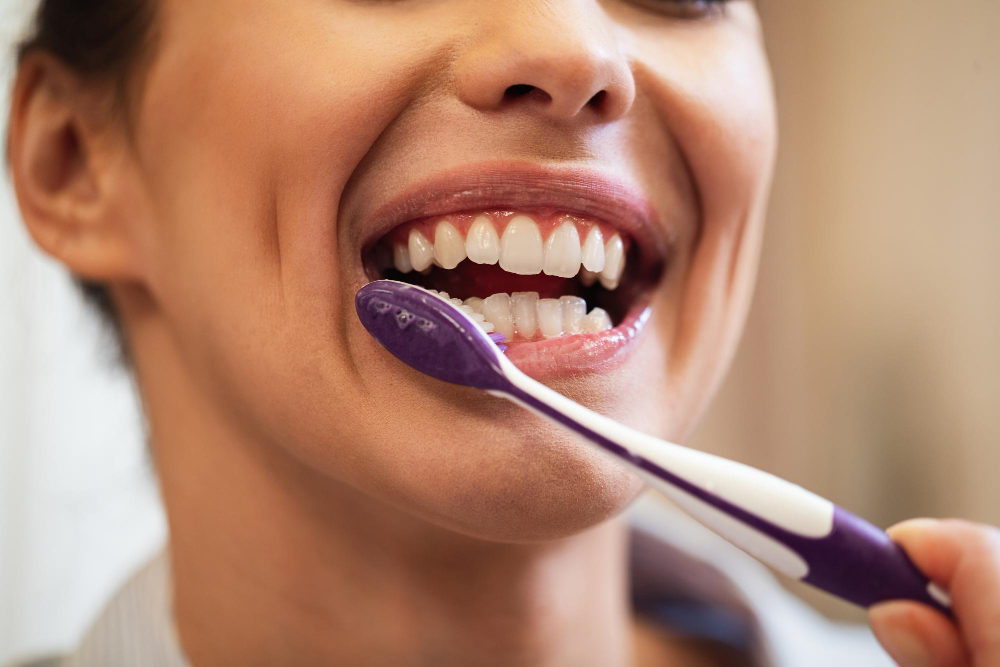
Cavities are one of the most common dental concerns among children. Parents can help reduce the risk by encouraging children to brush their teeth twice a day with fluoride toothpaste and floss regularly when appropriate.
Limiting frequent sugary snacks and drinks can also support better oral health. Drinking water throughout the day and choosing nutritious foods can benefit both children’s overall health and their teeth.
Parents should also supervise younger children while brushing to make sure they clean all areas of their mouth properly. As children become more independent, parents can continue to encourage consistent oral hygiene habits.
Making Dental Visits Comfortable for Kids
Some children may feel nervous about visiting the dentist. A child-friendly dental environment and a caring approach can make appointments easier and more enjoyable. Parents can help by speaking positively about dental visits and avoiding words that may create unnecessary fear.
It is also helpful to explain that the dentist is there to keep their teeth healthy. Choosing a dental practice experienced in treating children can help create positive experiences that encourage children to continue visiting the dentist as they grow.
The Role of Parents in Children’s Oral Health
Parents play an important role in establishing good dental habits. Children often learn by watching the adults around them, so parents can set a positive example by maintaining their own oral hygiene routines.
Encouraging regular brushing, helping with flossing, offering healthy food choices, and scheduling routine dental appointments can all support a child’s oral health. Parents should also pay attention to signs such as tooth sensitivity, persistent bad breath, swollen gums, or complaints of dental pain.
Why Choose Kids Dental Care in Peoria?
Finding the right dental care provider for your child can help make oral health a positive part of their childhood. Quality kids dental care in Peoria focuses not only on treating dental problems but also on prevention and education.
A trusted children’s dental provider can help monitor your child’s oral development, recommend preventive treatments when appropriate, and teach healthy habits that can last a lifetime. Regular dental care during childhood can help children maintain healthier smiles and develop greater confidence in taking care of their teeth.
Schedule Your Child’s Dental Visit
Healthy smiles begin with good habits and regular professional care. If you are looking for kids dental care in Peoria, consider choosing a dental provider who offers a welcoming environment and age-appropriate care for children. Starting dental visits early and maintaining regular checkups can help protect your child’s smile and support their overall oral health for years to come.