A severe toothache can make everyday activities like eating, drinking, and sleeping extremely difficult. If you’re experiencing persistent tooth pain or sensitivity, Root Canal Treatment in Peoria may be the ideal solution to save your natural tooth and restore your oral health. Modern root canal procedures are safe, comfortable, and highly effective, allowing patients to keep their natural teeth while eliminating infection and pain.
At a trusted dental clinic in Peoria, experienced dentists use advanced technology and gentle techniques to ensure a smooth and stress-free treatment experience. Whether you have deep tooth decay, an infected tooth, or dental trauma, root canal therapy can help preserve your smile and prevent further complications.
What Is Root Canal Treatment?
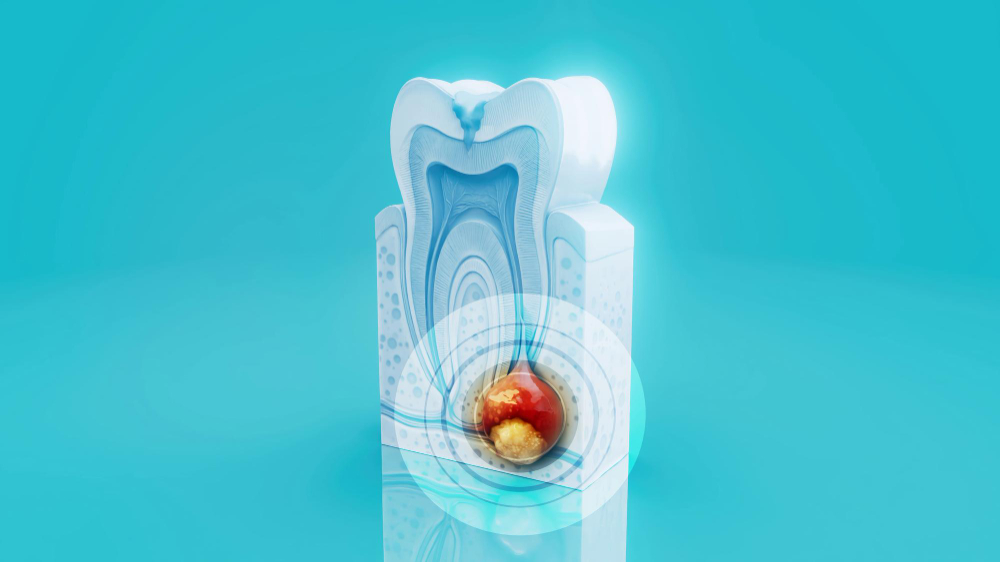
Root canal treatment, also known as endodontic therapy, is a dental procedure that removes infected or damaged tissue from inside the tooth. The soft tissue, called the pulp, contains nerves and blood vessels that help the tooth develop. Once the tooth is fully mature, it can survive without the pulp because surrounding tissues continue to nourish it.
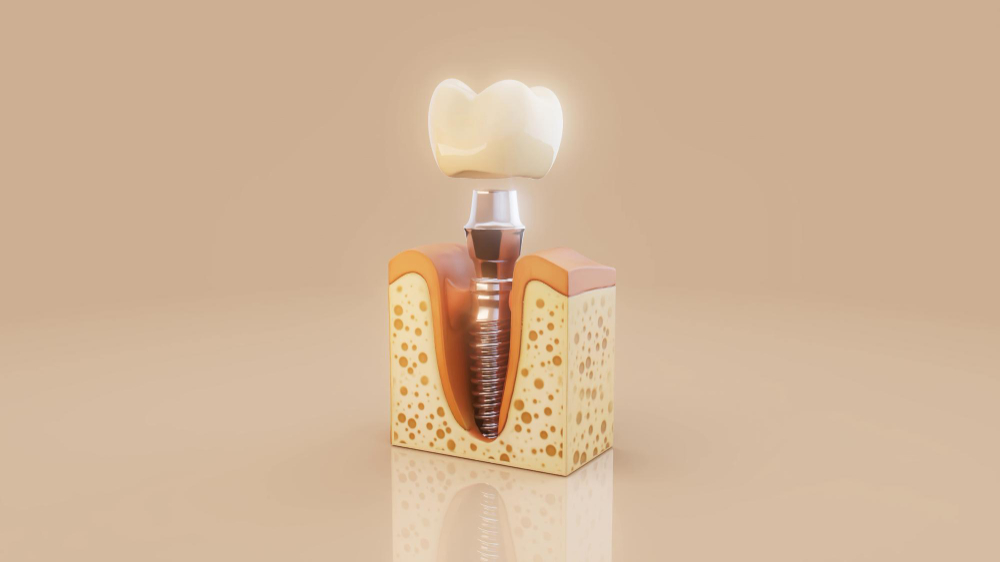
During the procedure, the dentist carefully removes the infected pulp, cleans and disinfects the root canals, and seals the tooth to prevent future infection. In most cases, a dental crown is placed afterward to restore strength and function.
Signs You May Need a Root Canal
Not every toothache requires a root canal, but several symptoms may indicate that treatment is necessary, including:
- Persistent tooth pain
- Sensitivity to hot or cold foods and drinks
- Pain while chewing or biting
- Swollen or tender gums
- A pimple-like bump on the gums
- Tooth discoloration
- Deep decay or a cracked tooth
If you notice any of these symptoms, scheduling a dental examination promptly can help save your tooth before the infection spreads.
Common Causes of Tooth Pulp Infection
Several conditions can damage the tooth pulp and lead to infection, including:
- Untreated cavities
- Deep tooth decay
- Cracked or fractured teeth
- Repeated dental procedures on the same tooth
- Dental injuries caused by accidents
- Severe gum infections
Early diagnosis and treatment help prevent tooth loss and reduce the need for more extensive dental procedures.
The Root Canal Procedure
Many patients worry that root canal treatment is painful, but modern dentistry has made the procedure similar in comfort to getting a dental filling.
Step 1: Examination and Diagnosis
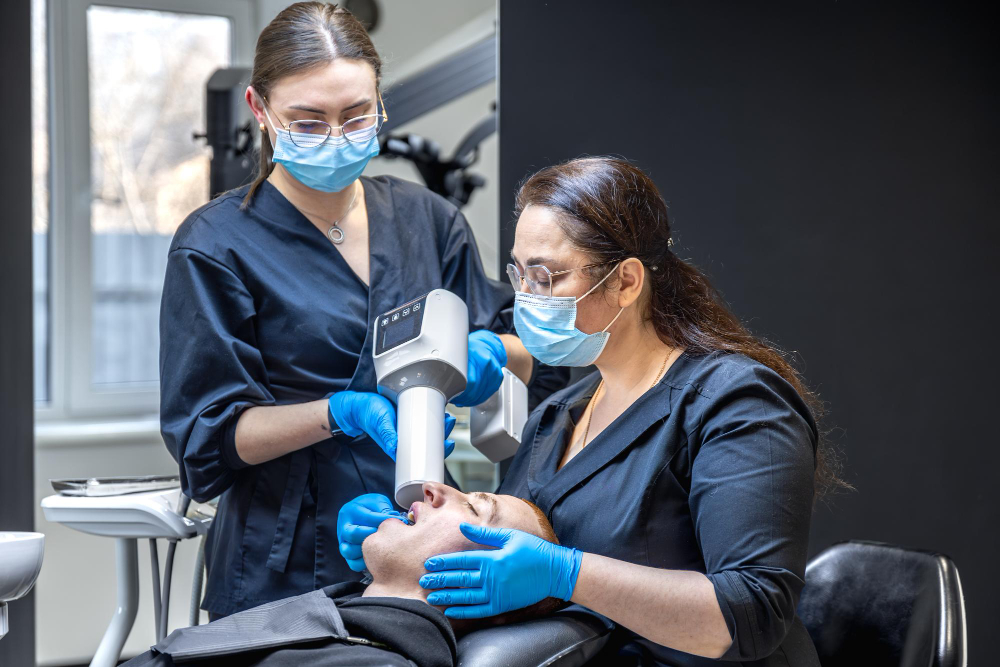
Your dentist examines the tooth, reviews symptoms, and takes digital X-rays to determine the extent of the infection.
Step 2: Local Anesthesia
The area is completely numbed using local anesthesia, ensuring you remain comfortable throughout the procedure.
Step 3: Cleaning the Root Canal
A small opening is made in the tooth to remove infected pulp. The canals are then cleaned, shaped, and disinfected.
Step 4: Filling the Canals
The cleaned canals are sealed with a special biocompatible material that prevents bacteria from returning.
Step 5: Restoring the Tooth
Most teeth require a dental crown after root canal treatment to restore strength, appearance, and chewing function.
Benefits of Root Canal Treatment
Root canal therapy offers several long-term benefits, including:
- Relieves severe tooth pain
- Saves your natural tooth
- Prevents infection from spreading
- Restores normal chewing ability
- Improves oral health
- Maintains your natural bite alignment
- Prevents the need for tooth extraction
- Delivers long-lasting results with proper care
Recovery After Root Canal Treatment
Recovery is usually quick, with most patients returning to normal activities the following day. Mild soreness for a few days is normal and can typically be managed with over-the-counter pain medication.
To promote healing:
- Avoid chewing on the treated tooth until the permanent crown is placed.
- Brush and floss regularly.
- Avoid very hard or sticky foods.
- Attend follow-up appointments.
- Wear a nightguard if you grind your teeth.
Why Choose Professional Root Canal Treatment in Peoria?
Choosing an experienced dental team ensures accurate diagnosis, comfortable treatment, and lasting results. Modern dental clinics in Peoria utilize advanced imaging, precise instruments, and effective anesthesia to provide efficient care while minimizing discomfort.
Professional dentists focus on preserving your natural teeth whenever possible, helping you maintain a healthy, functional smile for years to come.
Preventing Future Root Canal Problems
Good oral hygiene plays a significant role in preventing tooth infections. To reduce your risk:
- Brush twice daily with fluoride toothpaste.
- Floss every day.
- Visit your dentist for routine checkups and cleanings.
- Limit sugary foods and beverages.
- Wear a mouthguard during sports.
- Address cavities and cracked teeth early.
Schedule Your Root Canal Treatment in Peoria
Ignoring tooth pain can allow an infection to worsen, potentially leading to tooth loss or more complex dental procedures. If you’re experiencing persistent discomfort, sensitivity, or swelling, don’t wait to seek professional care. Root canal treatment can eliminate pain, save your natural tooth, and restore your confidence in your smile.
With modern techniques, experienced dental professionals, and personalized care, Root Canal Treatment in Peoria provides a reliable solution for preserving your oral health and keeping your smile healthy for years to come.
Root Canal Treatment in Peoria: Save Your Natural Smile with Expert Dental Care
A severe toothache can make everyday activities like eating, drinking, and sleeping extremely difficult. If you’re experiencing persistent tooth pain or sensitivity, Root Canal Treatment in Peoria may be the ideal solution to save your natural tooth and restore your oral health. Modern root canal procedures are safe, comfortable, and highly effective, allowing patients to keep their natural teeth while eliminating infection and pain.
At a trusted dental clinic in Peoria, experienced dentists use advanced technology and gentle techniques to ensure a smooth and stress-free treatment experience. Whether you have deep tooth decay, an infected tooth, or dental trauma, root canal therapy can help preserve your smile and prevent further complications.
What Is Root Canal Treatment?
Root canal treatment, also known as endodontic therapy, is a dental procedure that removes infected or damaged tissue from inside the tooth. The soft tissue, called the pulp, contains nerves and blood vessels that help the tooth develop. Once the tooth is fully mature, it can survive without the pulp because surrounding tissues continue to nourish it.
During the procedure, the dentist carefully removes the infected pulp, cleans and disinfects the root canals, and seals the tooth to prevent future infection. In most cases, a dental crown is placed afterward to restore strength and function.
Signs You May Need a Root Canal
Not every toothache requires a root canal, but several symptoms may indicate that treatment is necessary, including:
- Persistent tooth pain
- Sensitivity to hot or cold foods and drinks
- Pain while chewing or biting
- Swollen or tender gums
- A pimple-like bump on the gums
- Tooth discoloration
- Deep decay or a cracked tooth
If you notice any of these symptoms, scheduling a dental examination promptly can help save your tooth before the infection spreads.
Common Causes of Tooth Pulp Infection
Several conditions can damage the tooth pulp and lead to infection, including:
- Untreated cavities
- Deep tooth decay
- Cracked or fractured teeth
- Repeated dental procedures on the same tooth
- Dental injuries caused by accidents
- Severe gum infections
Early diagnosis and treatment help prevent tooth loss and reduce the need for more extensive dental procedures.
The Root Canal Procedure
Many patients worry that root canal treatment is painful, but modern dentistry has made the procedure similar in comfort to getting a dental filling.
Step 1: Examination and Diagnosis
Your dentist examines the tooth, reviews symptoms, and takes digital X-rays to determine the extent of the infection.
Step 2: Local Anesthesia
The area is completely numbed using local anesthesia, ensuring you remain comfortable throughout the procedure.
Step 3: Cleaning the Root Canal
A small opening is made in the tooth to remove infected pulp. The canals are then cleaned, shaped, and disinfected.
Step 4: Filling the Canals
The cleaned canals are sealed with a special biocompatible material that prevents bacteria from returning.
Step 5: Restoring the Tooth
Most teeth require a dental crown after root canal treatment to restore strength, appearance, and chewing function.
Benefits of Root Canal Treatment
Root canal therapy offers several long-term benefits, including:
- Relieves severe tooth pain
- Saves your natural tooth
- Prevents infection from spreading
- Restores normal chewing ability
- Improves oral health
- Maintains your natural bite alignment
- Prevents the need for tooth extraction
- Delivers long-lasting results with proper care
Recovery After Root Canal Treatment
Recovery is usually quick, with most patients returning to normal activities the following day. Mild soreness for a few days is normal and can typically be managed with over-the-counter pain medication.
To promote healing:
- Avoid chewing on the treated tooth until the permanent crown is placed.
- Brush and floss regularly.
- Avoid very hard or sticky foods.
- Attend follow-up appointments.
- Wear a nightguard if you grind your teeth.
Why Choose Professional Root Canal Treatment in Peoria?
Choosing an experienced dental team ensures accurate diagnosis, comfortable treatment, and lasting results. Modern dental clinics in Peoria utilize advanced imaging, precise instruments, and effective anesthesia to provide efficient care while minimizing discomfort.
Professional dentists focus on preserving your natural teeth whenever possible, helping you maintain a healthy, functional smile for years to come.
Preventing Future Root Canal Problems
Good oral hygiene plays a significant role in preventing tooth infections. To reduce your risk:
- Brush twice daily with fluoride toothpaste.
- Floss every day.
- Visit your dentist for routine checkups and cleanings.
- Limit sugary foods and beverages.
- Wear a mouthguard during sports.
- Address cavities and cracked teeth early.
Schedule Your Root Canal Treatment in Peoria
Ignoring tooth pain can allow an infection to worsen, potentially leading to tooth loss or more complex dental procedures. If you’re experiencing persistent discomfort, sensitivity, or swelling, don’t wait to seek professional care. Root canal treatment can eliminate pain, save your natural tooth, and restore your confidence in your smile.
With modern techniques, experienced dental professionals, and personalized care, Root Canal Treatment in Peoria provides a reliable solution for preserving your oral health and keeping your smile healthy for years to come.
Book Appointment
Recent Posts