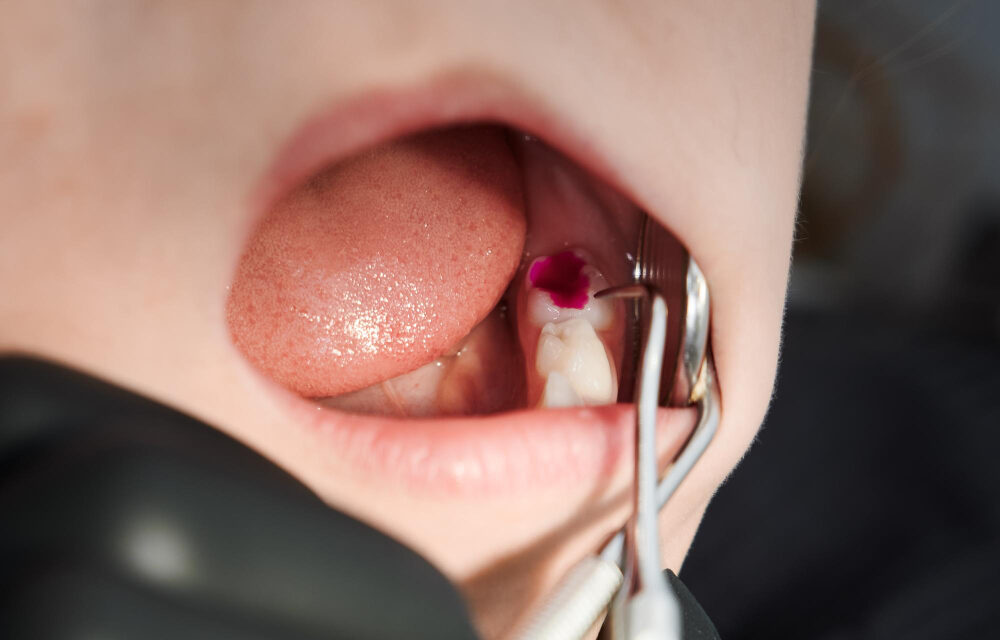
Cavities are one of the most common dental problems affecting children, teens, and adults. They develop when plaque and bacteria produce acids that weaken the enamel, eventually creating small holes in the teeth. If left untreated, cavities can grow deeper, leading to pain, infections, and even tooth loss. Seeking professional cavity treatment in Pekin at the first sign of decay helps preserve your natural teeth and prevents more extensive dental procedures.
What Causes Cavities?
Cavities form when harmful bacteria feed on sugars and starches left behind after eating. These bacteria produce acids that gradually wear away the protective enamel. Several factors increase the risk of tooth decay, including:
- Poor oral hygiene
- Frequent consumption of sugary foods and drinks
- Dry mouth
- Inadequate fluoride exposure
- Plaque buildup
- Worn or damaged tooth enamel
Regular dental visits and proper brushing and flossing habits significantly reduce the chances of developing cavities.
Common Signs You May Have a Cavity
Tooth decay often begins without noticeable symptoms, making routine dental exams essential. As cavities progress, you may experience:
- Tooth sensitivity to hot, cold, or sweet foods
- Toothache or pain while chewing
- Visible holes or pits in a tooth
- Brown, black, or white stains on the tooth surface
- Bad breath caused by bacterial buildup
If you notice any of these symptoms, scheduling a dental appointment promptly can help stop decay before it worsens.
Professional Cavity Treatment Options
Modern dentistry offers several effective treatments depending on the severity of the cavity.
Dental Fillings
Small to moderate cavities are typically treated with tooth-colored composite fillings. The decayed portion of the tooth is removed, and the filling restores its natural shape, strength, and appearance.
Dental Crowns
If decay has weakened a large portion of the tooth, a custom dental crown provides additional protection while restoring full function.
Root Canal Therapy
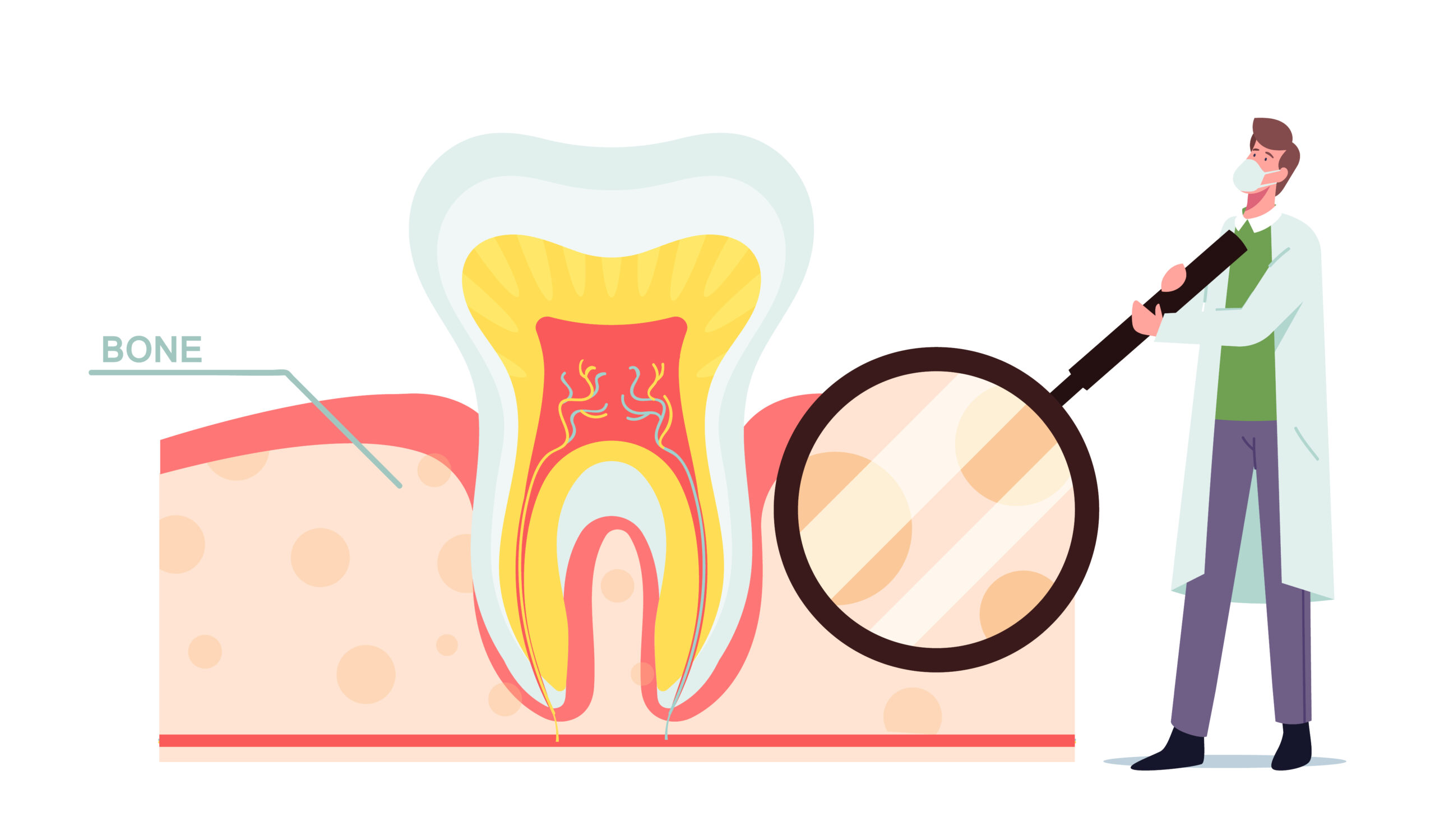
When decay reaches the inner pulp of the tooth, root canal treatment removes infected tissue, relieves pain, and saves the natural tooth.
Tooth Extraction
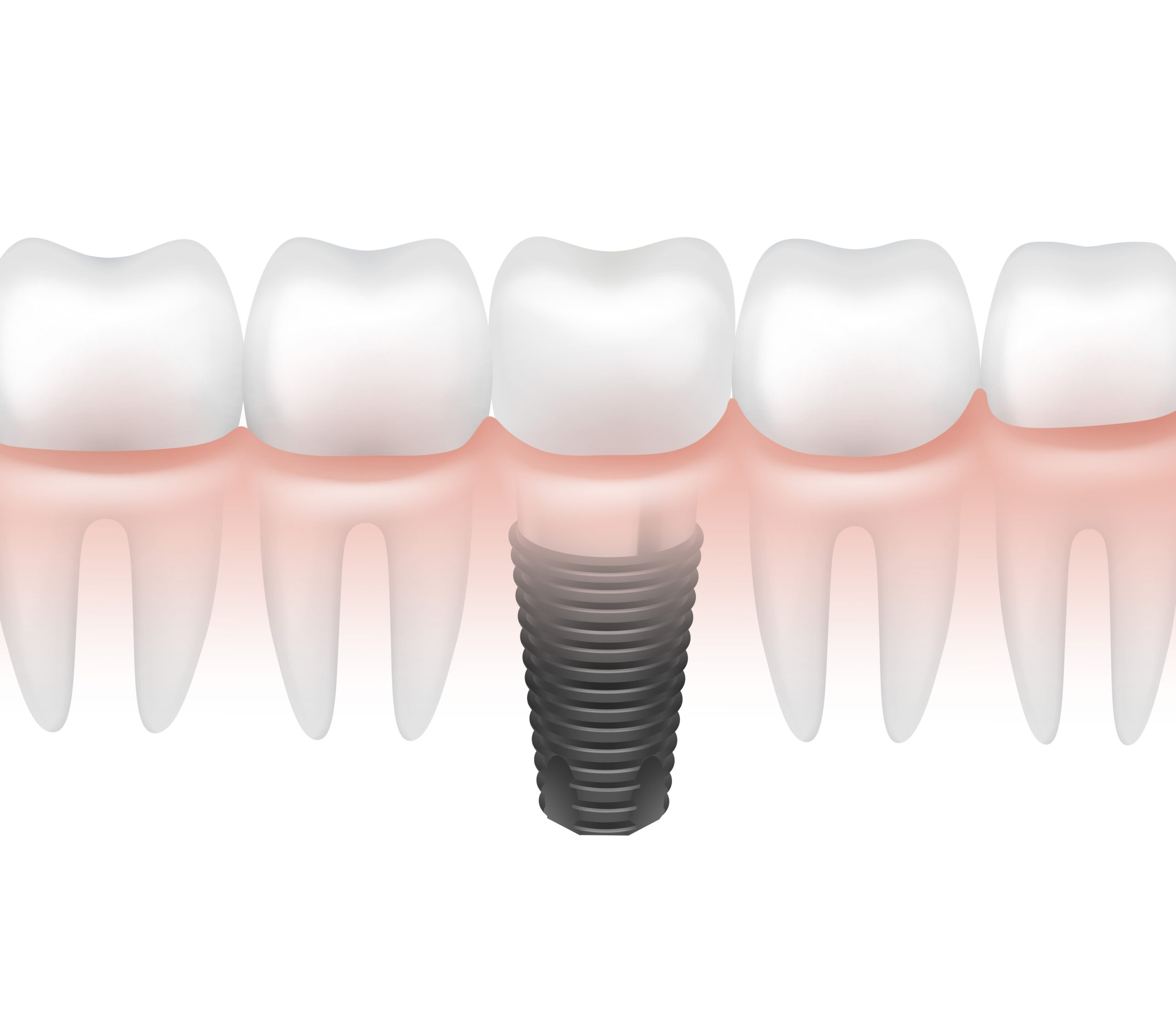
In cases where a tooth is severely damaged beyond repair, extraction may be recommended, followed by replacement options such as implants or bridges.
How Dentists Diagnose Cavities
A comprehensive dental examination includes:
- Visual inspection
- Digital dental X-rays
- Cavity detection instruments
- Evaluation of existing restorations
Early diagnosis allows dentists to treat cavities with minimal intervention and preserve healthy tooth structure.
Preventing Future Cavities
Preventive care is the best defense against tooth decay. You can lower your risk by:
- Brushing twice daily with fluoride toothpaste
- Flossing every day
- Limiting sugary snacks and beverages
- Drinking plenty of water
- Visiting your dentist every six months
- Receiving professional cleanings and fluoride treatments
Children and adults who are prone to cavities may also benefit from dental sealants for added protection.
Why Early Treatment Matters
Delaying cavity treatment can allow decay to spread deeper into the tooth, resulting in more discomfort and higher treatment costs. Early intervention often requires simpler procedures, preserves more natural tooth structure, and helps maintain long-term oral health.
Comfortable and Personalized Dental Care
Modern cavity treatment focuses on patient comfort while delivering durable, natural-looking results. Experienced dental professionals use advanced technology and gentle techniques to diagnose and treat cavities efficiently. Whether you need a small filling or more advanced restorative care, timely treatment helps restore your smile and prevent future dental complications.