Dental Bridge Treatment in Shelbyville – Complete Guide for Patients

Missing teeth can have a significant impact on your daily life, from affecting your confidence to making simple tasks like eating and speaking more difficult. Dental bridge treatment is one of the most effective and time-tested solutions for restoring missing teeth. If you are searching for reliable dental bridge treatment in Shelbyville, understanding the procedure, benefits, and care involved will help you make an informed decision.
What is a Dental Bridge?
A dental bridge is a fixed prosthetic device designed to “bridge” the gap created by one or more missing teeth. It consists of artificial teeth (called pontics) that are supported by adjacent natural teeth or dental implants. These supporting teeth are known as abutments, and they hold the bridge securely in place.
Dental bridges are custom-made to match the color, size, and shape of your natural teeth, ensuring a seamless and natural-looking smile.
Why You Should Replace Missing Teeth
Ignoring missing teeth can lead to several oral health problems, including:
- Shifting of nearby teeth into the gap
- Bite misalignment and jaw discomfort
- Difficulty chewing and speaking
- Bone loss in the jaw over time
- Changes in facial appearance
Dental bridges help prevent these issues while restoring both function and aesthetics.
Types of Dental Bridges Available
Depending on your oral condition and needs, your dentist may recommend one of the following types:
Traditional Dental Bridge
This is the most commonly used option. It involves placing crowns on the teeth adjacent to the gap, which support the artificial tooth in between.
Cantilever Bridge
Used when only one adjacent tooth is available for support. This option is less common but useful in specific cases.
Maryland Bridge
This type uses a metal or porcelain framework bonded to the back of adjacent teeth. It is a more conservative option as it requires minimal alteration of surrounding teeth.
Implant-Supported Bridge
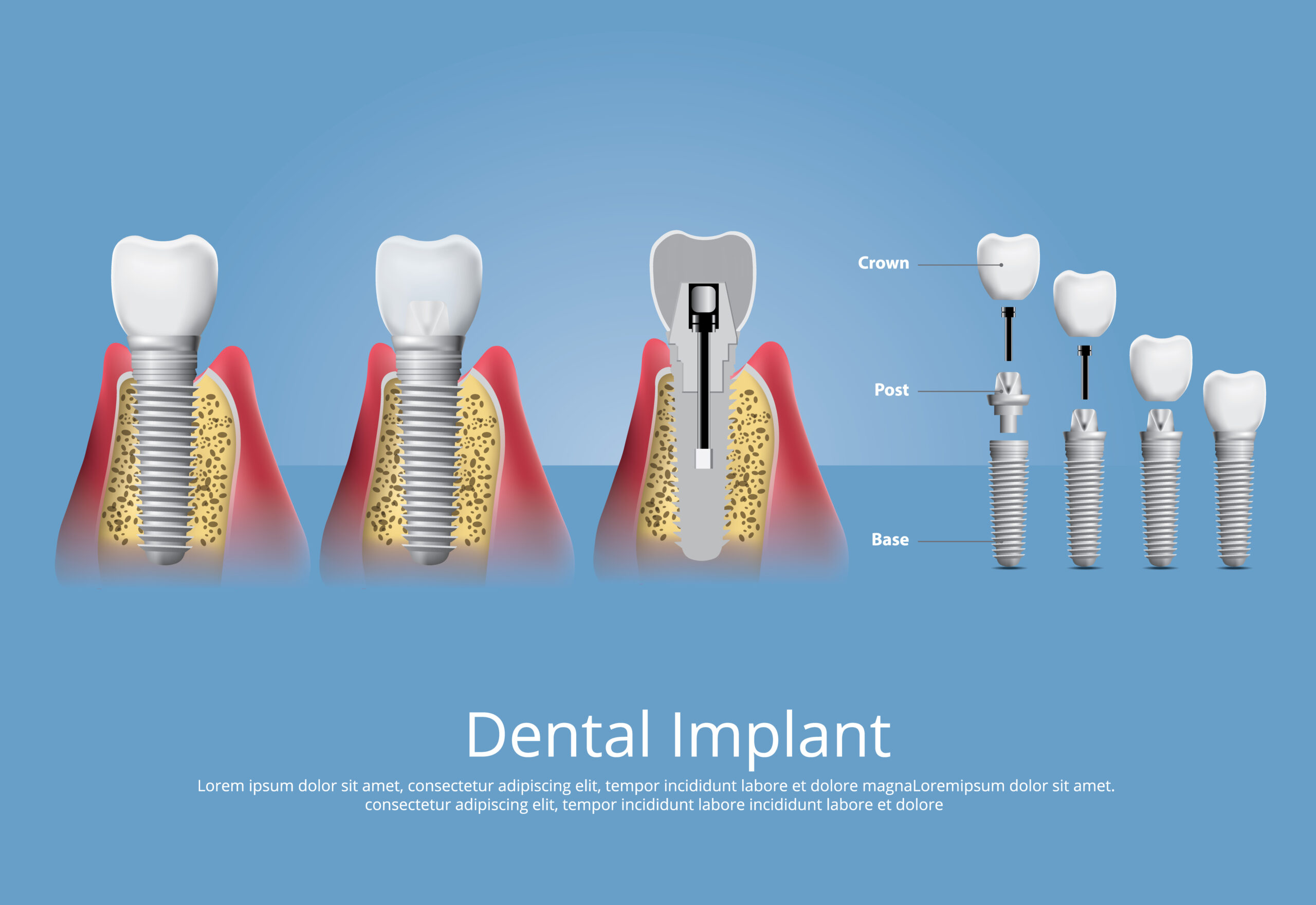
Instead of natural teeth, dental implants are used to support the bridge. This is a highly durable and stable solution, especially for multiple missing teeth.
Step-by-Step Dental Bridge Procedure
The dental bridge process usually takes two to three visits:
1. Initial Consultation
Your dentist will examine your oral health, take X-rays, and discuss suitable treatment options.
2. Tooth Preparation
The abutment teeth are reshaped to make space for crowns. This ensures the bridge fits properly and comfortably.
3. Impressions and Temporary Bridge
Impressions of your teeth are taken to create a custom bridge. Meanwhile, a temporary bridge is placed to protect the exposed teeth.
4. Permanent Bridge Placement
Once the final bridge is ready, it is carefully fitted, adjusted, and permanently cemented for a secure and natural feel.
Benefits of Dental Bridge Treatment
Dental bridges offer a range of advantages:
- Restore your smile and confidence
- Improve chewing and speaking ability
- Maintain facial structure
- Prevent teeth from shifting
- Provide a fixed and stable solution
- Enhance overall oral health
Who is a Suitable Candidate?
You may be a good candidate for a dental bridge if you:
- Have one or more missing teeth
- Have strong and healthy adjacent teeth
- Maintain good oral hygiene
- Have healthy gums free from disease
Your dentist in Shelbyville will evaluate your condition and recommend the most appropriate treatment plan.
How to Care for Your Dental Bridge
Proper care is essential to ensure the longevity of your dental bridge:
- Brush your teeth twice a day using fluoride toothpaste
- Use floss threaders or interdental brushes to clean under the bridge
- Avoid hard, sticky, or chewy foods
- Visit your dentist regularly for check-ups and cleanings
- Maintain good overall oral hygiene habits
With proper care, a dental bridge can last for many years.
Cost of Dental Bridge Treatment in Shelbyville
The cost of dental bridge treatment can vary depending on several factors:
- Type of bridge selected
- Material used (porcelain, zirconia, metal)
- Number of teeth being replaced
- Complexity of the procedure
- Experience of the dentist
Although bridges are generally more affordable than implants, it is best to consult a dental clinic in Shelbyville for an accurate estimate.
Dental Bridge vs Dental Implants
Both dental bridges and implants are effective solutions for missing teeth, but they differ in certain aspects:
- Dental Bridges: Faster procedure, more affordable, non-surgical
- Dental Implants: Long-lasting, more stable, preserves jawbone health
Your choice will depend on your budget, oral health, and long-term goals.
Why Choose Dental Bridge Treatment in Shelbyville?
Shelbyville offers access to experienced dental professionals who use advanced technology and modern materials to provide high-quality care. Whether you need a single tooth replacement or multiple teeth restoration, dental bridges provide a reliable and aesthetically pleasing solution.
Book Appointment
Recent Posts