Dental Implants in Shelbyville: A Complete Guide to Replacing Missing Teeth
Missing teeth can affect more than your smile. They can make chewing difficult, affect speech, change the appearance of your face, and allow surrounding teeth to shift over time. Fortunately, modern restorative dentistry offers several ways to replace missing teeth, and dental implants in Shelbyville are one option patients may discuss with their dentist.
If you are looking for a dental implant dentist in Shelbyville, IN, understanding how implants work, who may be a candidate, what the treatment involves, and how to care for your new teeth can help you make an informed decision.
At Affinity Family Dentists, patients in Shelbyville can discuss their individual dental needs and restorative treatment options with a dental professional. The Shelbyville office is located at 2158 Intelliplex Dr, Ste 114, Shelbyville, IN 46176.
What Are Dental Implants?
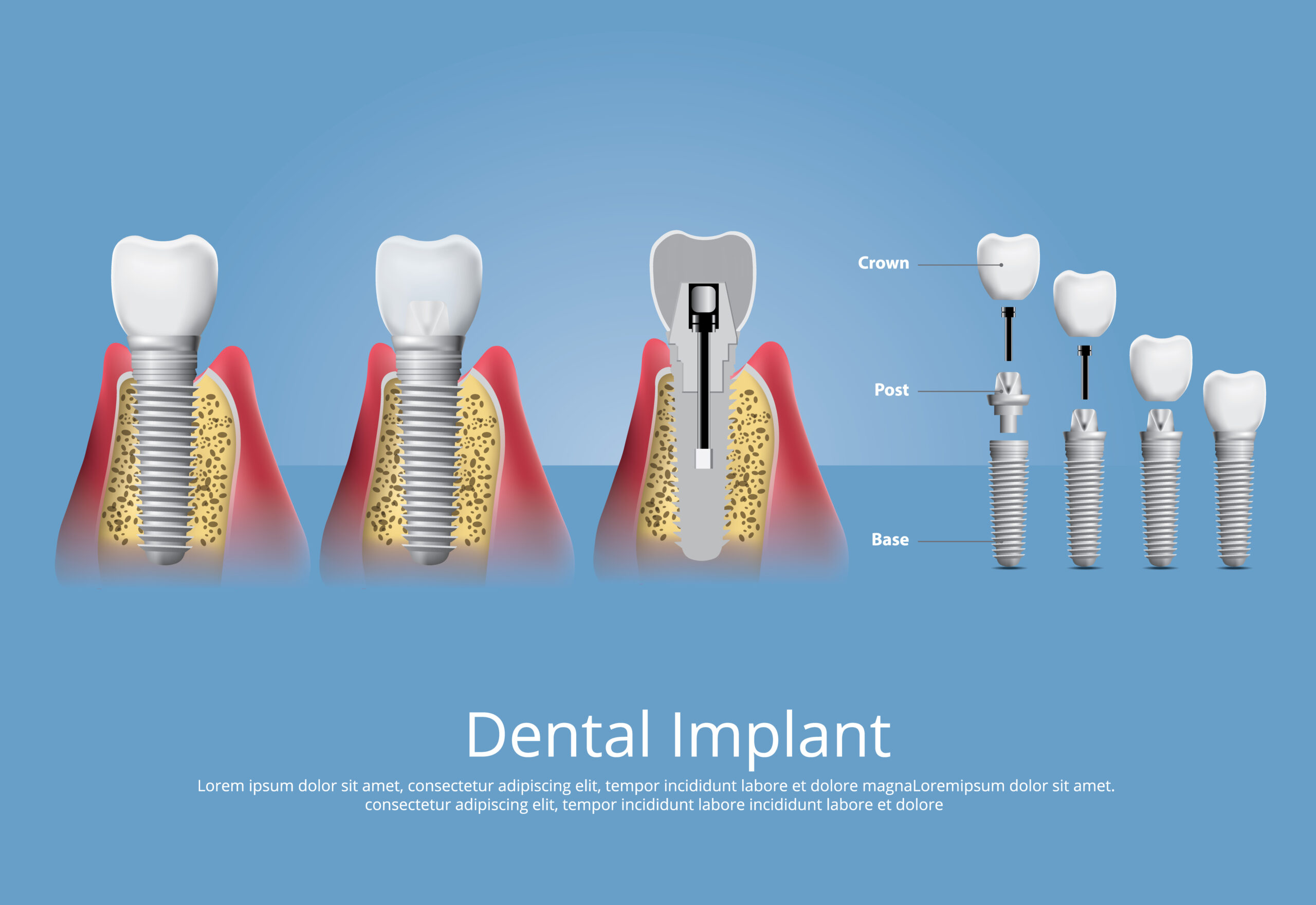
Dental implants are tooth-replacement devices designed to replace the missing tooth root and support a restoration such as a dental crown. Unlike removable dentures, an implant-supported tooth is designed to be fixed in place.
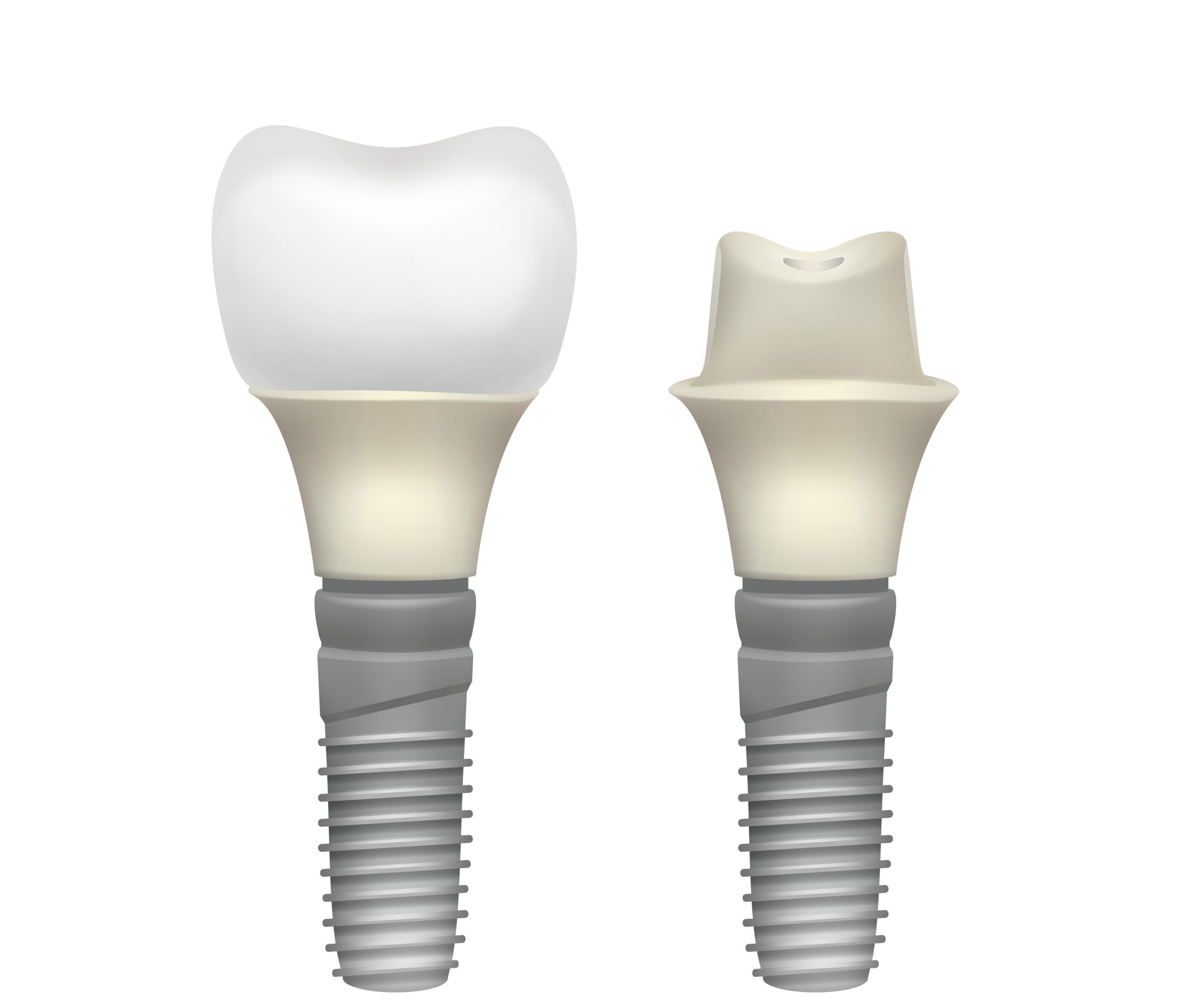
A typical dental implant treatment involves several components:
Implant: A dental implant is placed in the jawbone to provide support.
Abutment: This component connects the implant to the replacement tooth.
Dental crown: The crown is the visible portion designed to restore the appearance and function of the missing tooth.
The exact treatment plan depends on factors such as the number of missing teeth, jawbone condition, oral health, and overall treatment goals.
Who May Need Dental Implants in Shelbyville?
Dental implants may be considered by adults who have:
One missing tooth
Several missing teeth
Multiple teeth that need replacement
Teeth that cannot be restored
Difficulty with traditional removable dentures
A desire for a more fixed tooth-replacement option
However, dental implants are not automatically appropriate for everyone. A dentist needs to evaluate your mouth and determine whether implants are suitable for your particular situation.
Why Consider Dental Implants?
Replacing missing teeth can help restore important aspects of everyday oral function.
1. Improved Chewing
Missing teeth can make it harder to chew certain foods comfortably. A properly planned tooth replacement can help restore dental function.
2. A Natural-Looking Smile
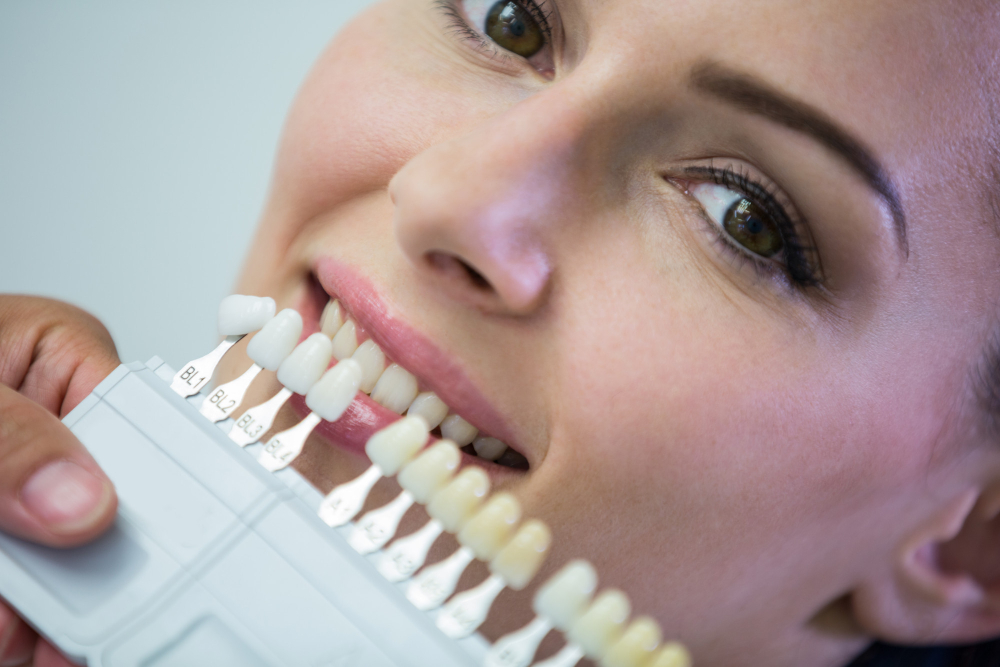
Dental implants can be combined with custom restorations designed to resemble natural teeth. The goal is to create a replacement that fits naturally with the rest of your smile.
3. Tooth Replacement Without a Removable Appliance
Implant-supported restorations are designed to remain in place rather than being removed like traditional removable dentures.
4. Support for Oral Function
Replacing missing teeth can help patients regain confidence when eating and speaking.
5. Personalized Treatment
Every patient has different dental needs. A dental implant consultation allows the dentist to evaluate your oral health and discuss the available options.
How Does the Dental Implant Process Work?
The dental implant process can vary from person to person, but it generally involves several stages.
Step 1: Dental Examination
Your dentist first evaluates your teeth, gums, bite, and overall oral health. Diagnostic imaging may also be used to assess the structures involved in treatment.
Step 2: Treatment Planning
The dentist develops an individualized plan based on the location of the missing tooth or teeth and your oral health.
Step 3: Implant Placement
When appropriate, the implant is placed in the jawbone. The implant provides a foundation for the future restoration.
Step 4: Healing
The implant needs time to heal and integrate with the surrounding bone. The length of this phase varies between patients.
Step 5: Abutment and Restoration
Once the implant is ready for restoration, an abutment and replacement tooth may be placed according to the treatment plan.
Step 6: Follow-Up Care
Regular dental examinations and good oral hygiene help protect the health of the implant and surrounding teeth and gums.
Are Dental Implants Better Than Dentures?
There is no single tooth-replacement solution that is best for every patient.
Dental implants are designed to provide a fixed foundation for replacement teeth, while traditional dentures are removable appliances.
The appropriate option depends on factors including:
Number of missing teeth
Jawbone health
Gum health
Existing dental conditions
Treatment preferences
Budget
Overall oral health
A Shelbyville implant dentist can evaluate these factors and explain which options may be appropriate for your needs.
Can You Get an Implant If You Have Bone Loss?
Bone availability is an important consideration when planning dental implants.
Some patients who have experienced bone loss may need additional treatment before an implant can be placed. The dentist may recommend a detailed evaluation to determine whether sufficient bone is available for the planned treatment.
This is one reason why an individual consultation is important. Your dentist can evaluate your specific anatomy rather than relying on general information.
How Long Do Dental Implants Last?
Dental implants are designed as a long-term tooth-replacement option, but their longevity depends on factors such as oral hygiene, gum health, dental care, lifestyle habits, and regular professional examinations.
The implant itself and the restoration are also different components and may have different maintenance needs.
Maintaining good oral hygiene and attending routine dental appointments can help support the health of your implant and surrounding tissues.
How Should You Care for Dental Implants?
Good oral hygiene remains important after implant treatment.
Patients should generally:
Brush their teeth regularly.
Clean between their teeth as recommended.
Follow their dentist’s instructions.
Attend regular dental examinations.
Report unusual discomfort or changes promptly.
Maintain healthy gum tissue around the implant.
Your dentist can recommend the most appropriate brushing, flossing, and interdental-cleaning techniques for your specific restoration.
Are Dental Implants Painful?
Patients often have questions about discomfort during and after implant treatment. The procedure is performed using appropriate dental anesthesia, while post-treatment discomfort can vary depending on the complexity of the procedure.
Your dentist will provide instructions for managing the recovery period and explain what to expect before treatment.
If you are concerned about dental procedures, discuss your concerns during your consultation so your dental team can explain the available comfort measures.
How Much Do Dental Implants Cost in Shelbyville?
The cost of dental implants in Shelbyville, IN varies from patient to patient.
Factors that can influence the overall cost include:
Number of implants required
Type of restoration
Diagnostic imaging
Tooth extraction, if necessary
Bone-related procedures, if required
Complexity of the treatment
Laboratory and restoration costs
Dental insurance benefits
Because treatment needs differ, a dental examination and personalized treatment plan are the best ways to understand your potential costs.
Patients should also ask whether their dental insurance provides benefits toward portions of implant treatment and what payment options may be available.
Why Choose a Local Shelbyville Dentist for Implant Treatment?
Choosing a dental office close to home can make ongoing dental care more convenient.
Implant treatment may involve multiple appointments, examinations, and follow-up visits. Having a local dentist in Shelbyville can make it easier to maintain your scheduled appointments and receive continuing dental care.
Affinity Family Dentists’ Shelbyville office is located at 2158 Intelliplex Dr, Ste 114, Shelbyville, IN 46176, and the practice states that it is accepting new patients.
Dental Implants vs. Other Tooth Replacement Options
Patients considering tooth replacement may want to compare several options.
Treatment
General Description
Dental Implant
Implant-supported replacement designed to provide a fixed foundation
Dental Bridge
Replacement tooth supported by neighboring teeth
Denture
Removable appliance used to replace multiple missing teeth
Implant-Supported Restoration
Restoration supported by dental implants
The right choice depends on your dental condition and treatment goals. A dentist can explain the advantages, limitations, and maintenance requirements of each option.
When Should You Replace a Missing Tooth?
There is no need to wait until a missing tooth causes major problems before discussing replacement.
A missing tooth can affect chewing, speech, bite, and the position of neighboring teeth. Discussing your options sooner allows a dentist to evaluate your oral health and determine what treatments may be appropriate.
If you have recently lost a tooth or have been living with missing teeth for years, consider scheduling an evaluation with a Shelbyville dental implant provider.
Why Choose Affinity Family Dentists for Dental Care in Shelbyville?
Affinity Family Dentists provides comprehensive dental care for patients in the Shelbyville area and serves patients of different ages. The practice emphasizes individualized dental care based on each patient’s needs, goals, and lifestyle.
For patients considering tooth replacement, a consultation can help determine whether dental implants or another restorative solution may be appropriate.
Missing teeth do not have to mean living with difficulty chewing or feeling uncomfortable about your smile. Dental implants in Shelbyville may provide a long-term option for replacing missing teeth and restoring dental function.
The first step is an examination with a qualified dental professional. During your appointment, you can discuss your oral health, treatment goals, potential implant options, expected treatment stages, and costs.