A persistent toothache, sensitivity to hot or cold foods, swelling, or pain while chewing can be signs that a tooth needs professional attention. When the soft inner tissue of a tooth becomes infected or severely inflamed, root canal treatment may help remove the infection and preserve the natural tooth.
For patients searching for root canals in Champaign, understanding the signs, treatment process, benefits, and recovery can make the decision to seek dental care easier. Modern root canal therapy is designed to remove infected pulp, clean and seal the inside of the tooth, and restore its function.
Affinity Family Dentists provides dental care in Champaign at 2918 Crossing Ct, Ste A, Champaign, IL 61822. The Champaign office can be reached at (217) 298-7999.
What Is a Root Canal?
A root canal is a dental procedure used to treat infection or serious inflammation inside a tooth.
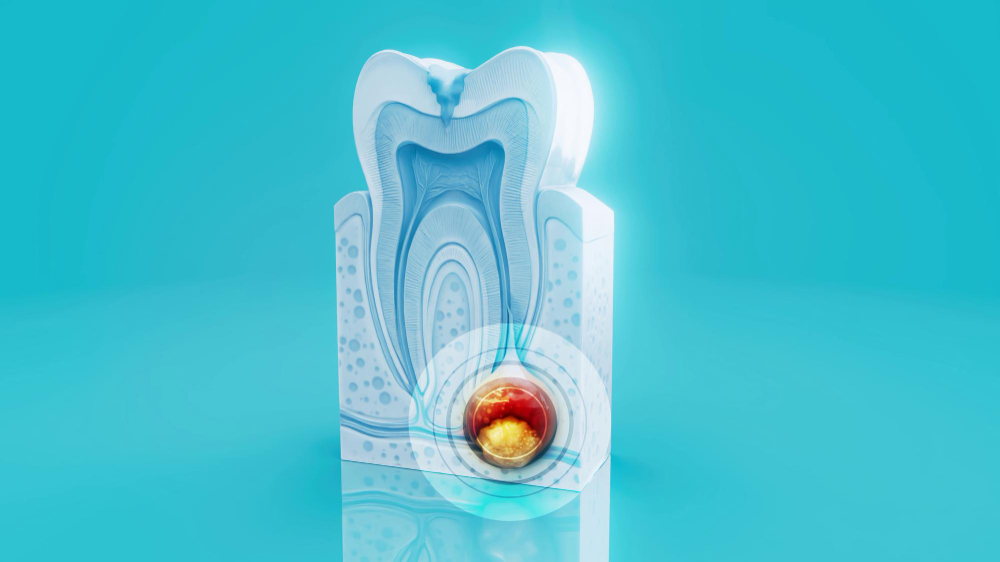
The innermost part of a tooth contains pulp, which includes nerves and blood vessels. Deep decay, cracks, trauma, or other damage can allow bacteria to reach this area. If the pulp becomes infected, the tooth may develop significant pain, sensitivity, swelling, or an abscess.
During root canal therapy, the dentist removes the damaged pulp, cleans and disinfects the inside of the tooth, and seals the canals. The tooth may then receive a filling or dental crown to restore its strength and function.
The primary goal is to save the natural tooth rather than remove it.
What Are the Signs You May Need a Root Canal in Champaign?
Not every toothache requires a root canal. However, certain symptoms may indicate that the pulp inside a tooth has become infected or seriously damaged.
Common warning signs include:
- Persistent or severe tooth pain
- Tooth pain when biting or chewing
- Lingering sensitivity to hot or cold
- Swollen or tender gums around a tooth
- A cracked or broken tooth
- Deep tooth decay
- Tooth discoloration
- A recurring pimple or bump on the gums
- Pain that interferes with eating or sleeping
Affinity Family Dentists also notes that persistent pain, prolonged hot or cold sensitivity, swollen gums, and deep decay or trauma can be reasons a dentist may evaluate a tooth for possible root canal treatment.
Importantly, some infected teeth may not cause significant pain. A dental examination and appropriate imaging can help determine whether the tooth has an infection or other internal damage.
Why Is Root Canal Treatment Necessary?
When the pulp becomes infected, simply waiting for the pain to disappear does not necessarily resolve the underlying problem. Dental infection can progress and potentially cause an abscess or damage surrounding tissues.
Root canal treatment is intended to:
- Remove infected or damaged pulp
- Clean the inside of the tooth
- Reduce the source of dental pain
- Seal the tooth against further bacterial contamination
- Preserve the natural tooth
- Restore normal biting and chewing function
Early evaluation can help determine the appropriate treatment before the condition becomes more complicated.
How Does a Root Canal Work?
A typical root canal treatment involves several important steps.
1. Dental Examination
The dentist evaluates the tooth, reviews your symptoms, and may use dental X-rays or other diagnostic methods to determine the extent of the problem.
2. Local Anesthesia
Local anesthesia is used to numb the treatment area and help keep the procedure comfortable.
3. Accessing the Tooth
The dentist creates a small opening in the tooth to reach the damaged pulp and root canal system.
4. Removing the Infected Pulp
The damaged pulp is carefully removed from inside the tooth.
5. Cleaning and Disinfecting
The canals are cleaned and shaped to remove remaining debris and reduce bacterial contamination.
6. Sealing the Canals
The cleaned canals are filled and sealed to help prevent bacteria from entering again.
7. Restoring the Tooth
Depending on the condition and location of the tooth, a filling or dental crown may be recommended to restore its strength, appearance, and function.
The exact treatment approach depends on the tooth, the extent of infection, and the patient’s individual dental needs.
Is a Root Canal Painful?
One of the most common concerns about root canal treatment is pain.
Modern dentistry uses local anesthesia and contemporary techniques to make root canal treatment more comfortable. In many cases, the procedure itself is not significantly more uncomfortable than other common restorative dental procedures.
The purpose of a root canal is actually to treat the damaged or infected tissue responsible for the tooth pain.
Some tenderness or sensitivity can occur after treatment, particularly when the surrounding tissues have already been inflamed. Following the dentist’s after-care instructions can support recovery.
How Long Does a Root Canal Take?
Treatment time varies depending on factors such as:
- Which tooth is being treated
- The number of canals
- The severity of infection
- The complexity of the tooth’s anatomy
- Whether additional restoration is necessary
Some root canal treatments can be completed in one appointment, while more complicated cases may require additional visits.
Affinity Family Dentists notes that some patients can expect one or two appointments, although treatment time varies by individual case.
What Happens After a Root Canal?
After root canal treatment, the tooth may feel different for a short period while the surrounding tissues recover.
Patients may be advised to:
- Follow all post-treatment instructions
- Avoid chewing heavily on the treated tooth until it has been permanently restored
- Maintain regular brushing and flossing
- Choose softer foods temporarily if chewing causes discomfort
- Take medication only as recommended by the dental professional
- Return for the recommended restoration or follow-up appointment
If pain becomes severe, swelling increases, or symptoms do not improve, contact your dental office promptly.
Why Save a Natural Tooth With a Root Canal?
Whenever clinically appropriate, preserving a natural tooth can help maintain normal oral function.
A successful root canal can allow the tooth to remain in place instead of being extracted. Keeping the natural tooth can help maintain chewing function and avoid the immediate loss of the tooth.
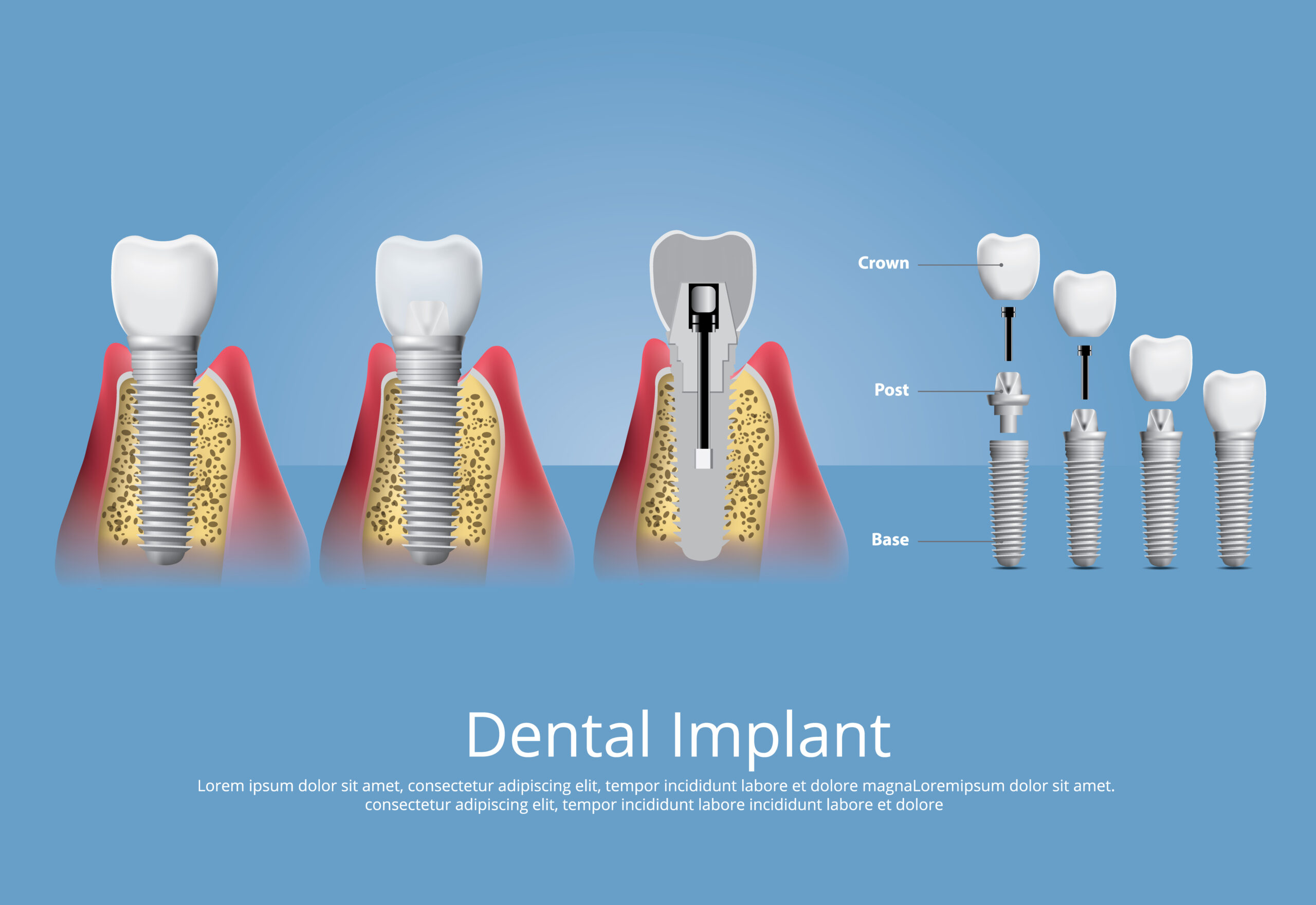
If a tooth is extracted, replacement options may include a dental implant, bridge, or removable appliance depending on the patient’s circumstances.
The appropriate choice should be determined after a dental examination.
Root Canal vs. Tooth Extraction: What’s the Difference?
A root canal and an extraction address a damaged or infected tooth in different ways.
Root canal treatment removes the infected pulp while keeping the natural tooth in place.
Tooth extraction removes the entire tooth from its socket.
When a tooth can be predictably restored, root canal treatment may provide an option for preserving it. However, extraction may sometimes be necessary when a tooth is too severely damaged or cannot be restored.
Your dentist can evaluate the tooth and explain the available treatment options.
Can a Root Canal Prevent an Extraction?
In many appropriate cases, root canal treatment is specifically performed to save a tooth that might otherwise require extraction.
However, not every tooth can be saved. The condition of the tooth, amount of remaining structure, periodontal health, cracks, infection, and other factors all influence treatment decisions.
A professional examination is necessary before determining whether root canal therapy is appropriate.
How Long Does a Root Canal Tooth Last?
A root canal-treated tooth can remain functional for many years when it is properly restored and maintained.
Long-term success depends on factors such as:
- Quality of the root canal treatment
- Adequate final restoration
- Oral hygiene
- Regular dental examinations
- Avoiding excessive forces or trauma
- Overall dental health
A tooth that has undergone root canal treatment still needs routine brushing, flossing, professional cleanings, and dental checkups.
When Should You See a Root Canal Dentist in Champaign?
Consider scheduling a dental evaluation if you experience:
- Persistent tooth pain
- Severe sensitivity
- Pain when biting
- Swollen gums
- A cracked tooth
- Deep decay
- Tooth discoloration
- A dental abscess or drainage
- Pain that keeps returning
Do not rely solely on the intensity of pain. Some dental infections can progress with relatively mild symptoms.
If you have facial swelling, difficulty breathing or swallowing, fever, or rapidly worsening symptoms, seek urgent medical attention.
Why Choose Affinity Family Dentists for Root Canals in Champaign?
Affinity Family Dentists provides dental services from its Champaign location at 2918 Crossing Ct, Ste A, Champaign, IL 61822. The office lists (217) 298-7999 as its Champaign phone number.
The Champaign team includes dentists with experience across multiple areas of general and complex dental care. Affinity Family Dentists describes its approach as patient-centered and focused on individualized treatment.
For patients experiencing tooth pain or symptoms that may indicate pulp damage, an examination can help identify the cause and determine whether root canal treatment or another dental procedure is appropriate.
Final Thoughts
A painful or sensitive tooth should not be ignored. If infection or damage has reached the pulp, root canal treatment in Champaign may provide a way to remove the infection while preserving the natural tooth.
Understanding the symptoms and seeking timely dental care can help you explore treatment options before the problem becomes more complicated.
If you are experiencing persistent tooth pain, sensitivity, swelling, or discomfort when chewing, Affinity Family Dentists in Champaign can evaluate your dental condition and discuss appropriate treatment options.
Affinity Family Dentists – Champaign
2918 Crossing Ct, Ste A
Champaign, IL 61822
Phone: (217) 298-7999