Missing teeth can affect much more than the appearance of your smile. When you lose one or more teeth, everyday activities such as eating, speaking, and smiling may become more difficult. Over time, missing teeth can also allow nearby teeth to shift out of position, which may affect your bite and overall oral health. Fortunately, dental bridges in Shelbyville offer a reliable and natural-looking way to replace missing teeth and restore your smile.
A dental bridge is a fixed dental restoration designed to fill the space left by one or more missing teeth. It typically consists of an artificial tooth, known as a pontic, supported by dental crowns placed on the neighboring teeth. Depending on your oral health and specific needs, your dentist can recommend the type of bridge that provides the best combination of function, comfort, and appearance.
What Are Dental Bridges?
Dental bridges are custom-made restorations used to replace missing teeth. Unlike removable dentures, a traditional dental bridge is permanently attached to supporting teeth, allowing it to stay securely in place while you eat, speak, and smile.
Modern dental bridges are designed to closely match the color, shape, and size of your natural teeth. This helps create a seamless appearance, making it difficult for others to notice that you have a dental restoration.
For patients looking for a convenient solution for missing teeth, a dental bridge can be an excellent option. Your dentist will examine your teeth, gums, bite, and overall oral health before determining whether a bridge is right for you.
Why Consider a Dental Bridge?
Living with missing teeth can sometimes make you feel self-conscious about your smile. You may avoid certain foods or feel uncomfortable smiling in photographs. A dental bridge can help restore both the appearance and function of your teeth.
Some of the potential benefits of dental bridges include:
- Replacing one or more missing teeth
- Restoring your ability to chew comfortably
- Improving speech affected by missing teeth
- Helping maintain the natural shape of your face
- Preventing nearby teeth from shifting into the open space
- Supporting a more balanced bite
- Improving confidence when smiling and talking
By replacing missing teeth, a dental bridge can help you feel more comfortable during your daily activities.
Types of Dental Bridges
There are several types of dental bridges available. The best choice depends on factors such as the location of the missing tooth, the condition of your surrounding teeth, and your overall oral health.
Traditional Dental Bridges:
These are among the most common types of bridges. The artificial tooth is held in place by dental crowns attached to the neighboring teeth.
Cantilever Bridges:
A cantilever bridge may be considered when there is only one suitable supporting tooth next to the missing tooth. Your dentist will determine whether this option is appropriate for your situation.
Maryland Bridges:
These bridges use a framework that is bonded to the back surfaces of nearby teeth. They may be suitable in certain areas of the mouth where less tooth preparation is preferred.
Implant-Supported Bridges:
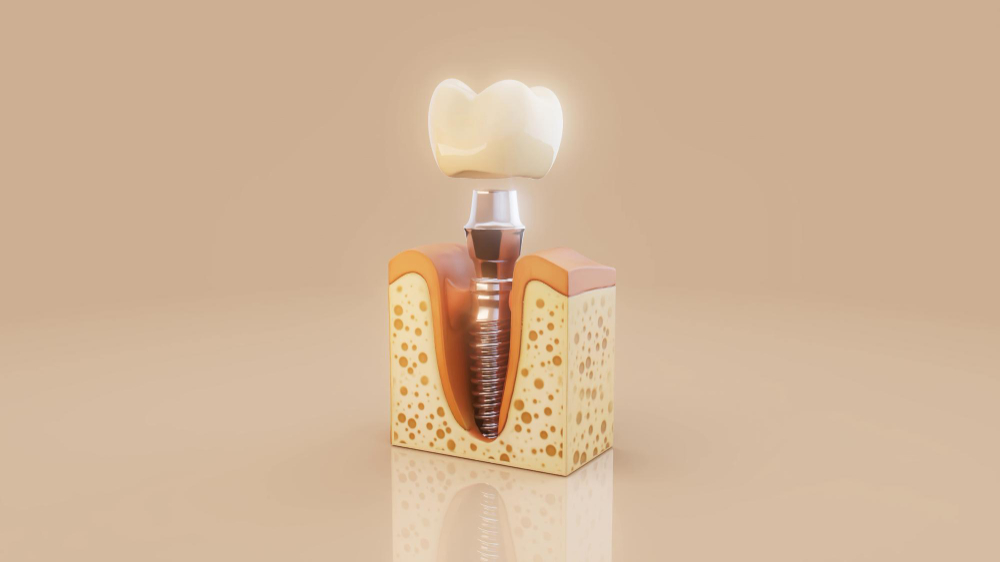
Instead of relying on natural teeth for support, implant-supported bridges are secured using dental implants. This option can be useful when multiple adjacent teeth are missing and the patient has sufficient bone support.
Your Shelbyville dentist can evaluate your smile and discuss which type of dental bridge may best meet your needs.
What Is the Dental Bridge Procedure Like?
Getting a dental bridge usually involves several steps. Your dentist will first perform a comprehensive examination to evaluate your teeth and gums. X-rays may also be taken to assess the health of the supporting teeth and surrounding bone.
If you are receiving a traditional bridge, the supporting teeth may need to be carefully prepared to accommodate the dental crowns. Your dentist will then take impressions or digital scans of your mouth. These measurements help create a bridge that fits comfortably and looks natural.
In some cases, you may receive a temporary restoration while your permanent bridge is being created. Once the custom bridge is ready, your dentist will place it and check the fit, bite, and appearance. After making any necessary adjustments, the bridge will be securely attached.
The goal is to create a restoration that feels comfortable and allows you to return to normal activities with confidence.
Are Dental Bridges Comfortable?
It is normal to experience some mild sensitivity or discomfort after receiving a dental bridge, especially if the supporting teeth have been prepared. This usually improves as your mouth adjusts to the restoration.
A properly fitted dental bridge should feel comfortable and secure. If your bridge feels loose, causes persistent pain, or affects your bite, contact your dentist for an evaluation. Sometimes a minor adjustment may be needed to improve comfort.
How Long Do Dental Bridges Last?
The lifespan of a dental bridge can vary depending on several factors, including the type of bridge, your oral hygiene routine, your diet, and the health of your supporting teeth and gums. With proper care and regular dental visits, many bridges can last for many years.
Good oral hygiene is especially important because bacteria and plaque can accumulate around the bridge and supporting teeth. Brushing twice a day, cleaning between your teeth, and following your dentist’s recommendations can help protect your restoration.
Caring for Your Dental Bridge
Taking care of your dental bridge is similar to caring for your natural teeth, but you may need to pay extra attention to the area underneath the artificial tooth.
Here are a few simple tips:
- Brush your teeth twice daily with fluoride toothpaste.
- Clean between your teeth every day.
- Use floss threaders or special bridge-cleaning tools if recommended.
- Visit your dentist regularly for checkups and professional cleanings.
- Avoid chewing extremely hard objects.
- Limit sugary foods and drinks to help protect your natural teeth.
- Contact your dentist if you notice pain, looseness, or damage.
Maintaining good oral hygiene helps keep your bridge and the surrounding teeth healthy.
Dental Bridges vs. Other Tooth Replacement Options
Dental bridges are just one option for replacing missing teeth. Depending on your needs, your dentist may also discuss dental implants or partial dentures.
Dental implants are placed into the jawbone and can provide a strong, long-term solution for replacing individual missing teeth or supporting larger restorations. Partial dentures are removable and may replace multiple missing teeth.
The right choice depends on your oral health, budget, preferences, and long-term goals. A dental professional can explain the advantages and limitations of each option so you can make an informed decision.
Why Choose a Shelbyville Dentist for Dental Bridges?
Choosing an experienced dentist is an important part of achieving a comfortable and natural-looking result. A dentist in Shelbyville can evaluate your specific needs and create a personalized treatment plan based on the condition of your teeth and gums.
Whether you have recently lost a tooth or have been living with missing teeth for years, it is never too late to explore your options. Restoring your smile can make everyday activities easier and help you feel more confident.
Restore Your Smile With Dental Bridges in Shelbyville
Missing teeth can impact your confidence, comfort, and oral health, but you do not have to live with the challenges they create. Dental bridges in Shelbyville can provide a practical and attractive way to replace missing teeth and restore your smile.
If you are considering a dental bridge, schedule a consultation with a trusted Shelbyville dentist. Your dentist can assess your oral health, explain your treatment options, and help you determine whether a dental bridge is the right solution for your smile. With the right care and regular dental visits, you can enjoy a healthier, more complete smile for years to come.