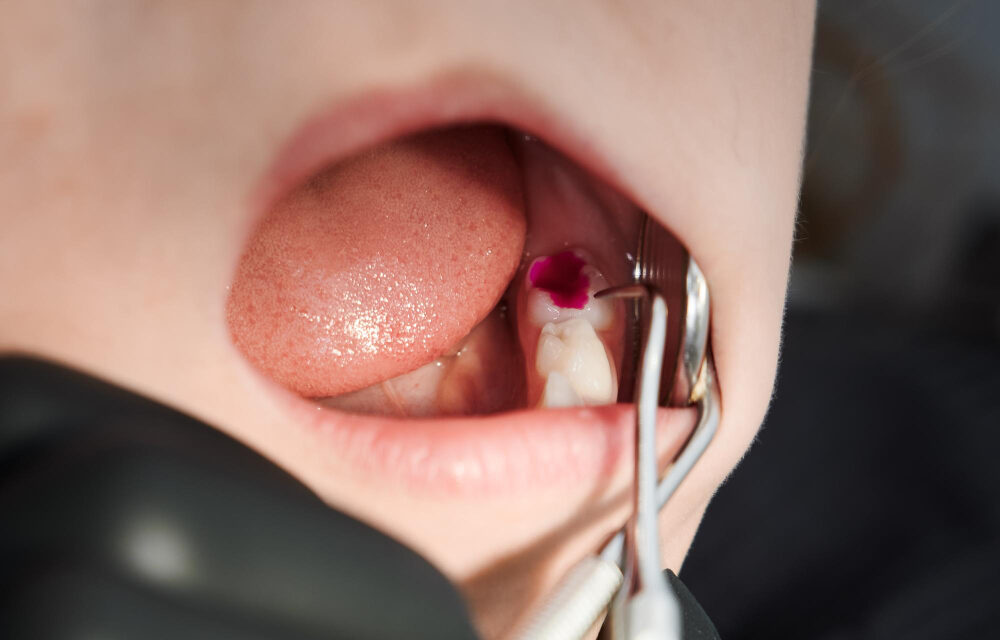
Tooth pain can make even simple daily activities uncomfortable. If you are experiencing persistent toothache, sensitivity to hot or cold foods, swelling, or discomfort while chewing, the problem may be coming from an infected or damaged tooth. Gentle root canal treatment in Peoria can help remove the source of infection while preserving your natural tooth.
A root canal is a common dental procedure designed to treat infection or inflammation inside a tooth. With modern dental techniques, treatment can be performed carefully and comfortably, helping patients feel more relaxed throughout the process.
What Is a Root Canal?
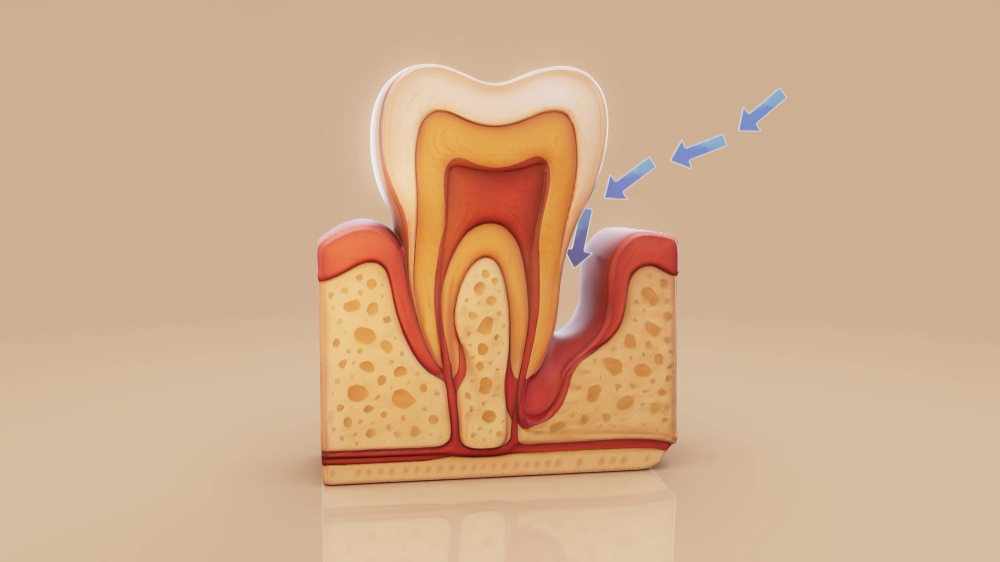
Inside every tooth is a soft area called the dental pulp, which contains nerves and blood vessels. Deep decay, cracks, trauma, or repeated dental procedures can sometimes damage this tissue. When bacteria reach the pulp, an infection may develop.
During root canal treatment, the dentist carefully removes the infected pulp, cleans and disinfects the inside of the tooth, and seals it to prevent further infection. A dental crown may then be recommended to strengthen and protect the treated tooth.
Why Choose Gentle Root Canal Treatment in Peoria?
Many people feel nervous when they hear the words “root canal.” However, modern dentistry has made the procedure much more comfortable than many patients expect.
A gentle approach focuses on patient comfort, clear communication, and careful treatment. Your dentist can explain each step before beginning and use appropriate techniques to minimize discomfort.
Choosing professional root canal treatment can also help you avoid the need for tooth extraction when the tooth can still be saved.
Common Signs You May Need a Root Canal
Not every toothache requires a root canal, but certain symptoms should be evaluated by a dentist. Common warning signs include:
- Persistent or severe tooth pain
- Sensitivity to hot or cold
- Pain when biting or chewing
- Swollen or tender gums
- A darkened or discolored tooth
- A recurring dental abscess
- A small pimple or bump on the gums
Some infections may develop with little or no pain, which is why regular dental examinations are important.
Benefits of Saving Your Natural Tooth
One of the biggest advantages of root canal treatment is that it can allow you to keep your natural tooth. Preserving a natural tooth can help maintain normal chewing function and reduce the need for more extensive tooth replacement procedures.
After the infected pulp is removed and the tooth is properly restored, it can function much like your other teeth. Following your dentist’s care instructions and maintaining good oral hygiene can help support the long-term health of the treated tooth.
What to Expect During Treatment
Before treatment begins, your dentist will examine the tooth and may take dental X-rays to understand the condition of the tooth and surrounding structures.
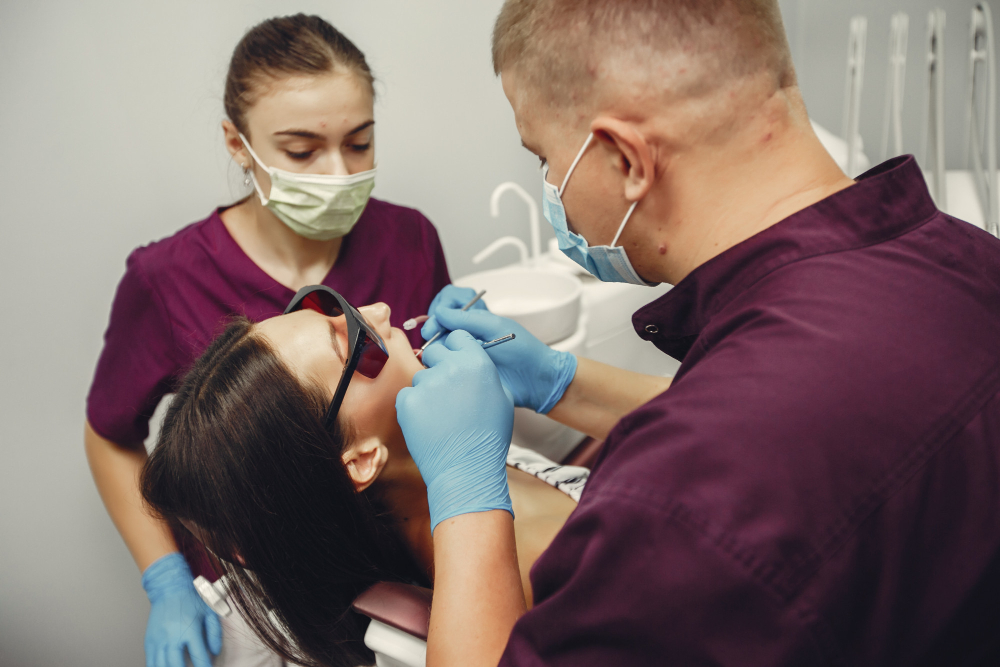
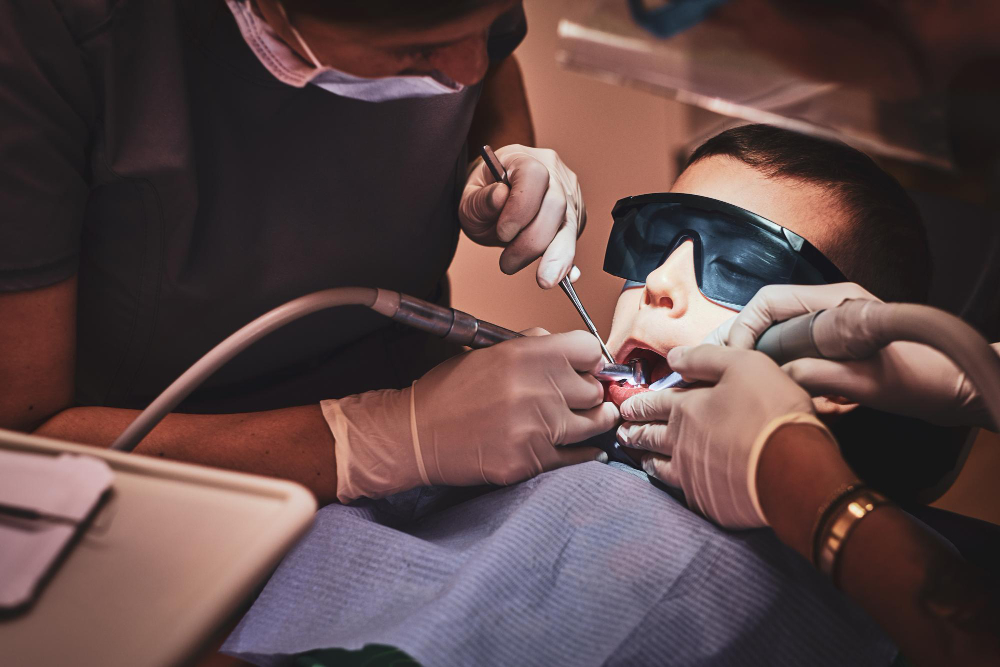
During the procedure, the area is numbed to help maintain comfort. The dentist then accesses the inside of the tooth, removes the damaged pulp, cleans the root canals, and seals them.
Depending on the condition of the tooth, a temporary restoration may be placed initially. A permanent filling or dental crown can then be used to restore the tooth and provide additional protection.
How to Care for Your Tooth After a Root Canal
After treatment, following your dentist’s instructions is important. You may experience some mild tenderness for a short period, especially when biting.
Avoid chewing hard foods on the treated tooth until your dentist recommends that it is ready for normal use. Continue brushing twice a day, flossing regularly, and attending routine dental checkups.
If you experience severe pain, increasing swelling, or other unexpected symptoms after treatment, contact your dental office promptly.
Don’t Ignore Persistent Tooth Pain
Ignoring tooth pain may allow an infection to become more serious. Early evaluation gives your dentist an opportunity to identify the cause of the problem and discuss appropriate treatment options.
If you are looking for gentle root canal treatment in Peoria, scheduling a dental examination can be an important first step toward relieving discomfort and protecting your natural smile.