Healthy gums are an essential part of a healthy smile. When gum inflammation or infection is left untreated, it can progress and affect the tissues and bone that support your teeth. If you are searching for periodontal treatments in Peoria, understanding the signs, causes, treatment options, and prevention of gum disease can help you take action early.
At Affinity Family Dentists, patients in Peoria can access comprehensive dental care, including periodontal care, at the Peoria office located at 3510 N University St, Ste C, Peoria, IL 61604.
What Is Periodontal Disease?
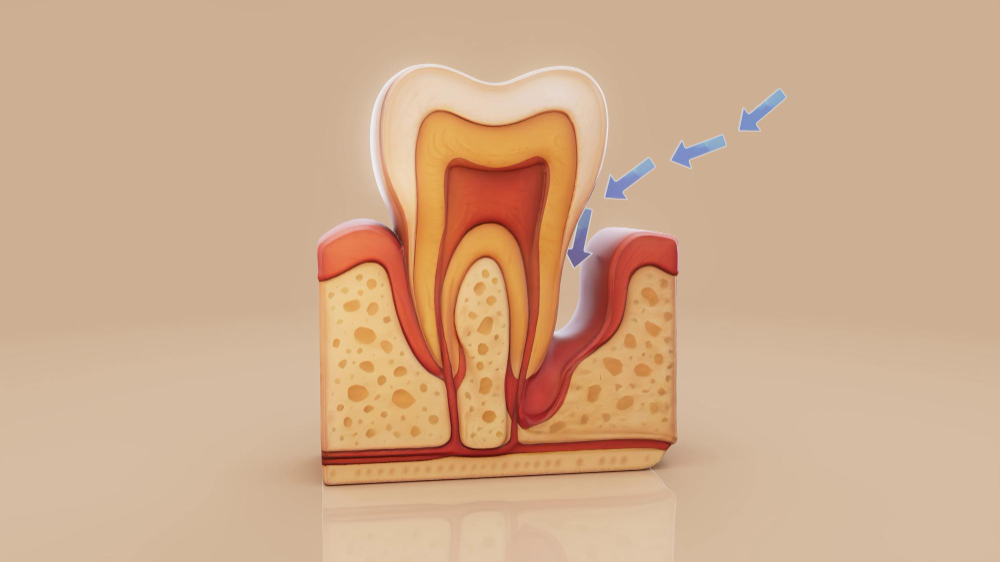
Periodontal disease, commonly called gum disease, is an infection and inflammation affecting the gums and supporting structures around the teeth. It often begins as gingivitis, which can cause red, swollen, or bleeding gums.
Without appropriate care, gum disease may progress to periodontitis. Advanced periodontal disease can contribute to gum recession, bone loss, loose teeth, and eventually tooth loss.
Early diagnosis and treatment can help protect your gums and support long-term oral health.
What Are the Common Signs of Gum Disease?
Knowing the warning signs can help you seek dental care before the condition becomes more advanced.
Common symptoms include:
- Red or swollen gums
- Bleeding while brushing or flossing
- Tender or sensitive gums
- Persistent bad breath
- Receding gums
- Changes in the way teeth fit together
- Loose or shifting teeth
- Pus around the gums
- Pain or discomfort while chewing
- Increased spaces between teeth
If you notice persistent gum bleeding or swelling, scheduling a dental evaluation is a good way to determine the underlying cause.
What Causes Periodontal Disease?
Plaque buildup is one of the primary contributors to gum disease. Plaque is a sticky film of bacteria that develops on teeth. If it is not removed through regular brushing, flossing, and professional dental cleanings, it can contribute to gum inflammation.
Other factors that may increase the risk of periodontal problems include:
Poor Oral Hygiene
Inadequate brushing and flossing can allow plaque and bacteria to accumulate around the gumline.
Tobacco Use
Smoking and other tobacco use can negatively affect gum health and increase the risk of periodontal problems.
Diabetes
Diabetes can affect the body’s ability to manage infections and may increase the risk of gum disease.
Genetics
Some people may be more susceptible to periodontal disease because of genetic factors.
Hormonal Changes
Hormonal changes can make gums more sensitive and prone to inflammation.
Irregular Dental Visits
Routine dental examinations help identify gum problems before they become more difficult to manage.
What Are Periodontal Treatments?
The appropriate periodontal treatment depends on the severity and cause of the gum condition. Your dentist will evaluate your gums, teeth, and overall oral health before recommending a treatment plan.
Common approaches may include:
Professional Dental Cleaning
For early gum inflammation, a professional dental cleaning can help remove plaque and tartar buildup that regular brushing cannot completely eliminate.
Scaling and Root Planing
For patients with more significant gum disease, scaling and root planing may be recommended. This deep-cleaning procedure removes plaque and tartar from below the gumline and smooths the tooth root surfaces.
Improved At-Home Oral Hygiene
Your dental professional may recommend specific brushing, flossing, or other oral hygiene techniques to help control plaque between appointments.
Periodontal Maintenance
Patients who have experienced gum disease may need ongoing periodontal maintenance and regular dental visits to help monitor gum health and reduce the likelihood of recurrence.
Additional Periodontal Care
More advanced periodontal conditions may require additional treatment depending on the extent of gum inflammation, infection, bone loss, or tissue damage. Your dentist can determine whether additional periodontal or specialist care is appropriate.
Why Early Periodontal Treatment Matters
Treating gum disease early can help protect the structures that support your teeth. Delaying treatment may allow inflammation and infection to progress.
Early periodontal care may help:
- Control gum inflammation
- Reduce plaque and tartar buildup
- Protect the tissues supporting your teeth
- Reduce the risk of tooth loss
- Improve gum health
- Support better overall oral hygiene
- Maintain a healthier smile
Regular dental examinations are important because gum disease does not always cause noticeable discomfort in its early stages.
How Is Gum Disease Diagnosed?
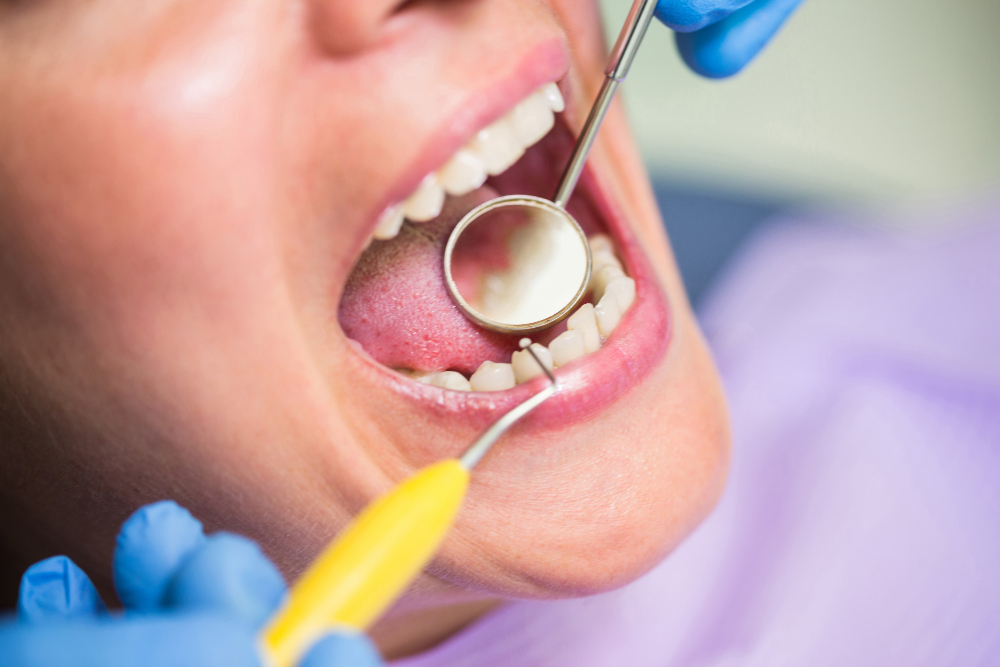
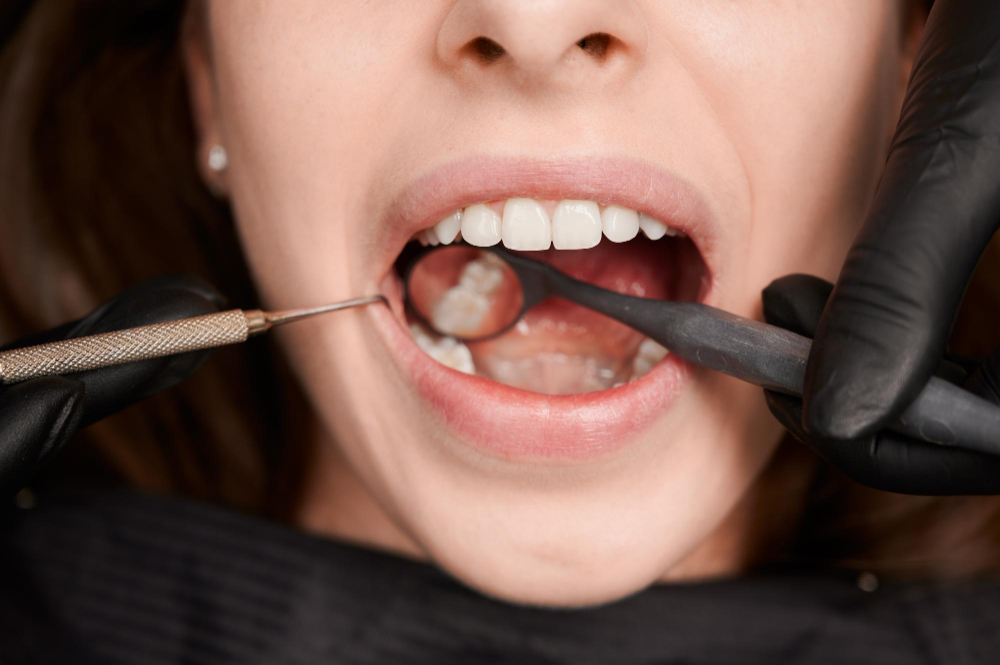
During a dental examination, your dentist may evaluate the condition of your gums and look for signs of inflammation, bleeding, recession, or pockets around the teeth.
Depending on your individual needs, your dental visit may include:
- Examination of the gums
- Evaluation of plaque and tartar buildup
- Measurement of periodontal pockets
- Examination of tooth mobility
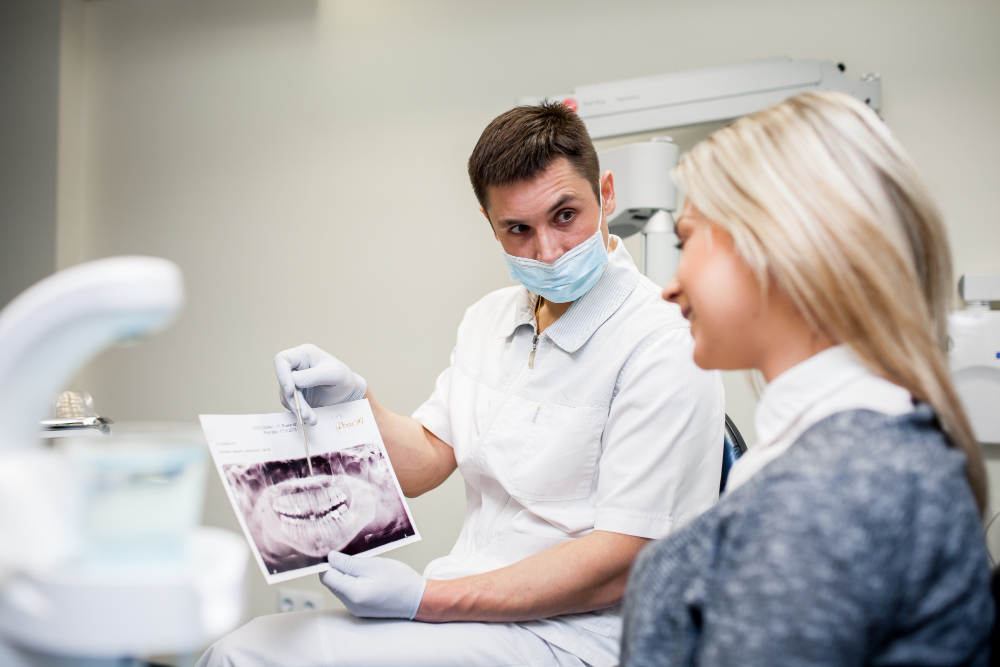
- Dental X-rays when necessary
- Review of your oral hygiene habits
Based on the findings, your dentist can recommend an appropriate treatment approach.
How Can You Prevent Periodontal Disease?
Good daily oral hygiene is an important part of preventing gum disease.
Brush Twice a Day
Brush your teeth for about two minutes twice a day using fluoride toothpaste.
Floss Daily
Flossing helps remove plaque and food particles from areas between your teeth that a toothbrush may not reach effectively.
Schedule Regular Dental Visits
Professional cleanings and examinations can help identify plaque buildup and early gum problems.
Avoid Tobacco Products
Avoiding tobacco can support healthier gums and overall oral health.
Maintain a Balanced Diet
A nutritious diet can support your teeth, gums, and general health.
Pay Attention to Gum Changes
Bleeding, swelling, persistent bad breath, or gum recession should not be ignored. Talk with a dental professional if these symptoms continue.
Periodontal Treatments in Peoria for Long-Term Gum Health
If you are looking for periodontal treatments in Peoria, choosing a dental practice that provides comprehensive oral care can make it easier to address gum health as part of your overall dental treatment.
Affinity Family Dentists provides dental care for patients in Peoria, including periodontal care. The Peoria office is located at 3510 N University St, Ste C, Peoria, IL 61604, and the listed phone number is (309) 271-7777.
Conclusion
Healthy gums are an important foundation for a healthy smile. Recognizing the early signs of gum disease and seeking professional dental care can help prevent periodontal problems from becoming more advanced.
Whether you have bleeding gums, swelling, bad breath, gum recession, or concerns about your oral health, periodontal treatments in Peoria can provide an opportunity to identify the problem and develop an appropriate care plan. With consistent professional care and good oral hygiene at home, you can take important steps toward maintaining healthy gums and teeth.