A persistent toothache, sensitivity to hot or cold, swelling, or pain while chewing can sometimes indicate a problem deep inside a tooth. When the pulp inside a tooth becomes infected or severely damaged, root canal treatment may be recommended to remove the infection, relieve symptoms, and preserve the natural tooth.
If you are searching for root canals in Champaign, understanding the signs, treatment process, benefits, recovery, and cost factors can help you make an informed decision about your dental care.
Affinity Family Dentists provides comprehensive dental care at its Champaign office, located at 2918 Crossing Ct, Ste A, Champaign, IL 61822. The office can be reached at (217) 298-7999.
What Is a Root Canal?
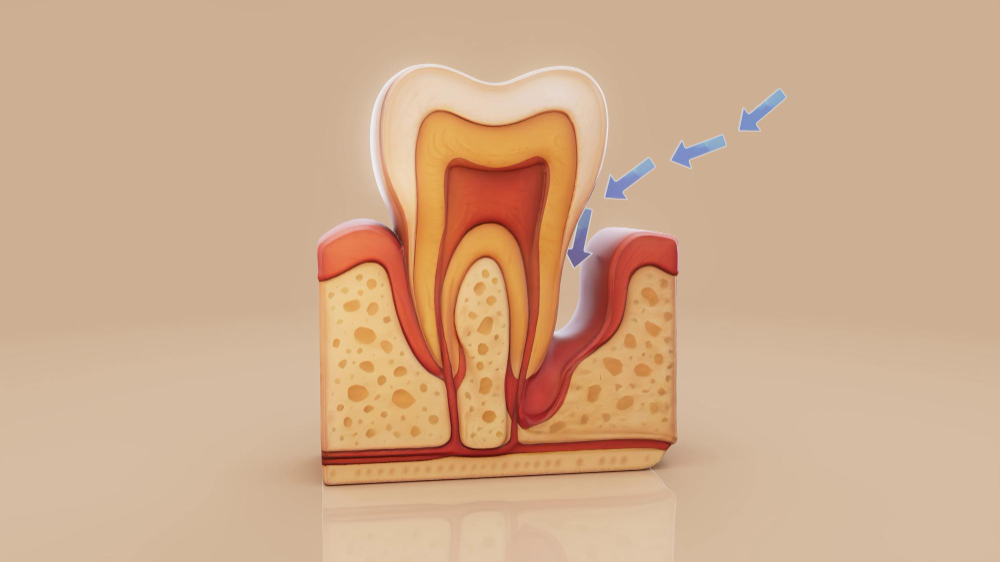
A root canal is a dental treatment used to treat infection or inflammation affecting the soft tissue, or pulp, inside a tooth.
The pulp contains nerves and blood vessels. When deep decay, a crack, trauma, or another dental problem allows bacteria to reach the pulp, the tooth can become painful or infected.
During root canal treatment, the dentist removes the affected pulp, cleans and disinfects the inside of the tooth, and seals the space. A dental restoration, such as a crown, may then be recommended to help protect the treated tooth.
The primary goal is to save the natural tooth rather than remove it.
When Do You Need a Root Canal in Champaign?
Not every toothache requires a root canal. A dentist needs to examine the tooth and determine the underlying cause of the symptoms.
Common signs that may indicate the need for root canal treatment include:
- Persistent or severe tooth pain
- Sensitivity to hot or cold that lingers
- Pain when biting or chewing
- Swelling around the affected tooth
- Tender or swollen gums
- A darkened or discolored tooth
- A pimple or bump on the gums
- A deep cavity
- A cracked or damaged tooth
- Previous trauma to the tooth
Sometimes an infected tooth may cause few noticeable symptoms. This is why regular dental examinations are important even when you are not experiencing significant pain.
What Causes a Tooth to Need a Root Canal?
Several dental problems can damage the pulp and eventually lead to infection.
Deep Tooth Decay
Untreated cavities can progress deeper into the tooth. When decay reaches the pulp, the tissue can become inflamed or infected.
Cracked or Damaged Teeth
A crack can allow bacteria to enter the inner portion of the tooth. Depending on the severity and location of the crack, root canal treatment may be one part of the recommended treatment plan.
Dental Trauma
An injury to a tooth can damage the pulp even if the tooth does not immediately appear broken.
Repeated Dental Procedures
Multiple procedures involving the same tooth may sometimes contribute to pulp irritation or damage.
A professional examination is necessary to determine the specific cause of a tooth problem.
What Happens During Root Canal Treatment?
Many patients are concerned about what a root canal appointment will involve. Understanding the process can make the experience feel more manageable.
1. Dental Examination
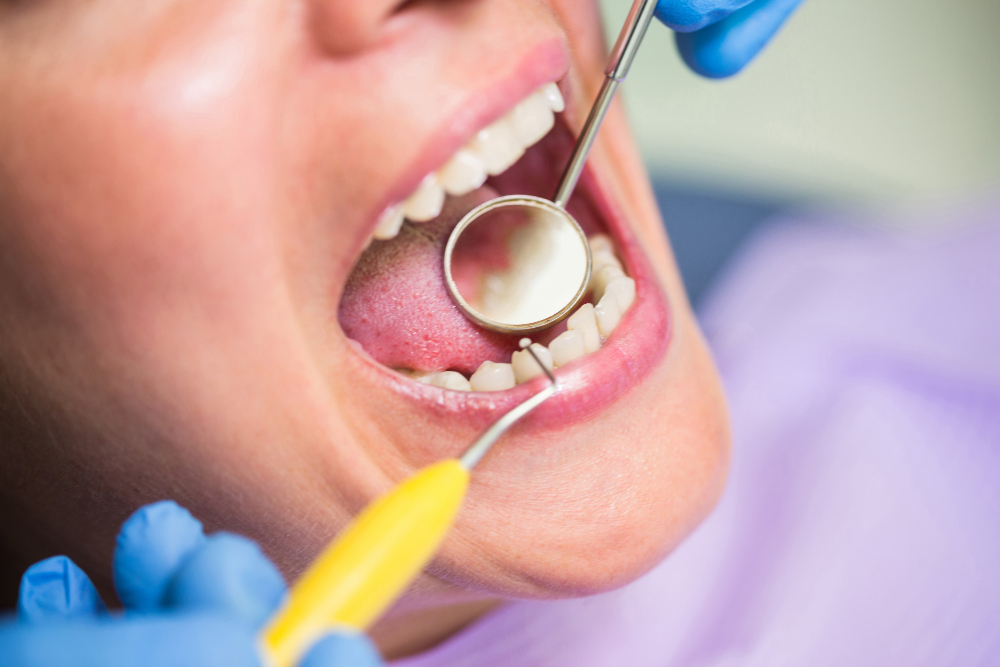
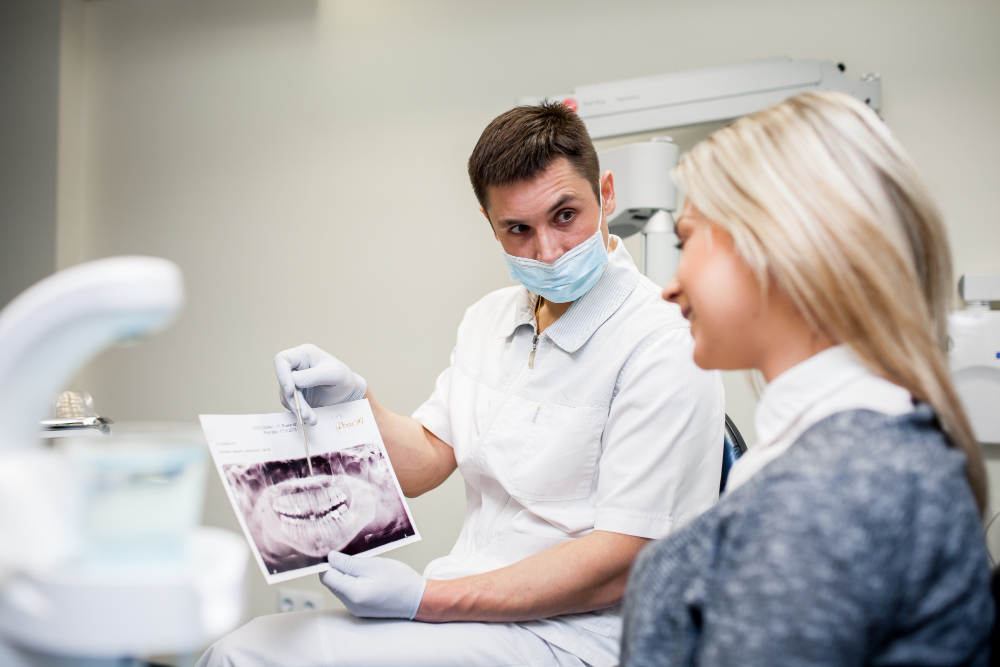
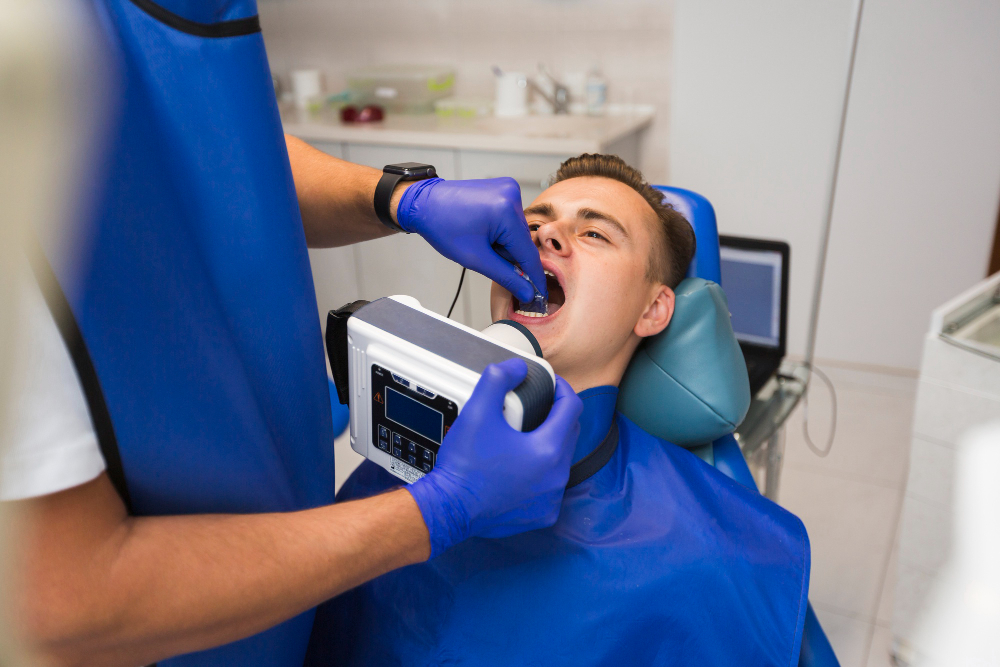
The dentist examines the tooth and surrounding tissues. Diagnostic imaging may be used to evaluate the roots and surrounding bone.
2. Local Anesthesia
Local anesthesia is generally used to numb the area being treated.
3. Accessing the Tooth
The dentist creates a small opening in the tooth to access the infected or damaged pulp.
4. Removing the Damaged Pulp
The affected pulp tissue is carefully removed from inside the tooth.
5. Cleaning and Disinfecting
The root canal spaces are cleaned and shaped to remove bacteria and infected material.
6. Sealing the Tooth
After cleaning, the canals are filled and sealed to help prevent bacteria from entering again.
7. Restoring the Tooth
Depending on the condition and location of the tooth, a filling or dental crown may be recommended to restore its function and protect the remaining tooth structure.
Does a Root Canal Hurt?
One of the most common questions patients ask when searching for root canal treatment in Champaign is whether the procedure is painful.
Modern dental techniques and local anesthesia are used to make root canal treatment as comfortable as possible. Some soreness or sensitivity can occur after treatment, but your dentist can provide appropriate aftercare instructions based on your individual situation.
It is also important to remember that untreated dental infection can cause significant pain and may become more complicated over time.
How Long Does a Root Canal Take?
Treatment time varies according to several factors, including:
- Which tooth requires treatment
- The number of roots and canals
- The severity of infection
- The complexity of the tooth
- Whether additional dental treatment is required
Some root canal treatments can be completed in one appointment, while more complex cases may require additional visits.
Your dentist can provide a more accurate treatment timeline after examining your tooth.
What Happens After a Root Canal?
After treatment, the tooth may feel sensitive or tender for a short period. Following your dentist’s instructions can help support recovery.
You may be advised to:
- Avoid chewing hard foods on the treated tooth until it is fully restored
- Maintain regular brushing and flossing
- Follow any medication instructions provided by your dentist
- Attend a follow-up appointment if recommended
- Have a permanent restoration placed when necessary
If severe pain, swelling, or other concerning symptoms develop after treatment, contact your dental office promptly.
Why Is a Crown Sometimes Recommended After a Root Canal?
A root canal removes infected pulp and preserves the tooth, but the tooth may still require additional protection.
A dental crown can help restore the tooth’s shape and function and protect remaining tooth structure. Whether you need a crown depends on factors such as the tooth’s location, the amount of remaining structure, and the extent of damage.
Affinity Family Dentists also provides restorative dental care, including crown-related treatments, at its Champaign location.
Root Canal vs. Tooth Extraction
When a tooth has extensive damage or infection, patients may wonder whether they should have a root canal or extraction.
A root canal focuses on preserving the natural tooth by removing infected pulp and sealing the tooth.
An extraction removes the affected tooth entirely. If a tooth is extracted, replacement options such as a dental implant, bridge, or denture may be considered depending on the patient’s needs.
The appropriate treatment depends on the condition of the tooth, surrounding tissues, overall oral health, and other clinical factors.
How Much Does a Root Canal Cost in Champaign?
The cost of a root canal in Champaign can vary considerably from patient to patient.
Factors that may affect the total cost include:
- The tooth being treated
- Complexity of the root canal
- Severity of infection
- Diagnostic imaging
- Additional procedures
- Type of final restoration
- Dental insurance benefits
- Financing or payment options
Because every dental situation is different, it is better to request a personalized estimate after an examination rather than relying on a general online price.
Patients can also ask their dental office about insurance coverage and available payment options before beginning treatment.
How Can You Avoid Needing a Root Canal?
Although not every root canal can be prevented, good oral hygiene and regular dental care can help reduce the risk of serious tooth decay and other dental problems.
Consider these habits:
- Brush twice a day with fluoride toothpaste
- Floss or clean between your teeth daily
- Limit frequent sugary snacks and drinks
- Wear a mouthguard during contact sports
- Avoid using your teeth to open packages
- Schedule regular dental examinations
- Treat cavities before they become deeper
- Seek dental care when persistent tooth pain develops
Early treatment can sometimes prevent a small dental problem from becoming more complicated.
When Should You See a Root Canal Dentist in Champaign?
Consider scheduling a dental evaluation if you experience:
- Persistent tooth pain
- Severe sensitivity
- Pain when biting
- Facial or gum swelling
- A broken or cracked tooth
- A darkened tooth
- Signs of infection
- A recurring dental abscess
If you have significant swelling, fever, difficulty swallowing or breathing, or rapidly worsening symptoms, seek urgent medical or dental attention.
Why Choose Affinity Family Dentists for Dental Care in Champaign?
Affinity Family Dentists has a Champaign location at 2918 Crossing Ct, Ste A, Champaign, IL 61822. The practice lists its Champaign phone number as (217) 298-7999 and offers comprehensive dental care.
The Champaign team includes Dr. Srinivas Durshanapalli and Dr. Chebolu, with the practice describing a patient-focused approach to dental care.
If you are looking for a root canal dentist in Champaign, IL, Affinity Family Dentists can evaluate your symptoms, determine the condition of the affected tooth, and discuss appropriate treatment options.
Root Canal Treatment in Champaign: What to Expect
A root canal does not necessarily mean losing a tooth. In appropriate cases, root canal treatment can address infection or inflammation inside a tooth while allowing the natural tooth to remain in place.
The first step is a professional dental examination. Your dentist can evaluate your symptoms, examine the affected tooth, use diagnostic imaging when appropriate, and explain whether root canal treatment or another option is suitable.
If you are experiencing persistent tooth pain or other symptoms associated with an infected tooth, contacting a Champaign root canal dentist sooner rather than later can help you understand your treatment options.
Conclusion
Root canal treatment can be an important option for treating an infected or severely damaged tooth while preserving natural tooth structure. Recognizing symptoms early and getting a professional dental evaluation can help you understand the cause of your discomfort and the available treatment options.
For patients searching for root canals in Champaign, root canal treatment in Champaign IL, or a root canal dentist near Champaign, Affinity Family Dentists provides dental care from its Champaign office at 2918 Crossing Ct, Ste A.