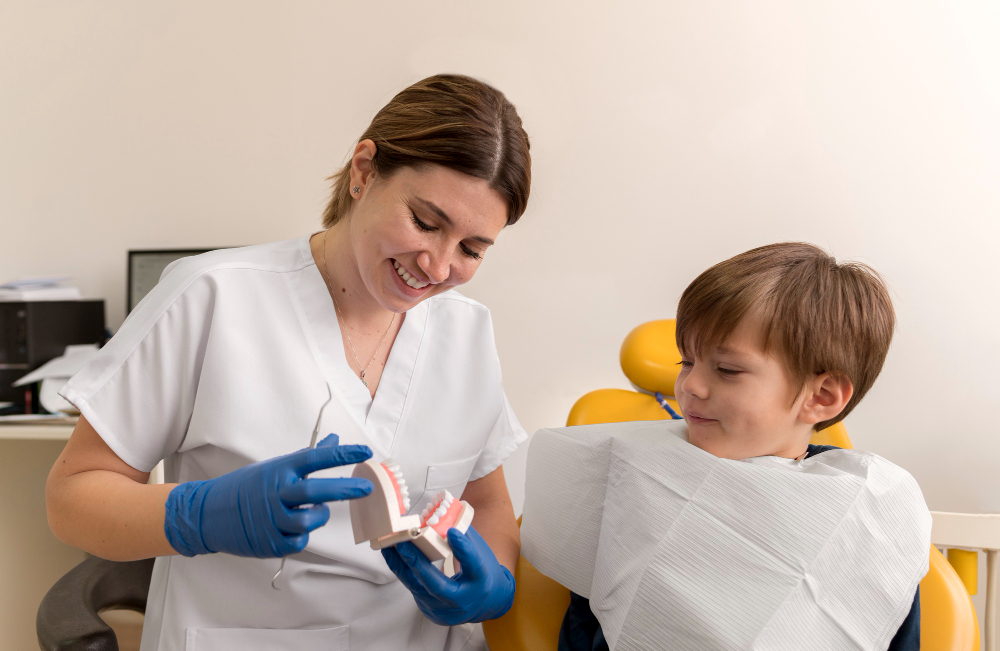
Dental emergencies can happen unexpectedly. A sudden toothache, broken tooth, knocked-out tooth, or severe swelling can make it difficult to eat, sleep, or continue with your daily activities. In these situations, getting prompt dental care is important to relieve discomfort and prevent a minor dental problem from becoming more serious.
If you are looking for an Emergency Dentist in Peoria, professional emergency dental care can help you address urgent dental concerns quickly and safely. An experienced emergency dentist can evaluate your symptoms, identify the cause of the problem, and recommend the appropriate treatment based on your condition.
What Is a Dental Emergency?
A dental emergency is any dental problem that requires immediate attention to relieve severe pain, stop bleeding, prevent further damage, or protect your oral health. While some dental issues can wait for a regular appointment, others should be treated as soon as possible.
Common dental emergencies include:
- Severe or persistent toothache
- Chipped or broken teeth
- Knocked-out teeth
- Loose or displaced teeth
- Dental abscesses or infections
- Excessive swelling around the mouth or face
- Injuries to the gums or soft tissues
- Lost or damaged dental fillings
- Broken dental crowns or bridges
- Severe sensitivity after an injury
If you experience any of these problems, contacting an emergency dentist in Peoria can help you determine the next steps.
Common Reasons to Visit an Emergency Dentist in Peoria
Severe Tooth Pain
A sudden or intense toothache can be caused by tooth decay, infection, a damaged filling, or an injury. Pain that continues or becomes worse should not be ignored. Emergency dental care can help identify the underlying cause and provide appropriate treatment.
Broken or Cracked Tooth
A tooth can break or crack due to an accident, biting down on something hard, or weakened tooth structure. Depending on the severity of the damage, treatment may include a dental filling, bonding, crown, or another restorative procedure.
Knocked-Out Tooth
A knocked-out permanent tooth is a serious dental emergency. Getting professional care quickly may improve the chances of saving the tooth. If possible, keep the tooth clean and avoid touching the root while seeking immediate dental assistance.
Dental Infection
A dental infection can cause pain, swelling, sensitivity, fever, or a bad taste in the mouth. Without treatment, an infection may become more severe. An emergency dentist can examine the affected area and recommend appropriate treatment.
Swelling and Dental Abscess
Swelling around the gums, jaw, or face may indicate an infection or abscess. This condition should be evaluated promptly, especially if you have difficulty swallowing or breathing. Immediate medical attention may be necessary in severe cases.
Lost Filling or Crown
A lost filling or dental crown can expose the affected tooth and cause sensitivity or discomfort. Emergency dental care can help protect the tooth and determine whether the restoration can be repaired or needs replacement.
Why Choose Emergency Dental Care?
When a dental problem occurs unexpectedly, waiting several days for a regular appointment may not always be the best option. Emergency dental care focuses on addressing urgent problems as quickly as possible.
An emergency dentist can help with:
- Rapid evaluation of dental pain
- Diagnosis of urgent dental conditions
- Treatment of dental injuries
- Management of infections and swelling
- Repair of broken or damaged teeth
- Relief from severe dental discomfort
- Guidance on preventing further dental damage
The goal is to stabilize the problem, relieve symptoms, and protect your long-term oral health.
What to Do During a Dental Emergency
Knowing what to do before reaching the dentist can help minimize further damage. If you experience a dental emergency, try to remain calm and contact a dental office as soon as possible.
For a knocked-out tooth, gently pick it up by the crown and avoid touching the root. If it is dirty, carefully rinse it with water without scrubbing. Keep it moist and seek immediate professional care.
For a broken or chipped tooth, save any broken pieces if possible and rinse your mouth gently with water. A cold compress placed outside the mouth may help reduce swelling.
If you have severe tooth pain, avoid placing aspirin directly on your gums or tooth, as this can irritate the tissue. Instead, contact an emergency dentist for professional advice and treatment.
How an Emergency Dentist Can Help
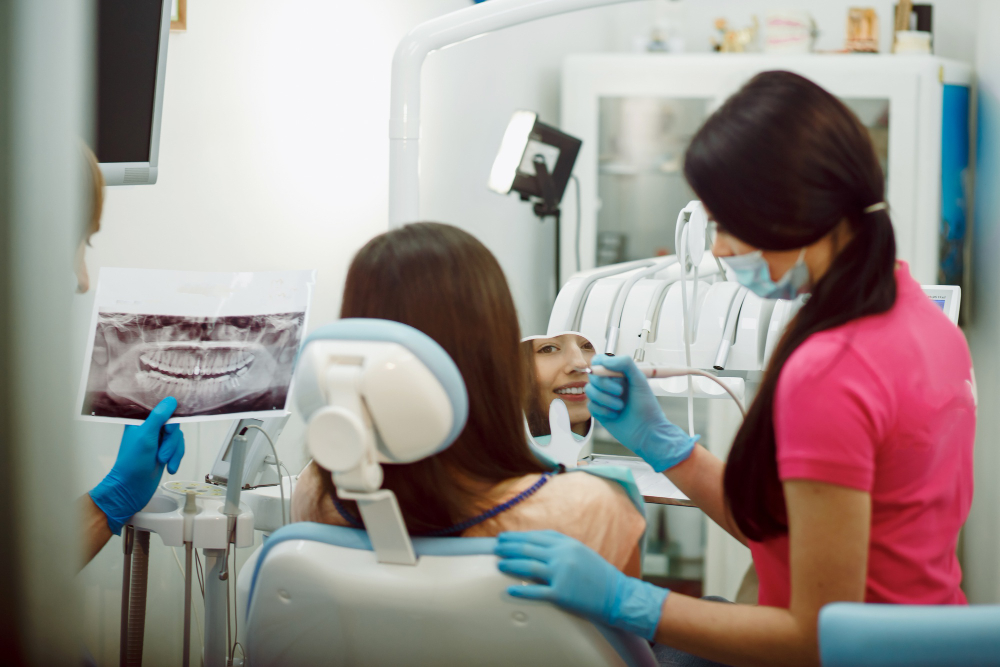
When you arrive for an emergency dental visit, the dentist will typically examine your teeth, gums, and surrounding tissues. X-rays or other diagnostic procedures may be recommended to understand the cause of the problem.
Treatment depends on the specific situation. Depending on your needs, emergency dental care may include:
- Emergency tooth extraction
- Root canal treatment
- Dental fillings
- Temporary or permanent crowns
- Treatment for dental infections
- Repair of chipped or broken teeth
- Management of dental trauma
- Treatment for gum-related emergencies
Your dentist will explain the available options and help you choose the most appropriate treatment.
Preventing Future Dental Emergencies
Although not every dental emergency can be prevented, good oral hygiene and regular dental checkups can reduce your risk. Brush your teeth twice a day with fluoride toothpaste and floss regularly to help maintain healthy teeth and gums.
You should also avoid chewing hard objects such as ice or pens, and wear a mouthguard when participating in contact sports. Regular dental visits can help identify cavities, weakened teeth, and other problems before they develop into emergencies.
Get Emergency Dental Care in Peoria
Dental emergencies should not be ignored, especially when you experience severe pain, swelling, bleeding, or a serious dental injury. Getting timely care from an Emergency Dentist in Peoria can help relieve discomfort, address the underlying problem, and protect your oral health.
If you are experiencing a dental emergency, contact a trusted dental professional as soon as possible. Prompt evaluation and treatment can make a significant difference in managing urgent dental problems and getting you back to your normal routine.