Wisdom teeth, also known as third molars, are the last set of teeth to develop in the mouth. They usually appear during the late teenage years or early adulthood. While some people have enough room for their wisdom teeth to grow normally, others may experience pain, swelling, infection, or damage to nearby teeth. When wisdom teeth do not have enough space to erupt properly, extraction may be recommended to protect your oral health.
If you are looking for wisdom teeth extraction in Champaign, understanding the procedure and knowing what to expect can help you feel more comfortable and prepared. A professional dental evaluation can determine whether your wisdom teeth need to be removed or whether they can be safely monitored.
What Are Wisdom Teeth?
Wisdom teeth are the third and final molars located at the back of your upper and lower jaws. Most people develop four wisdom teeth, although some may have fewer or none at all.
When these teeth grow correctly and there is enough room in the jaw, they may not cause any problems. However, wisdom teeth often become impacted, meaning they are unable to fully emerge through the gums. They may grow at an angle, remain partially covered by gum tissue, or become trapped beneath the bone.
Because of their location at the very back of the mouth, wisdom teeth can also be difficult to clean properly. This can increase the risk of cavities, gum disease, and infection.
Why Might Wisdom Teeth Need to Be Removed?
Not every wisdom tooth requires extraction. Your dentist may recommend removal when the tooth is causing problems or is likely to create complications in the future.
Common reasons for wisdom teeth extraction include:
- Persistent pain or discomfort
- Impacted wisdom teeth
- Swollen or infected gums
- Repeated gum infections around the tooth
- Tooth decay that is difficult to treat
- Damage to nearby teeth
- Cysts or other abnormalities
- Crowding or pressure on neighboring teeth
- Difficulty maintaining proper oral hygiene
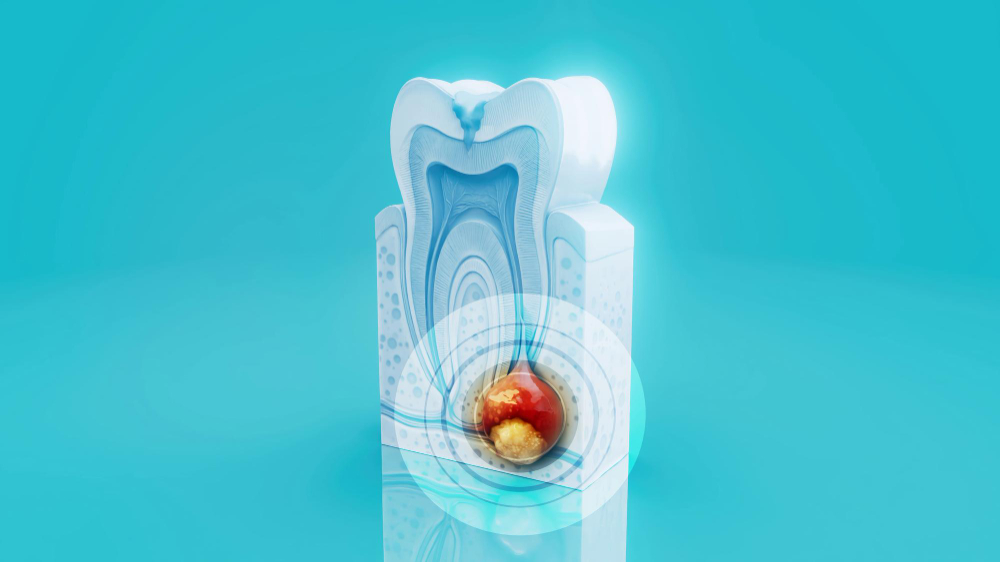
In some cases, a wisdom tooth may only partially erupt. Food and bacteria can become trapped around the gum tissue, leading to inflammation and infection. Removing the problematic tooth can help prevent recurring issues.
Signs You May Need Wisdom Teeth Extraction
Wisdom teeth problems can develop gradually, so it is important to pay attention to changes in your mouth. You may need a dental evaluation if you experience pain or pressure at the back of your jaw.
Other signs may include redness, swelling, tenderness, bad breath, an unpleasant taste, difficulty opening your mouth, or discomfort when chewing. Some people may not experience any symptoms at all, even when their wisdom teeth are impacted.
Regular dental checkups and dental X-rays can help your dentist identify wisdom teeth problems before they become more serious.
What Happens During a Wisdom Teeth Extraction?
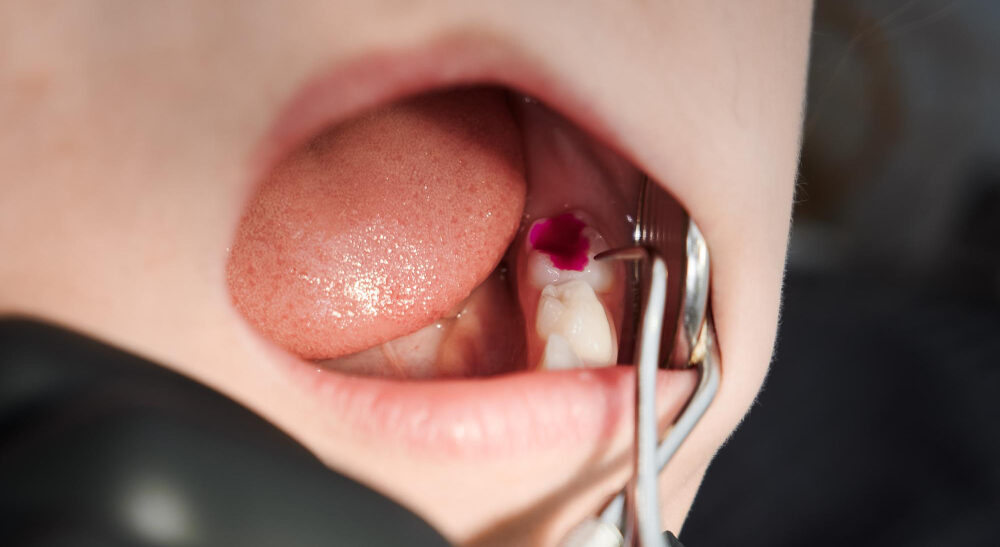
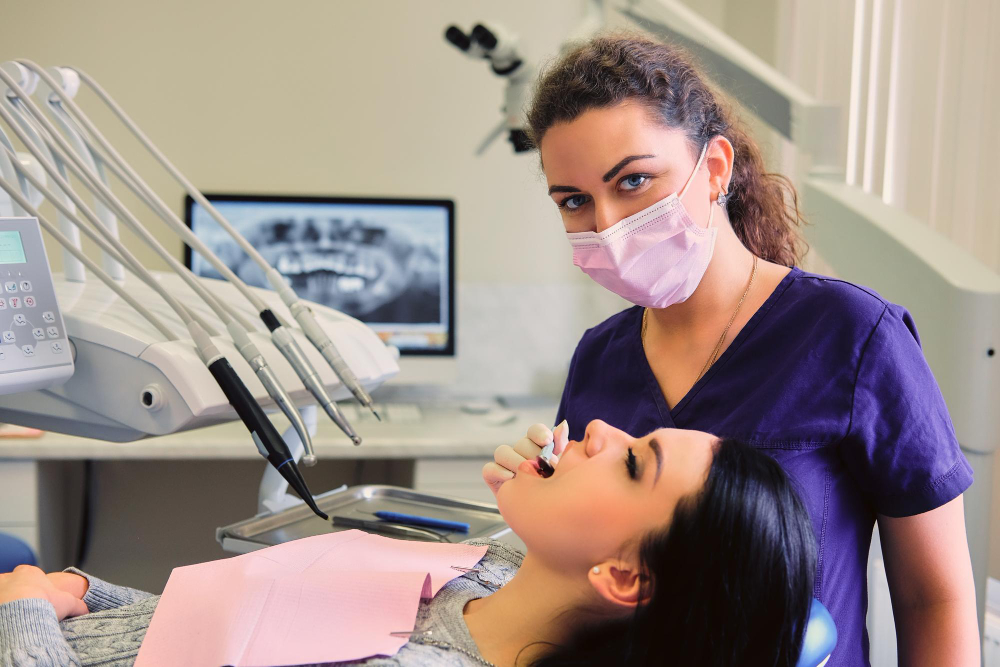
The first step is a thorough examination of your teeth and gums. Your dentist may take X-rays to understand the position of your wisdom teeth and determine whether they are impacted.
The extraction process depends on the position and condition of the tooth. A fully erupted wisdom tooth may be removed in a similar way to a regular tooth. An impacted tooth may require a surgical extraction, where the dentist carefully accesses the tooth through the gum and removes it safely.
Before the procedure begins, the dental team will discuss the appropriate anesthesia or sedation options based on your treatment needs and overall comfort. The goal is to make the experience as safe and comfortable as possible.
Preparing for Wisdom Teeth Removal
Following your dentist’s instructions before the procedure can make the recovery process easier. Depending on the type of anesthesia or sedation being used, you may need to follow specific instructions regarding eating and drinking.
It is also a good idea to arrange transportation if you are receiving sedation that affects your ability to drive. Prepare soft foods at home and make sure you have time to rest after the procedure.
If you take medications or have any medical concerns, tell your dental provider before treatment so they can plan your care appropriately.
Recovery After Wisdom Teeth Extraction
Some swelling, soreness, and mild discomfort are common after wisdom tooth removal. The recovery period can vary depending on how complicated the extraction was and how many teeth were removed.
Your dentist will provide personalized aftercare instructions. Generally, patients are advised to rest and avoid strenuous activity immediately after the procedure. Applying a cold compress to the outside of the cheek may help with swelling during the first day.
Eating soft foods can make mealtimes more comfortable while your mouth heals. You should also follow your dentist’s instructions regarding oral hygiene and avoid activities that could disturb the healing area.
How to Protect Your Mouth After Extraction
Proper aftercare plays an important role in a smooth recovery. Avoid touching the extraction site unnecessarily and follow all instructions provided by your dental team.
You may be advised to avoid smoking or using tobacco products during the healing period because they can interfere with recovery. It is also important to follow your dentist’s recommendations about rinsing your mouth and brushing near the extraction site.
If you experience unusual or worsening pain, significant swelling, persistent bleeding, fever, or other concerning symptoms, contact your dental office promptly.
Why Choose Professional Wisdom Teeth Extraction in Champaign?
Choosing an experienced dental provider for wisdom teeth extraction can help ensure that your treatment is carefully planned around your individual needs. Every patient is different, and the position of the wisdom teeth, the condition of surrounding teeth, and your overall oral health can all affect the recommended approach.
A professional dental team can evaluate your condition, explain your treatment options, answer your questions, and provide guidance throughout the extraction and recovery process.
If you are experiencing wisdom tooth pain or have been told that your wisdom teeth may be impacted, scheduling a dental evaluation in Champaign can be an important step toward protecting your oral health. Early evaluation may help identify potential problems and determine whether extraction or monitoring is the right choice for you.
Final Thoughts
Wisdom teeth extraction is a common dental procedure that can help prevent or address problems caused by impacted, infected, or damaged third molars. While the idea of having a tooth removed may feel overwhelming, understanding the process and following your dentist’s aftercare instructions can make the experience much easier.
If you are searching for wisdom teeth extraction in Champaign, consider scheduling a consultation with a trusted dental professional. A thorough examination can help determine the condition of your wisdom teeth and whether removal is necessary for maintaining a healthy, comfortable smile.