Tooth pain can be difficult to ignore, especially when it starts affecting your sleep, meals, work, or daily routine. If you are experiencing persistent tooth pain, sensitivity to hot or cold foods, swelling, or discomfort while chewing, you may have an infection or inflammation inside the tooth. In many cases, root canal treatment in Peoria can help relieve the pain, remove the infection, and save your natural tooth.
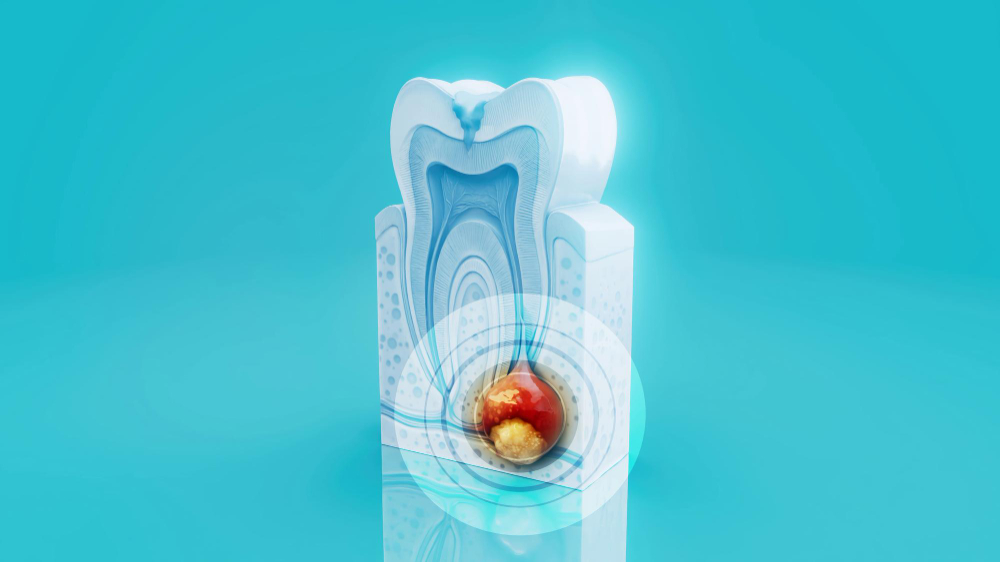
A root canal is a common dental procedure designed to treat problems affecting the innermost part of a tooth, known as the pulp. When bacteria reach this area because of deep decay, cracks, trauma, or repeated dental procedures, the pulp can become infected or inflamed. Without treatment, the infection may spread and cause an abscess or damage the surrounding tissues.
The good news is that modern root canal treatment is designed with patient comfort in mind. With proper diagnosis, local anesthesia, and advanced dental technology, the procedure is generally much more comfortable than many people expect.
What Is Root Canal Treatment?
Inside every tooth is a soft area called the pulp, which contains nerves and blood vessels. When the pulp becomes infected or severely inflamed, it can cause significant discomfort. A root canal treatment removes the damaged pulp, cleans and disinfects the inside of the tooth, and seals it to help prevent further infection.
The goal is simple: save your natural tooth whenever possible.
Instead of removing the entire tooth, root canal treatment allows your dentist to preserve the healthy outer structure. After the treatment, the tooth can often be restored with a dental crown or another suitable restoration, helping you return to normal eating and smiling.
Common Reasons You May Need a Root Canal
There are several reasons why a dentist may recommend root canal treatment. One of the most common is deep tooth decay. When a cavity is left untreated for too long, bacteria can travel deeper into the tooth and reach the pulp.
Other causes may include:
- A deep cavity or severe tooth decay
- A cracked or fractured tooth
- An injury or trauma to the tooth
- Repeated dental procedures on the same tooth
- Damage to the tooth caused by wear or grinding
- An infection or dental abscess
- Inflammation of the tooth pulp
Sometimes, a tooth that needs root canal treatment may not cause obvious pain. This is why regular dental checkups are important. Your dentist can identify signs of infection or damage before the problem becomes more serious.
Signs You May Need Root Canal Treatment
Tooth pain can have many causes, so only a dental professional can determine whether a root canal is necessary. However, certain symptoms may indicate a problem deep inside the tooth.
You may need to schedule a dental examination if you experience:
- Persistent or severe toothache
- Sensitivity to hot or cold that continues after the food or drink is gone
- Pain when biting or chewing
- Swelling around the gums
- Tenderness near a specific tooth
- A darkening or discoloration of the tooth
- A recurring pimple or bump on the gums
- Facial or jaw swelling
- An unpleasant taste caused by drainage from an infection
If you have severe swelling, fever, or difficulty breathing or swallowing, seek urgent dental or medical care.
What Happens During a Root Canal?
Many patients feel nervous when they hear the words “root canal.” However, the procedure is typically performed using local anesthesia to keep you comfortable.
During treatment, your dentist will first examine the affected tooth and may take dental X-rays to understand the extent of the infection or damage. Once the area is numbed, a small opening is made in the tooth to access the infected pulp.
The damaged pulp is carefully removed, and the inside of the tooth is cleaned and disinfected. The canals are then shaped and filled with a special material to seal the tooth and reduce the risk of reinfection.
Depending on your specific situation, your dentist may complete the restoration during the same appointment or schedule a follow-up visit. A crown is often recommended for teeth that have lost significant structure because it can help protect the tooth and restore its function.
Is Root Canal Treatment Painful?
This is one of the most common concerns patients have. In reality, modern root canal treatment is generally performed under local anesthesia, so you should not feel sharp pain during the procedure.
You may experience some tenderness or mild discomfort after treatment as the surrounding tissues heal. This is usually temporary and can often be managed with the aftercare instructions provided by your dentist.
In many cases, patients actually feel relief after treatment because the source of the infection and inflammation has been addressed.
Why Saving Your Natural Tooth Matters
Whenever possible, preserving your natural tooth is often beneficial. Your natural teeth are designed to work together, allowing you to chew comfortably and maintain your bite.
Root canal treatment can help you avoid losing the tooth while maintaining much of its natural structure. Keeping the tooth in place may also help reduce the risk of neighboring teeth shifting into the empty space.
If a tooth cannot be saved, extraction may sometimes be necessary. Your dentist can discuss replacement options, such as a dental implant, bridge, or partial denture. However, when a root canal can successfully save the tooth, it may be a valuable option to consider.
What to Expect After Root Canal Treatment
After your root canal, your dentist will provide instructions based on your individual treatment. You may be advised to avoid chewing hard or sticky foods on the treated tooth until it has been permanently restored.
If you receive a temporary filling, it is important to follow your dentist’s instructions and return for the final restoration when recommended. Delaying the final restoration can increase the risk of the tooth becoming damaged.
Maintaining good oral hygiene is also important. Continue brushing twice a day, flossing regularly, and visiting your dentist for routine checkups.
How Long Does Root Canal Treatment Take?
The time required for root canal treatment depends on several factors, including the location of the tooth, the complexity of the root canals, and the severity of the infection.
Some root canals can be completed in one appointment, while more complicated cases may require additional visits. Your dentist will evaluate your tooth and explain the expected treatment timeline before beginning the procedure.
Why Choose Professional Root Canal Treatment in Peoria?
When you are dealing with tooth pain or a possible dental infection, getting the right diagnosis and treatment is important. A professional dental team can evaluate your symptoms, perform the necessary examinations, and recommend the most appropriate solution for your tooth.
Choosing a dental provider for root canal treatment in Peoria means you can receive personalized care focused on treating the underlying problem while helping you maintain your natural smile. A comfortable environment, clear communication, and modern dental techniques can also make the treatment experience easier for patients who feel anxious about dental procedures.
Take the First Step Toward a Healthier Smile
You do not have to live with ongoing tooth pain. If you have persistent sensitivity, swelling, or discomfort when eating, it is important to have your tooth evaluated by a dentist. Early treatment may help prevent the infection from becoming more serious and may give you a better opportunity to save your natural tooth.
If you are looking for root canal treatment in Peoria, schedule a dental evaluation to discuss your symptoms and treatment options. With the right care, a damaged or infected tooth may be treated, restored, and returned to normal function—helping you get back to enjoying your everyday life with greater comfort and confidence.