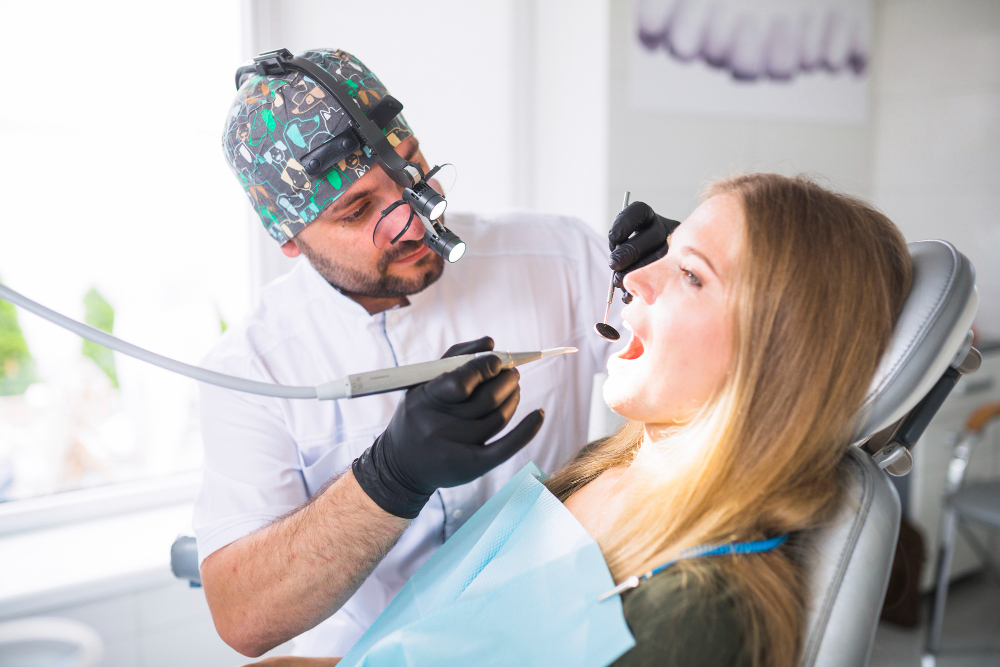
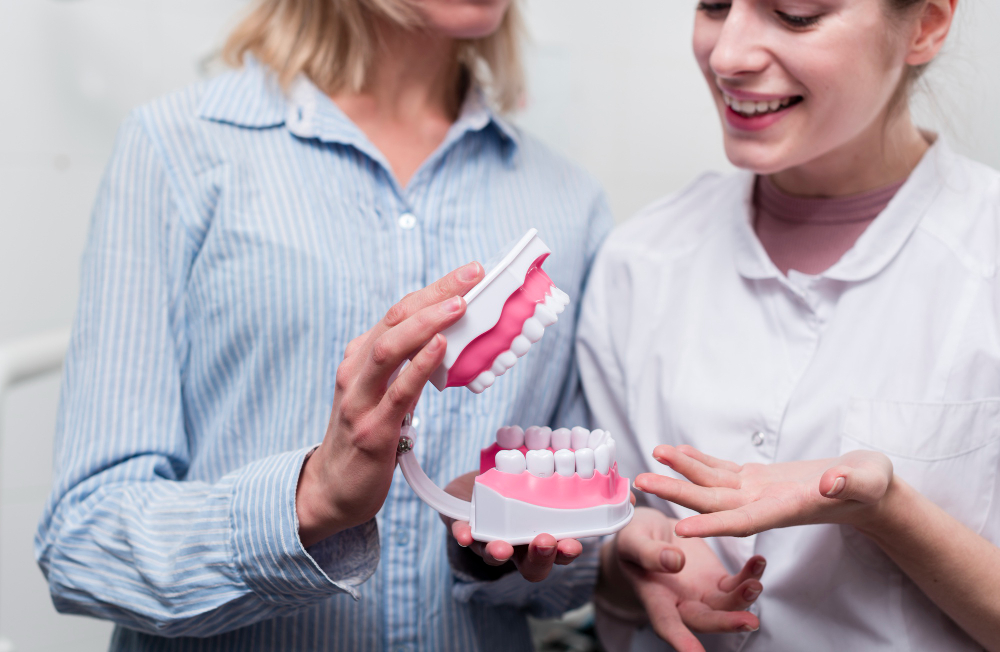
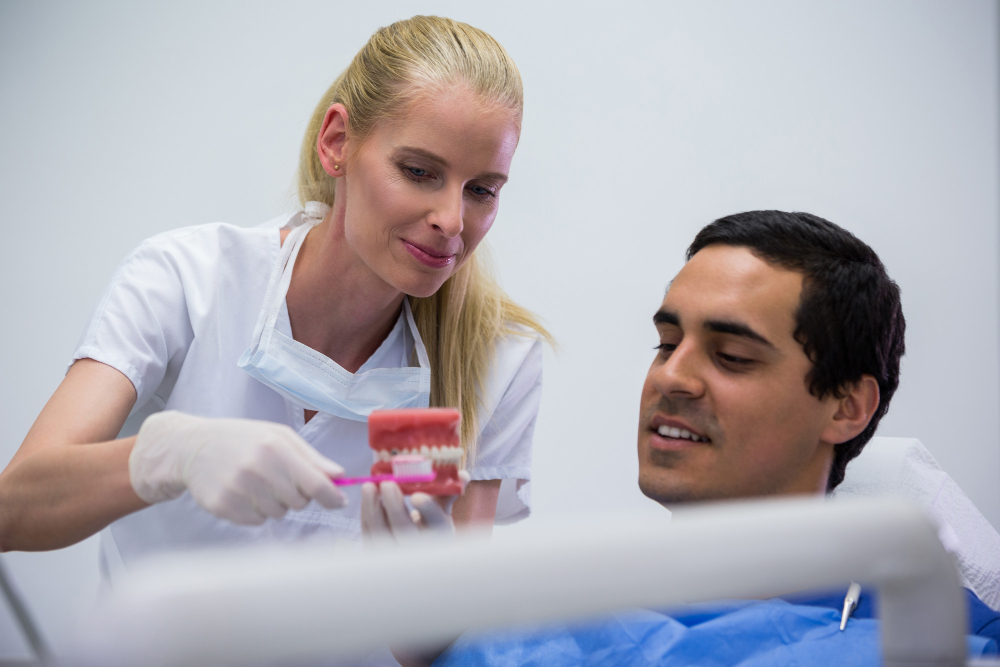
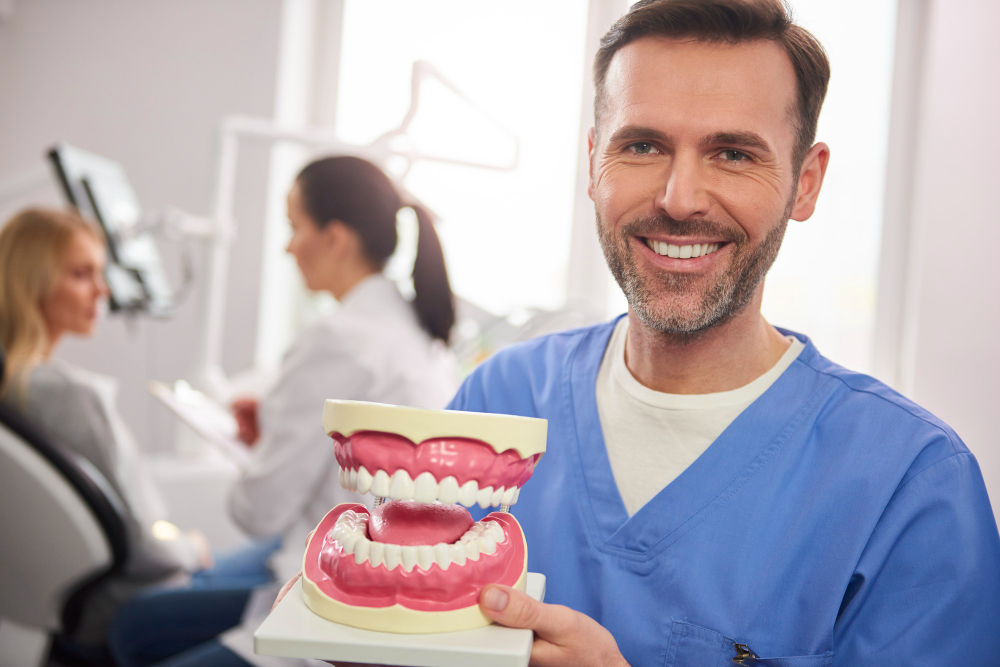
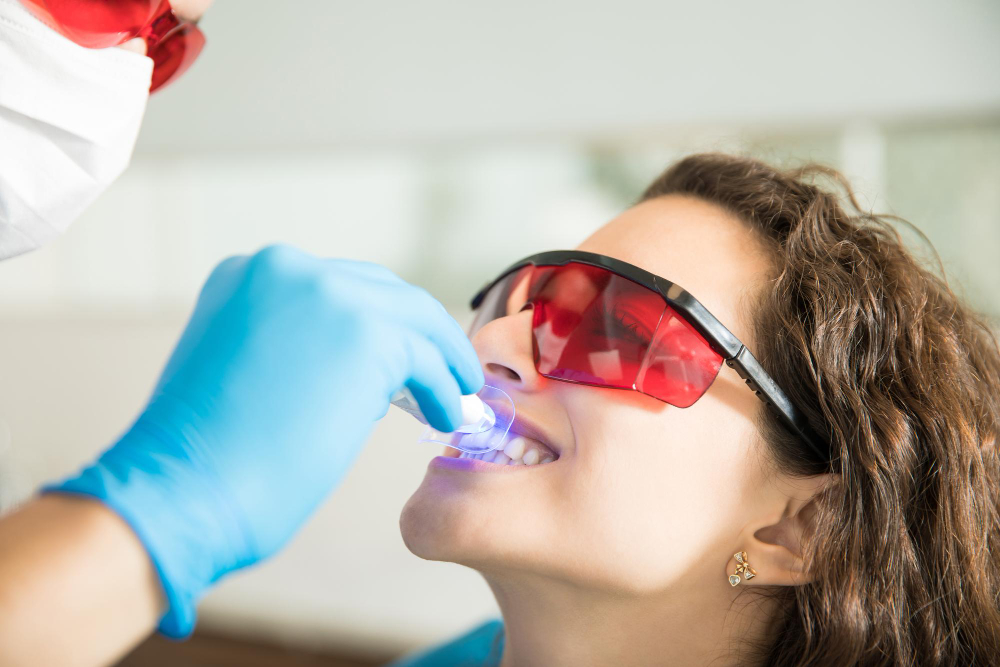
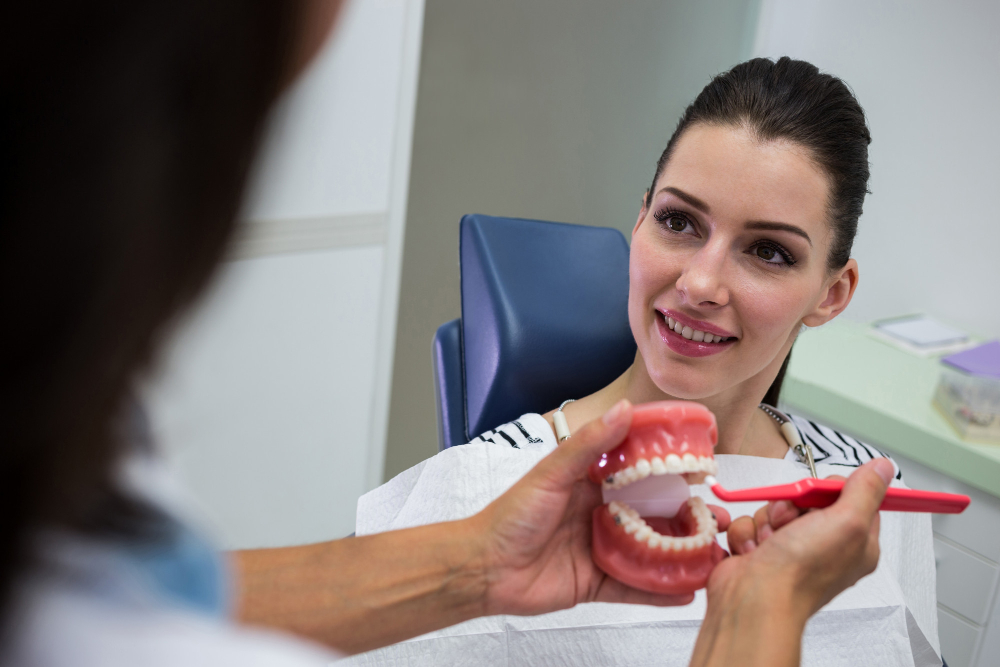
A damaged, weakened, cracked, or heavily decayed tooth can affect more than your smile. It may make chewing uncomfortable, increase tooth sensitivity, and potentially lead to further dental problems. Dental crowns in Champaign can help protect damaged teeth while restoring their appearance, strength, and function.
If you are searching for a dentist in Champaign, understanding how dental crowns work, when they are recommended, and what to expect from treatment can help you make a more informed decision.
What Is a Dental Crown?
A dental crown is a custom-made restoration placed over a damaged or weakened tooth. It covers the visible portion of the tooth and helps restore its shape, strength, size, and appearance.
Dental crowns may be recommended when a tooth has significant damage that cannot be adequately restored with a traditional filling.
Patients looking for dental crowns near me in Champaign can consult a dentist to determine whether a crown is suitable for their specific dental needs.
Why Might You Need a Dental Crown?
Why would a dentist recommend a crown instead of a filling?
A dental crown may be considered when a tooth has:
- Extensive tooth decay
- A large filling that has weakened the tooth
- A cracked or fractured structure
- Significant wear
- Damage caused by an injury
- Discoloration or cosmetic concerns
- Undergone root canal treatment
The appropriate treatment depends on the condition of the tooth, surrounding gums, and overall oral health.
How Do Dental Crowns Protect Damaged Teeth?
A weakened tooth can be vulnerable to additional cracks or fractures. A crown provides a protective covering around the remaining tooth structure.
By restoring the tooth’s shape and function, a dental crown can make everyday activities such as biting and chewing more comfortable.
For patients considering tooth crowns in Champaign, a dental examination is an important first step in determining whether a crown is the right solution.
What Types of Dental Crowns Are Available?
What type of crown is best for your tooth?
Dental crowns can be made from different materials, including:
Porcelain Crowns
Porcelain crowns are popular because they can closely resemble natural teeth. They may be particularly suitable for visible teeth where appearance is an important consideration.
Ceramic Crowns
Ceramic crowns can provide a natural-looking appearance while restoring the function of a damaged tooth.
Porcelain-Fused-to-Metal Crowns
These crowns combine a metal structure with a tooth-colored outer layer. They can provide strength while maintaining a natural appearance.
Metal Crowns
Metal crowns are known for their durability and may be considered for certain teeth, particularly where strength is a priority.
Your dentist can recommend a crown material based on the location of the tooth, its condition, your bite, appearance preferences, and other factors.
How Is a Dental Crown Procedure Performed?
What happens during a dental crown treatment?
The process generally involves several steps:
- Dental examination: The dentist evaluates the damaged tooth and surrounding tissues.
- Tooth preparation: A small amount of tooth structure may be reshaped to make room for the crown.
- Impressions or digital scans: Measurements are taken so the restoration can fit properly.
- Temporary restoration: In some cases, a temporary crown may protect the tooth while the permanent restoration is prepared.
- Crown placement: The permanent crown is checked for fit, appearance, and bite before being securely placed.
The exact process can vary depending on the type of crown and the patient’s individual needs.
Are Dental Crowns Painful?
Does getting a dental crown hurt?
The procedure is typically performed using local anesthesia to help keep the patient comfortable. Some people may experience temporary sensitivity or mild discomfort after treatment.
If you experience persistent or severe discomfort following crown placement, contact your dentist for an evaluation.
How Long Do Dental Crowns Last?
How long can you expect a dental crown to last?
The lifespan of a dental crown depends on factors such as the material used, oral hygiene, bite forces, diet, and regular dental care.
Good brushing and flossing habits, routine dental checkups, and avoiding habits that can damage teeth can help support the longevity of a crown.
How Should You Care for a Dental Crown?
Can you care for a crowned tooth like a natural tooth?
Yes. A crowned tooth still requires regular oral hygiene.
To help maintain your crown:
- Brush twice a day with fluoride toothpaste.
- Floss or clean between your teeth daily.
- Attend regular dental examinations and cleanings.
- Avoid chewing extremely hard objects.
- Follow your dentist’s recommendations.
- Contact your dentist if the crown becomes loose, damaged, or uncomfortable.
A crown protects the tooth, but maintaining healthy gums and surrounding teeth remains important.
Are Dental Crowns Better Than Fillings?
When should you choose a crown instead of a filling?
Fillings are commonly used to repair teeth with smaller or moderate areas of decay or damage. A crown may be more appropriate when a tooth has lost substantial structure and requires additional protection.
Your dentist can examine the tooth and explain whether a filling, crown, or another treatment is appropriate.
Can a Crown Be Used After a Root Canal?
Can you get a dental crown after root canal therapy?
Yes. A crown is commonly considered for teeth that have undergone root canal treatment, particularly when the remaining tooth structure needs additional protection.
The dentist will evaluate the tooth and determine whether a crown is recommended.
Are Dental Crowns Only for Cosmetic Purposes?
Are crowns used only to improve the appearance of teeth?
No. Dental crowns can provide both restorative and cosmetic benefits. They can help restore a damaged tooth’s function and shape while also improving its appearance.
For patients searching for cosmetic dental crowns in Champaign, a consultation can help determine which restoration best meets their goals.
How Can You Find the Right Dentist for Dental Crowns in Champaign?
Choosing a dental provider is an important part of successful restorative treatment. Look for a dental practice that evaluates your individual needs, explains your treatment options clearly, and provides appropriate follow-up care.
Affinity Family Dentists provides dental care for patients looking for restorative and cosmetic dental services. If you are considering dental crowns in Champaign, a professional dental evaluation can help determine whether a crown is appropriate for your tooth.
Final Thoughts
A damaged or weakened tooth does not always mean that extraction is necessary. In many situations, a dental crown in Champaign can help restore and protect the natural tooth.
Whether you are dealing with decay, a cracked tooth, an old filling, significant wear, or a tooth that has received root canal treatment, discussing your options with a dentist can help you choose the right treatment.
If you are searching for dental crowns near me, tooth crowns in Champaign, or a Champaign dentist for dental crowns, consider scheduling an evaluation with Affinity Family Dentists to discuss your restorative dental needs.