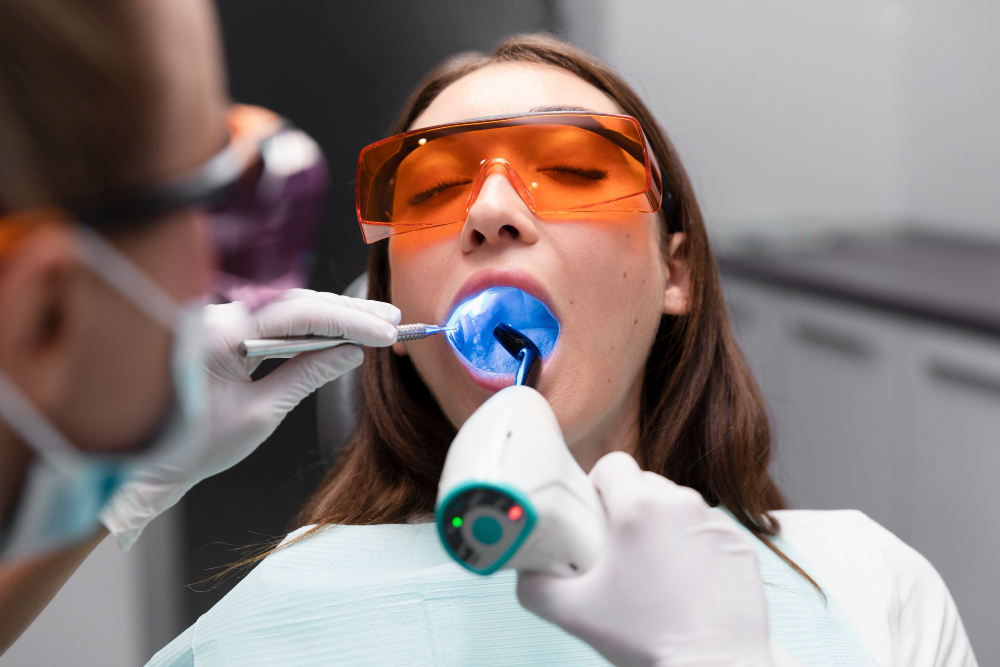
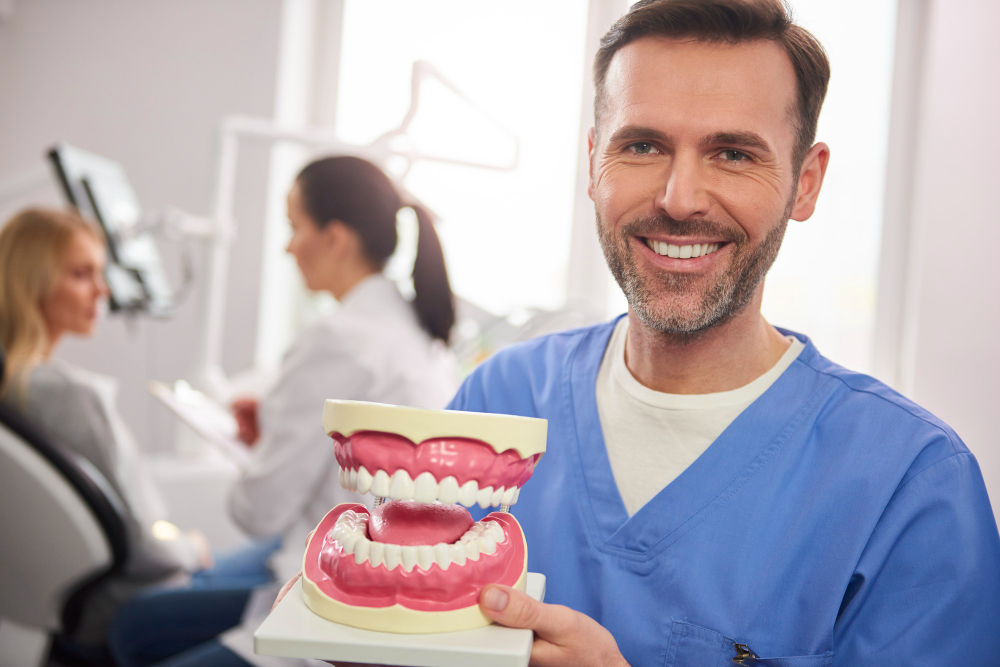
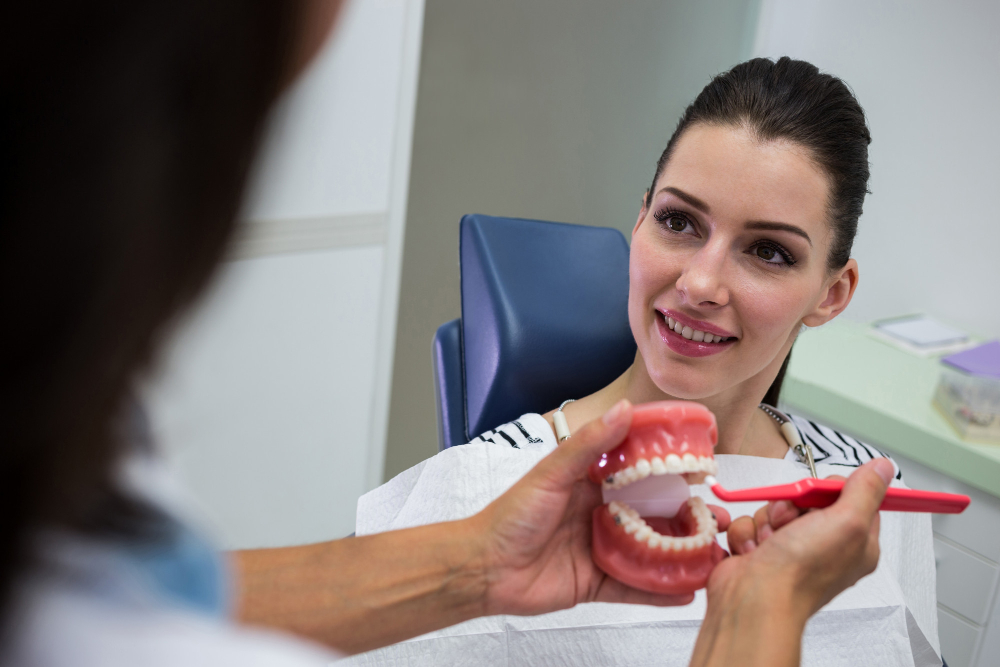
Dental anxiety is common, and it can make even a routine dental checkup feel stressful. Some people worry about pain, needles, dental instruments, previous experiences, or simply being in a dental chair. Others may avoid appointments altogether because their fear feels overwhelming.
If you experience dental anxiety in Peoria, you do not have to manage it alone. A patient-focused dental team can discuss your concerns, explain each step of treatment, and explore appropriate ways to make your visit more comfortable.
At Affinity Family Dentists, patients can discuss dental fears and concerns before treatment so the dental team can create a more comfortable experience based on their individual needs.
What Is Dental Anxiety?
Dental anxiety is a feeling of fear, nervousness, stress, or uneasiness associated with visiting the dentist or receiving dental treatment.
It can range from mild nervousness before an appointment to severe dental phobia that causes someone to avoid dental care for years.
Common signs of dental anxiety may include:
- Feeling nervous before a dental appointment
- Avoiding or postponing dental visits
- Fear of needles or injections
- Worry about experiencing pain
- Discomfort with dental sounds or instruments
- Strong gag reflex
- Feeling uncomfortable while sitting in the dental chair
- Increased heart rate or sweating
- Difficulty sleeping before an appointment
Dental anxiety can affect people of all ages. The important step is to communicate your concerns with your dentist rather than allowing fear to prevent necessary dental care.
What Causes Dental Anxiety?
There is no single cause of dental anxiety. Different patients may have different triggers.
Some common causes include:
Previous Negative Dental Experiences
An unpleasant dental appointment in the past can influence how a person feels about future treatment.
Fear of Pain
Some patients worry that dental procedures will hurt. Modern dentistry uses local anesthesia and other pain-control techniques to help manage discomfort during treatment. The American Dental Association notes that anxiety and pain can be addressed through psychological and pharmacological approaches, with local anesthetics serving as a foundation for dental pain control.
Fear of Needles
The thought of receiving an injection can be particularly stressful for some patients. Talking with your dentist beforehand can help the team understand your concerns and plan accordingly.
Loss of Control
Some patients feel anxious because they cannot easily see what is happening during treatment. Having the dentist explain the procedure and establish a communication signal can help patients feel more involved.
Embarrassment About Dental Health
People who have not visited a dentist for a long time may worry about being judged. A supportive dental environment can make it easier to discuss oral health concerns without embarrassment.
Why Should You Not Ignore Dental Anxiety?
Avoiding dental appointments because of anxiety can allow dental problems to become more complicated.
For example, an untreated cavity may become larger over time. Gum problems may also progress when preventive dental visits are missed.
Regular dental care can help with:
- Early detection of cavities
- Gum health monitoring
- Professional teeth cleaning
- Evaluation of tooth sensitivity
- Detection of cracked or damaged teeth
- Preventive dental care
- Maintaining overall oral health
If dental anxiety is preventing you from visiting the dentist, tell the dental office when scheduling your appointment. This allows the team to understand your needs before you arrive.
How Can a Dentist Help With Dental Anxiety in Peoria?
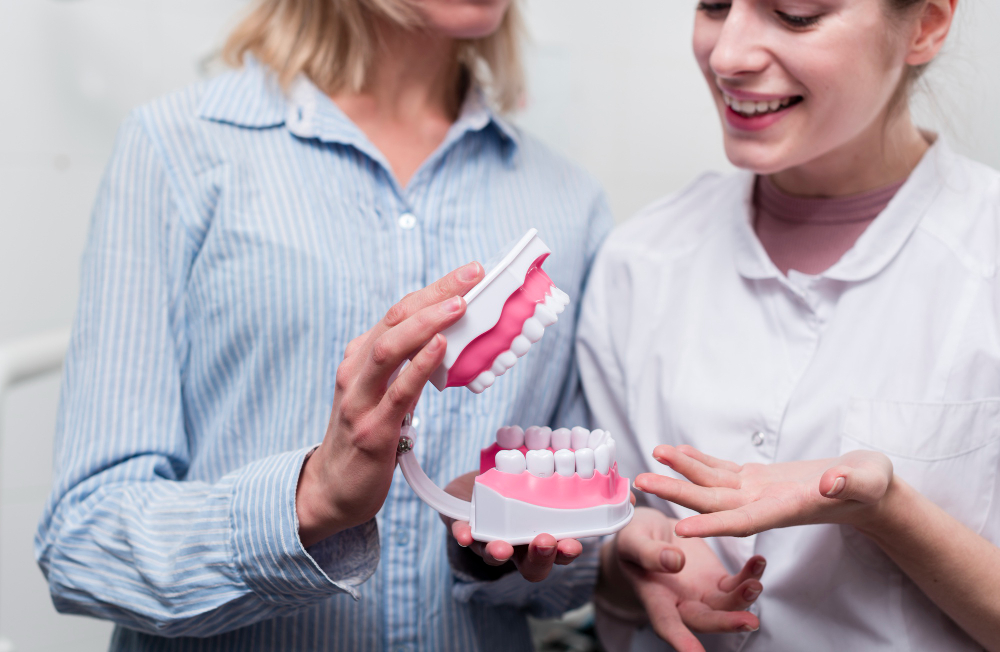
A dentist can use both communication-based and clinical approaches to help anxious patients feel more comfortable.
The first step is usually understanding what makes the patient anxious.
Your dentist may:
- Discuss your previous dental experiences
- Ask what specifically makes you nervous
- Explain the procedure before treatment
- Allow you to ask questions
- Establish a stop signal during treatment
- Use appropriate local anesthesia
- Provide relaxation techniques
- Discuss whether sedation dentistry may be appropriate
The American Dental Association recognizes both psychological and pharmacological approaches for managing dental anxiety and pain.
Can Sedation Dentistry Help With Dental Anxiety?
For some patients, sedation dentistry in Peoria may be an option.
Sedation dentistry uses medication or other techniques to help reduce anxiety during appropriate dental procedures. The type of sedation considered depends on factors such as the patient’s health, anxiety level, treatment needs, and the dentist’s training and available techniques.
Affinity Family Dentists provides information about sedation dentistry for patients seeking a more relaxed dental experience in Peoria.
Sedation should not be viewed as a one-size-fits-all solution. A dental professional should evaluate the patient and determine whether sedation is appropriate.
The ADA’s updated 2026 sedation guidance emphasizes patient evaluation, informed consent, appropriate preparation, and safety considerations when sedation is used.
What Is Nitrous Oxide Sedation?
Nitrous oxide, commonly called laughing gas, is one option used in dentistry to help manage anxiety.
It is inhaled through a mask and combined with oxygen. According to the American Dental Association, appropriately administered nitrous oxide-oxygen can be a safe and effective method for managing dental anxiety and pain.
Whether nitrous oxide is appropriate depends on the individual patient and the treatment being performed.
What Are Other Ways to Make a Dental Visit More Comfortable?
Sedation is not the only way to manage dental anxiety.
1. Tell Your Dentist About Your Fear
Be honest about your anxiety when scheduling your appointment and when you arrive. Knowing your concerns allows the dental team to adapt communication and treatment planning when appropriate.
2. Ask Questions
Understanding what will happen can reduce uncertainty. Ask your dentist to explain the procedure, expected sensations, approximate treatment time, and recovery instructions.
3. Agree on a Stop Signal
Before treatment begins, you can agree on a hand signal to indicate that you need the dentist to pause.
4. Practice Slow Breathing
Slow, controlled breathing can help you relax before and during an appointment. Simple mindfulness and breathing strategies are also among approaches discussed by the ADA for reducing stress and anxiety.
5. Schedule Enough Time
If you are highly anxious, rushing through an appointment may increase stress. Tell the office about your anxiety so the team can determine an appropriate appointment structure.
6. Maintain Regular Dental Visits
Regular preventive appointments may help prevent small dental problems from becoming more complicated. For patients with dental anxiety, establishing a relationship with a dental team can also make future visits more familiar.
Is Dental Anxiety the Same as Dental Phobia?
Not necessarily.
Dental anxiety can describe nervousness or fear associated with dental treatment. Dental phobia generally refers to a much more intense fear that may result in significant avoidance of dental care.
Regardless of the level of fear, communicating openly with your dental team is an important first step.
How Can Parents Help a Child With Dental Anxiety?
Children can also experience dental anxiety.
Parents can help by:
- Using positive and age-appropriate language
- Avoiding frightening descriptions of dental procedures
- Explaining that the dentist helps keep teeth healthy
- Bringing children for regular preventive visits
- Staying calm during the appointment
- Allowing the dental team to communicate with the child directly when appropriate
A positive early dental experience can help children become more comfortable with future dental visits.
When Should You Look for a Dentist for Dental Anxiety in Peoria?
Consider contacting a dentist if fear or anxiety is causing you to:
- Avoid routine dental checkups
- Delay treatment for tooth pain
- Ignore broken or damaged teeth
- Avoid professional teeth cleaning
- Feel extremely nervous before appointments
- Experience significant stress when thinking about dental treatment
You do not have to wait until a dental problem becomes severe before asking for help.
Take the First Step Toward a More Comfortable Dental Visit
Dental anxiety should not prevent you from taking care of your teeth and gums. Whether your fear comes from a previous experience, fear of pain, needles, dental sounds, or uncertainty about treatment, communicating with your dentist can help you find an approach that works for you.
If you are searching for dental anxiety treatment in Peoria, sedation dentistry in Peoria, or a dentist for nervous patients in Peoria, Affinity Family Dentists can help you discuss your concerns and dental care needs.