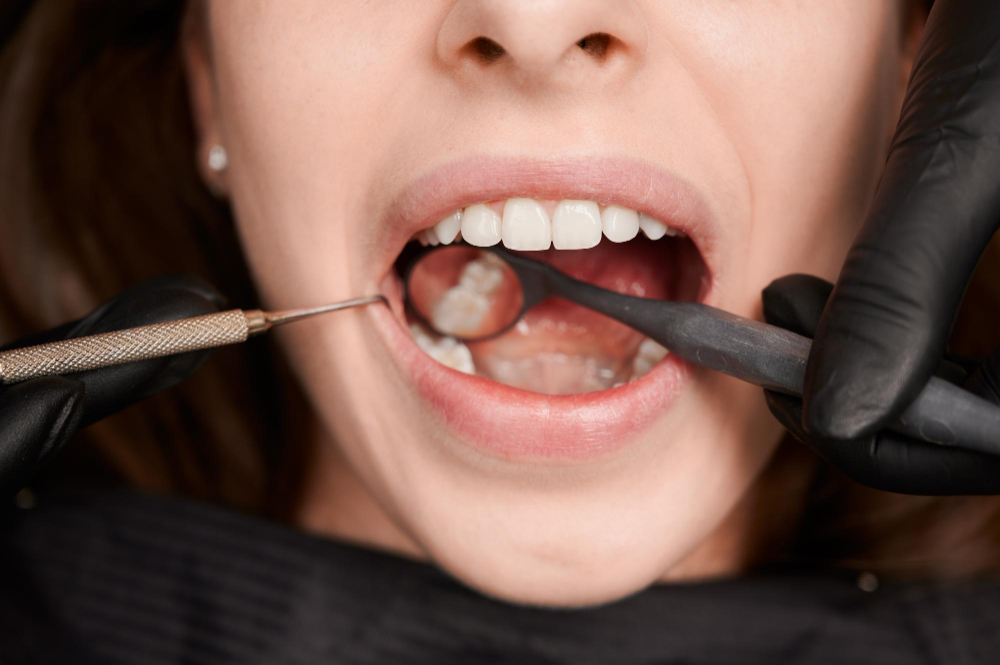
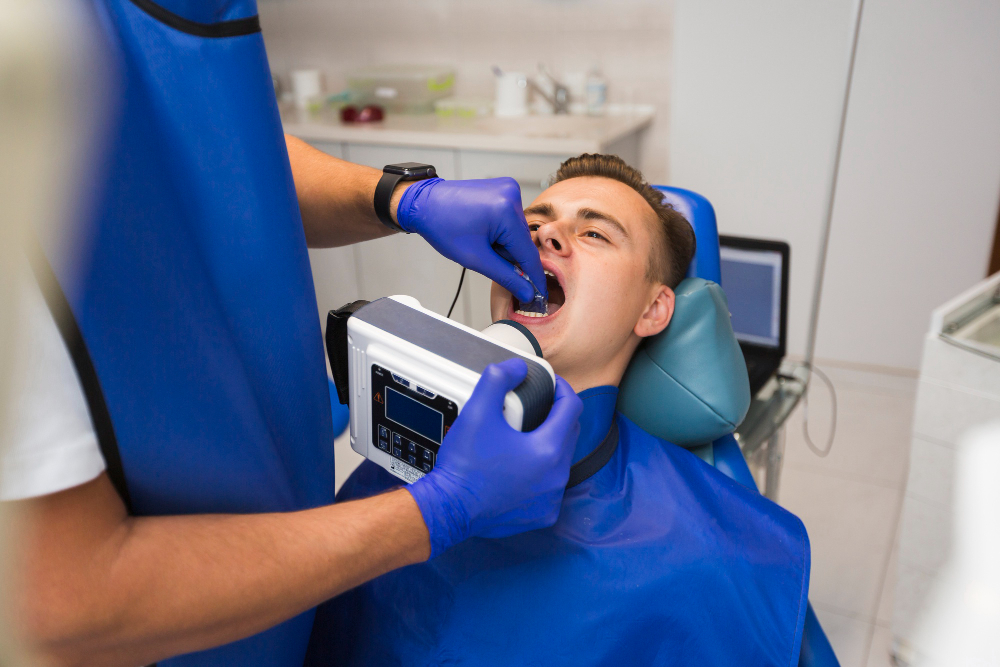
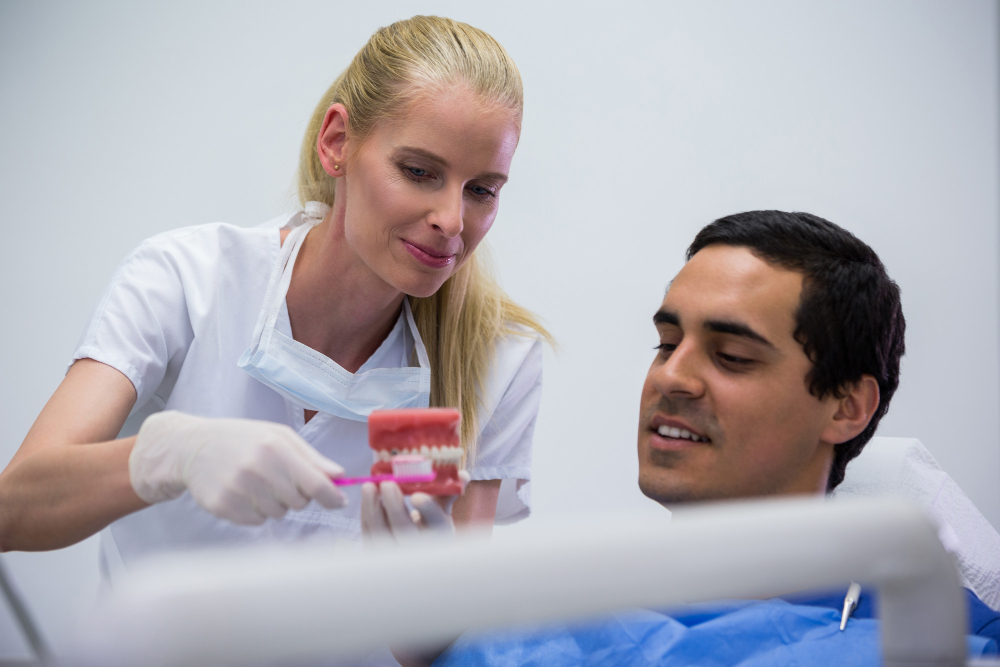
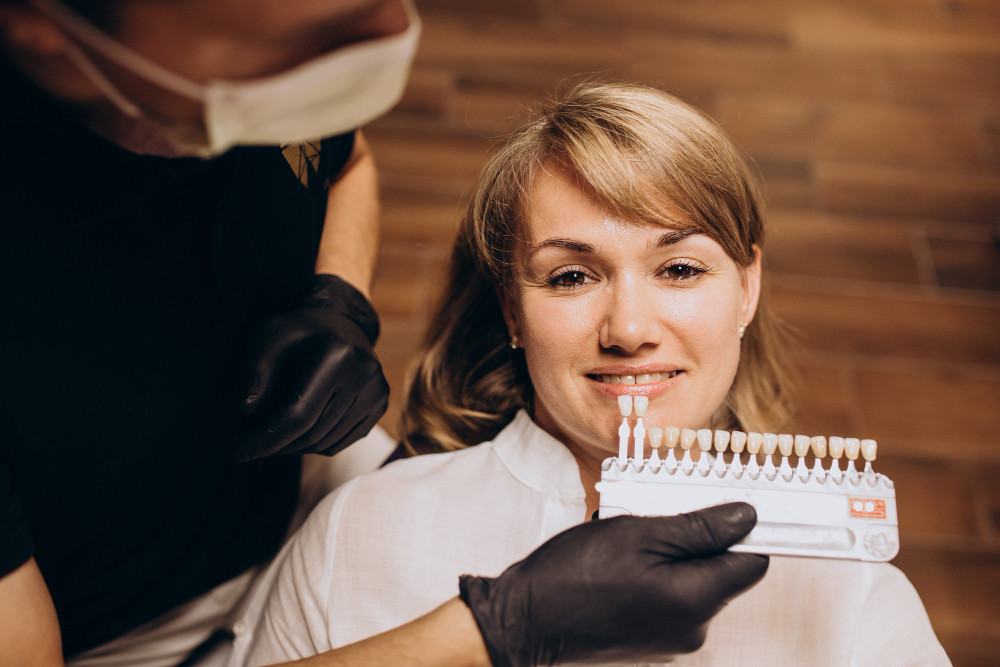
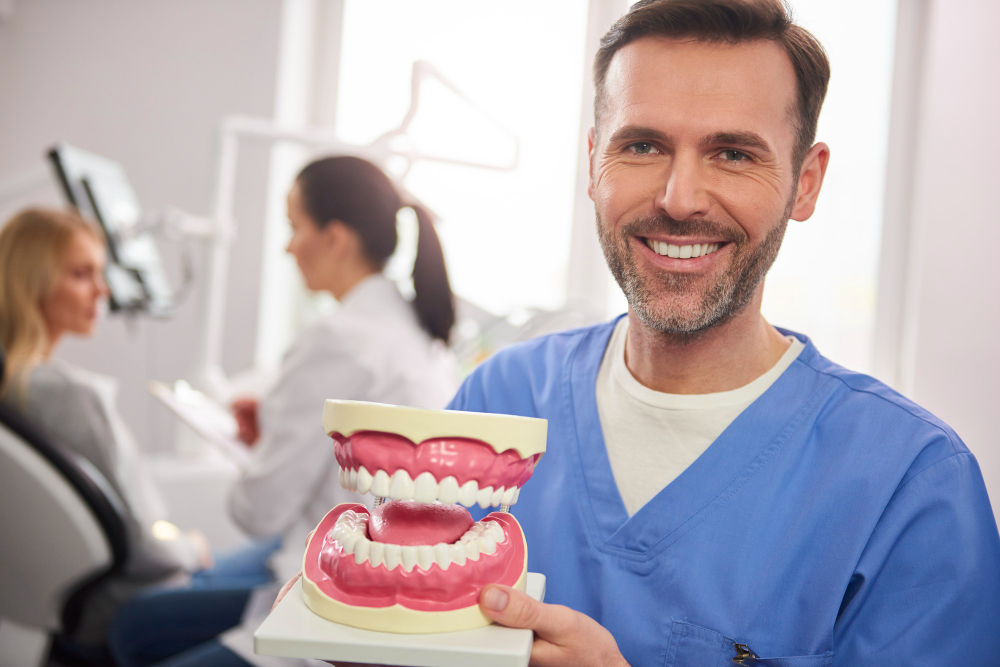
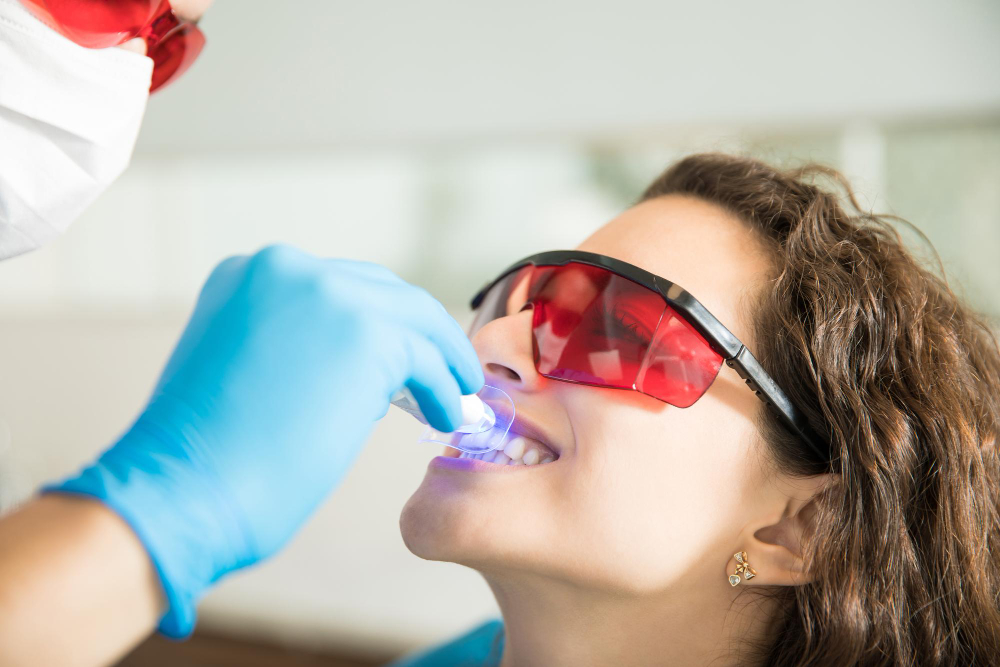
Missing teeth can affect much more than the appearance of your smile. Tooth loss may make chewing difficult, change the way you speak, and affect your confidence in everyday situations. Fortunately, dentures and partial dentures in Pekin can provide a practical way to replace missing teeth and restore important aspects of your smile and oral function.
At Affinity Family Dentists, patients can discuss their tooth-replacement needs and explore denture options based on the number of missing teeth, existing oral health, comfort preferences, and overall treatment goals.
Whether you have lost all of your teeth in an arch or only a few natural teeth, understanding the difference between complete dentures and partial dentures can help you prepare for your dental consultation.
What Are Dentures?
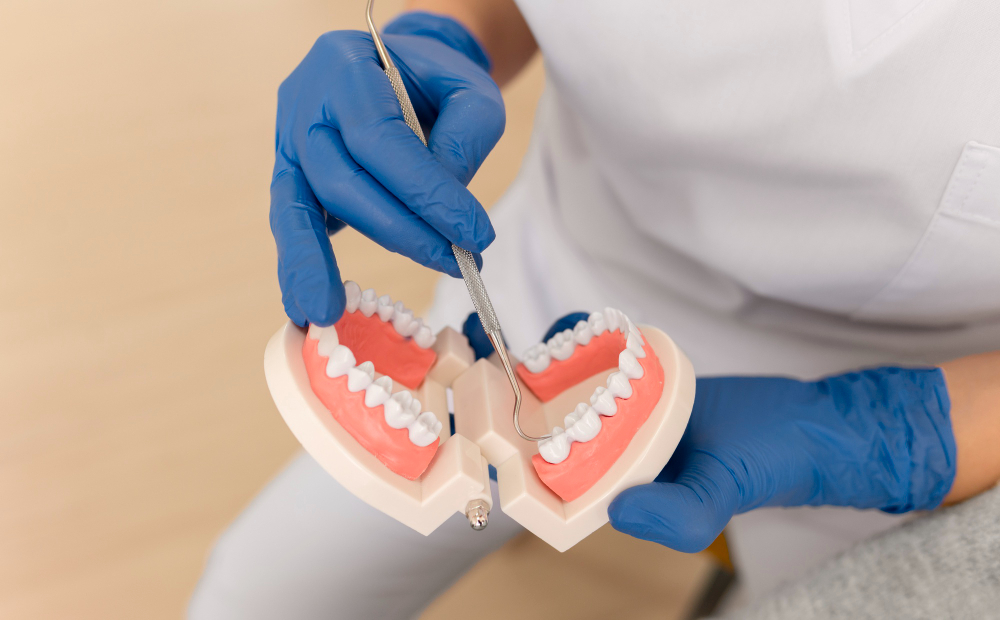
Dentures are removable dental appliances designed to replace missing teeth. Depending on the patient’s needs, dentures can replace an entire upper or lower arch or several missing teeth.
Complete dentures are generally considered when most or all teeth in an arch are missing. They are designed to restore the appearance of the smile while supporting everyday functions such as speaking and chewing.
Modern dentures can be designed to provide a natural-looking appearance and a customized fit. Your dentist evaluates your mouth and discusses your goals before recommending an appropriate option.
What Are Partial Dentures?
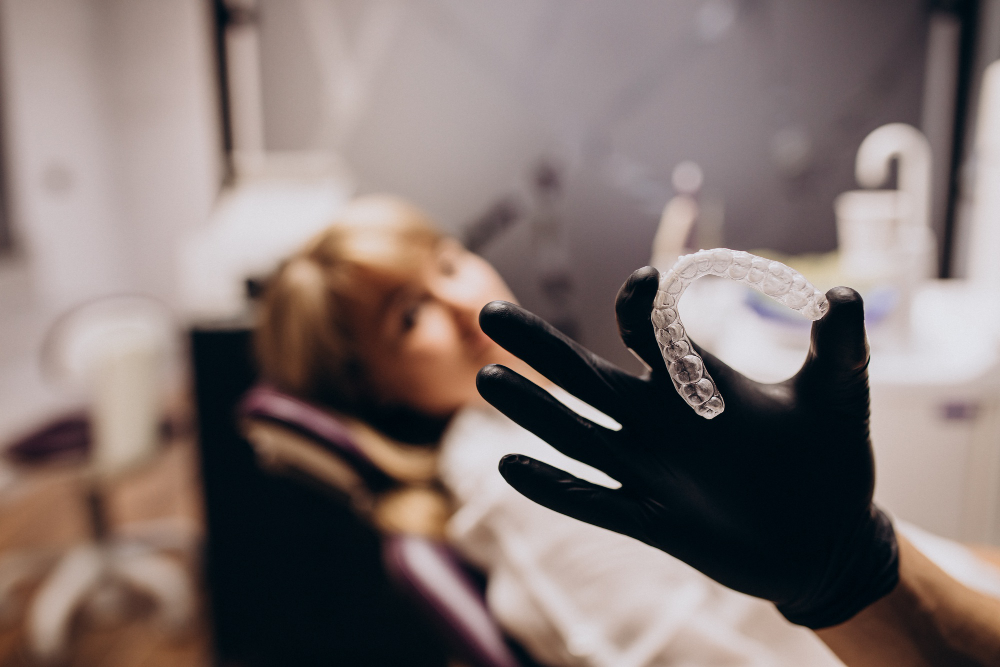
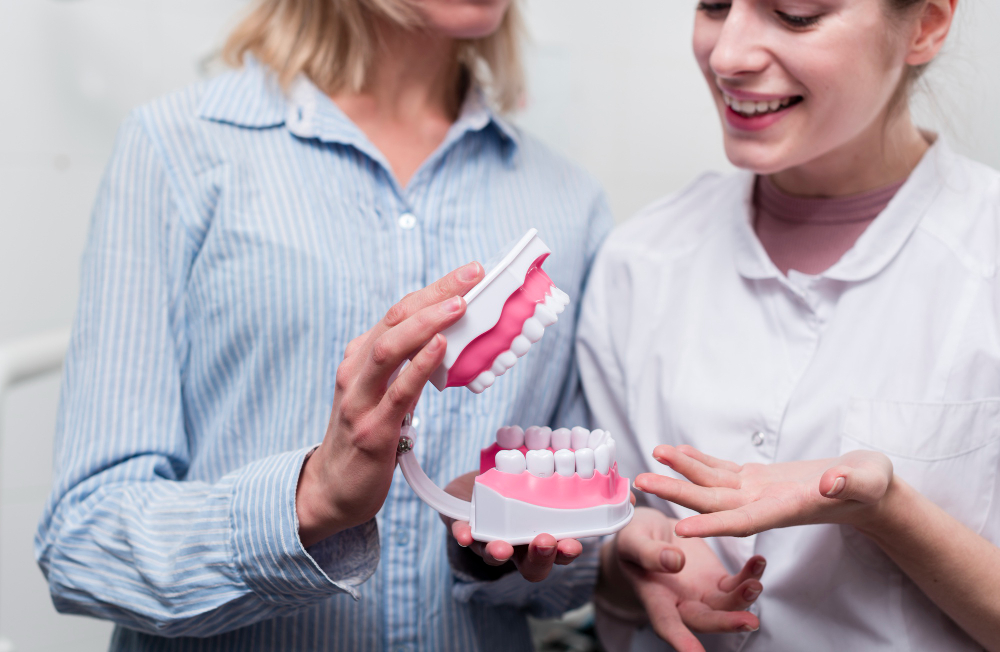
Partial dentures are removable appliances designed for people who still have some natural teeth but have one or more missing teeth.
A partial denture typically includes replacement teeth attached to a gum-colored base. Depending on the design, it may use clasps or other attachments to help provide stability.
Partial dentures can fill spaces created by missing teeth while helping restore the appearance and function of your smile.
If you are searching for partial dentures near me in Pekin, a dental consultation can help determine whether a removable partial denture is appropriate for your situation.
Dentures vs. Partial Dentures: What Is the Difference?
The main difference is the number of teeth being replaced.
Complete dentures:
- Replace an entire arch of missing teeth.
- May be considered when all or nearly all teeth in an arch are missing.
- Are designed to restore the appearance and function of the arch.
Partial dentures:
- Replace one or more missing teeth.
- Are used when some natural teeth remain.
- Can help fill visible gaps and restore chewing function.
The appropriate option depends on your individual oral condition rather than simply the number of teeth missing. Your dentist can evaluate your remaining teeth, gums, jawbone, bite, and overall oral health before recommending a treatment approach.
Who May Benefit From Dentures in Pekin?
Dentures may be an option for adults who have experienced significant tooth loss from various causes, including:
- Extensive tooth decay
- Gum disease
- Dental injuries
- Multiple tooth extractions
- Long-term tooth loss
- Age-related changes
- Other conditions that have resulted in missing teeth
Not everyone with missing teeth will need the same type of restoration. A professional dental examination is important for determining which treatment best fits your needs.
Who May Need Partial Dentures?
Partial dentures may be considered when several natural teeth remain but there are noticeable gaps caused by tooth loss.
You may want to discuss partial dentures with a dentist if you:
- Have multiple missing teeth
- Want a removable tooth-replacement option
- Have difficulty chewing because of missing teeth
- Feel self-conscious about visible gaps
- Want to restore the appearance of your smile
- Need to replace several teeth without immediately pursuing another restorative option
Your dentist can explain the available tooth-replacement choices and how each option may fit your oral health and lifestyle.
What Are the Benefits of Dentures and Partial Dentures?
1. Replace Missing Teeth
One of the primary purposes of dentures is to replace missing teeth and help restore the appearance and function of the smile.
2. Support Chewing
Missing teeth can make certain foods more difficult to chew. Dentures may help restore chewing function, although patients generally need time to adapt to eating with a new appliance.
3. Support Speech
Tooth loss can affect pronunciation and speech patterns. A properly designed denture may help restore the oral structures involved in speaking.
4. Improve Smile Appearance
Dentures and partial dentures can fill spaces caused by missing teeth and provide a more complete-looking smile.
5. Restore Confidence
Replacing missing teeth may help patients feel more comfortable smiling, speaking, and interacting socially.
6. Provide a Removable Tooth-Replacement Option
Many removable dentures can be taken out for cleaning and maintenance, making daily care easier.
How Are Dentures Made?
Getting dentures usually involves several stages. The exact process depends on the type of denture and the patient’s individual needs.
Step 1: Dental Examination
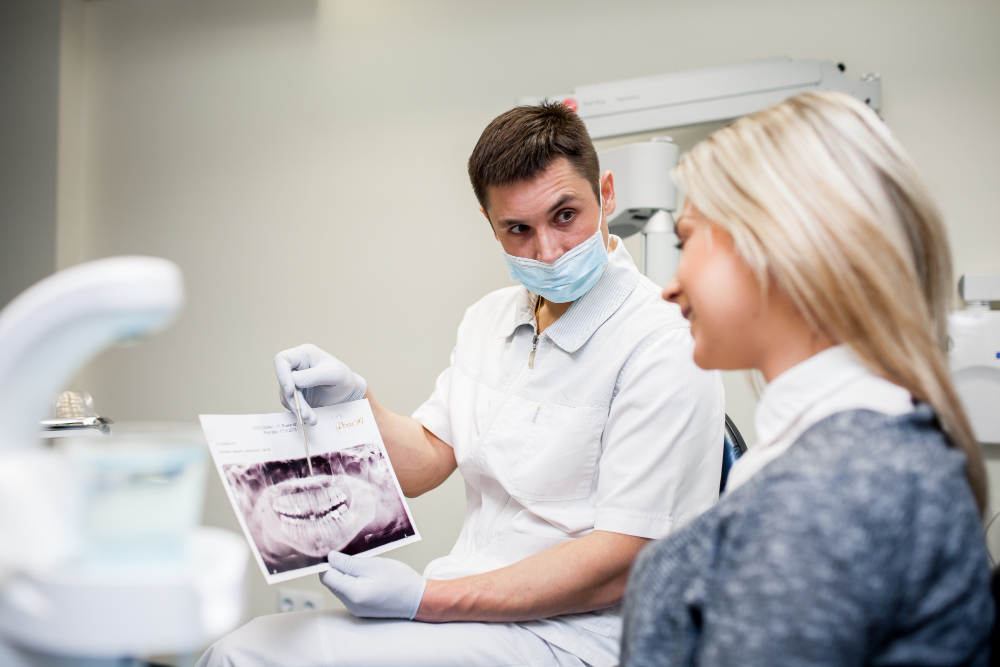
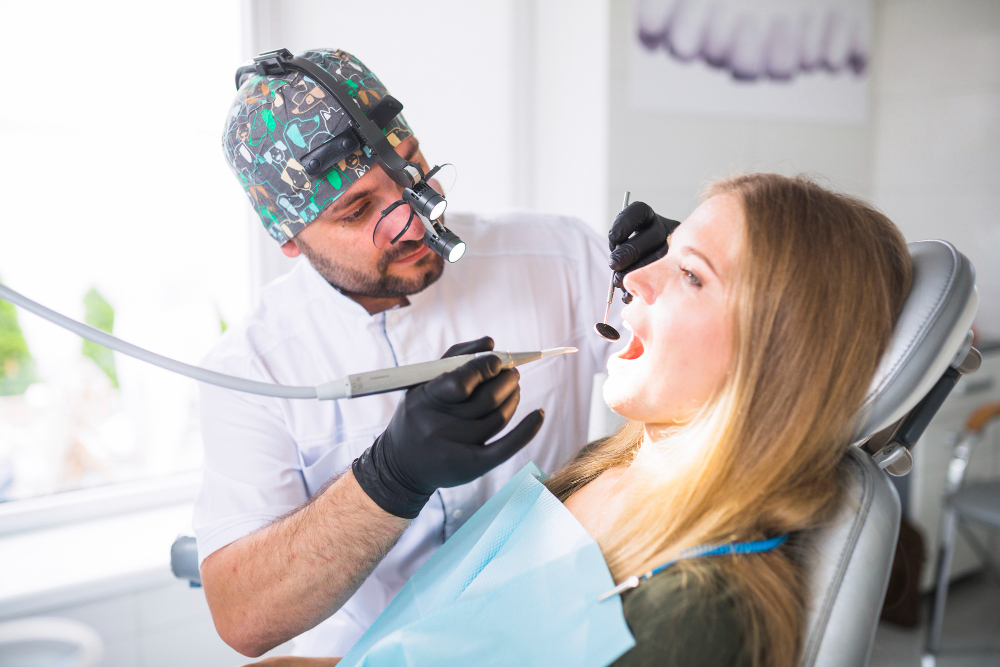
Your dentist first evaluates your teeth, gums, bite, and overall oral health. If remaining teeth need treatment before the denture is made, those concerns may need to be addressed first.
Step 2: Treatment Planning
The dentist discusses your tooth-replacement goals and explains possible options. This may include complete dentures, partial dentures, bridges, implants, or other restorative treatments when appropriate.
Step 3: Measurements and Impressions
Measurements and impressions of the mouth may be taken to help create a denture that fits the patient’s oral structures.
Step 4: Denture Fabrication
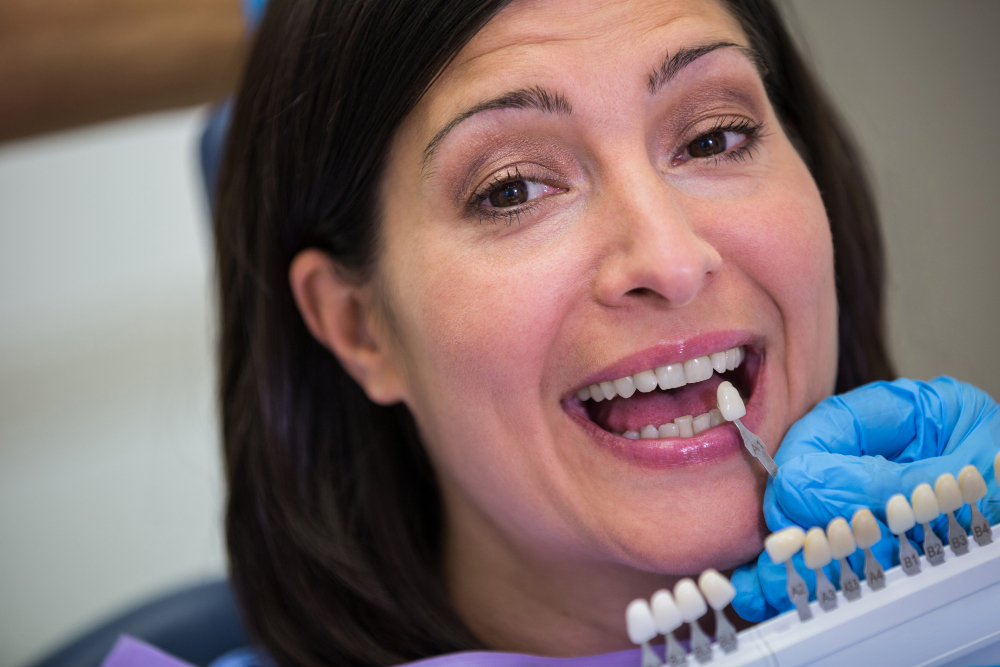
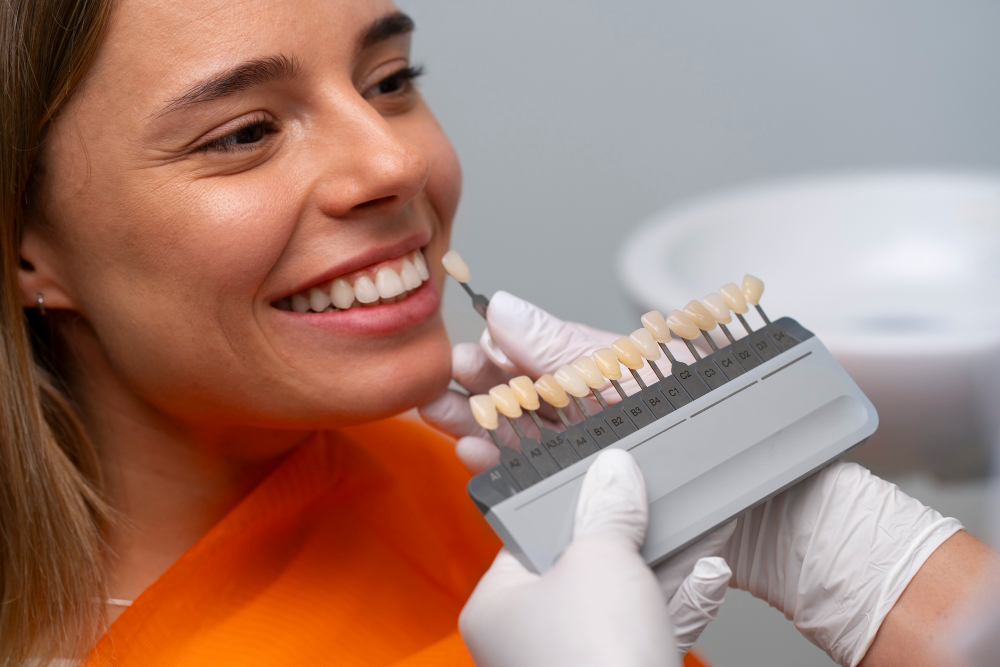
The denture is created according to the planned design. The appearance, size, shape, and positioning of the replacement teeth are considered during the process.
Step 5: Fitting and Adjustments
Once the denture is ready, your dentist checks its fit and function. Adjustments may be necessary to improve comfort and stability.
Step 6: Follow-Up Care
Follow-up appointments allow your dentist to evaluate the fit and address any concerns that develop as you become accustomed to wearing the denture.
How Long Does It Take to Get Used to Dentures?
It is normal for new denture wearers to need an adjustment period. Your mouth and facial muscles may need time to adapt to the appliance.
During the adjustment period, you may notice changes in:
- Speech
- Chewing
- Saliva production
- Comfort
- Denture stability
Starting with softer foods and gradually introducing different textures may make the transition easier. If your dentures cause persistent discomfort, sores, or significant movement, contact your dentist rather than attempting to adjust them yourself.
How Should You Care for Dentures?
Proper denture care is important for maintaining the appliance and supporting good oral hygiene.
The American Dental Association recommends cleaning dentures regularly to remove food particles, plaque, stains, and buildup. Dentures should also be handled carefully and stored appropriately when they are not being worn.
Helpful denture-care habits include:
- Clean dentures every day.
- Use a soft denture brush or an appropriate cleaning method.
- Rinse dentures after eating when appropriate.
- Follow the manufacturer’s instructions for denture-cleaning products.
- Store removable dentures in water or an appropriate denture solution when they are not being worn, unless your dental professional provides different instructions.
- Avoid hot or boiling water because it can damage or warp some dentures.
- Clean your gums, tongue, and remaining natural teeth as recommended by your dentist.
- Schedule regular dental examinations.
Denture adhesives should not be considered a substitute for a poorly fitting denture. If your denture repeatedly becomes loose or uncomfortable, a dental professional should evaluate its fit.
Can You Sleep With Dentures?
Your dentist may provide specific instructions based on your oral health and type of denture. Many removable dentures are taken out at night to allow the oral tissues to rest and to make cleaning easier.
If you have questions about whether you should wear your dentures overnight, ask your dental professional for personalized guidance.
When Should Dentures Be Replaced?
Dentures do not last forever. Changes in the mouth, normal wear, damage, changes in supporting tissues, or poor fit can affect their performance over time.
Signs that your dentures may need professional evaluation include:
- Persistent looseness
- Repeated discomfort
- Mouth irritation or sores
- Cracks or broken denture components
- Significant wear
- Difficulty chewing
- Changes in your bite
- Increasing dependence on adhesive
- A noticeable change in how the denture fits
Regular dental visits can help identify when an adjustment, reline, repair, or replacement may be appropriate.
Are Dentures Better Than Dental Implants?
There is no single tooth-replacement solution that is ideal for every patient.
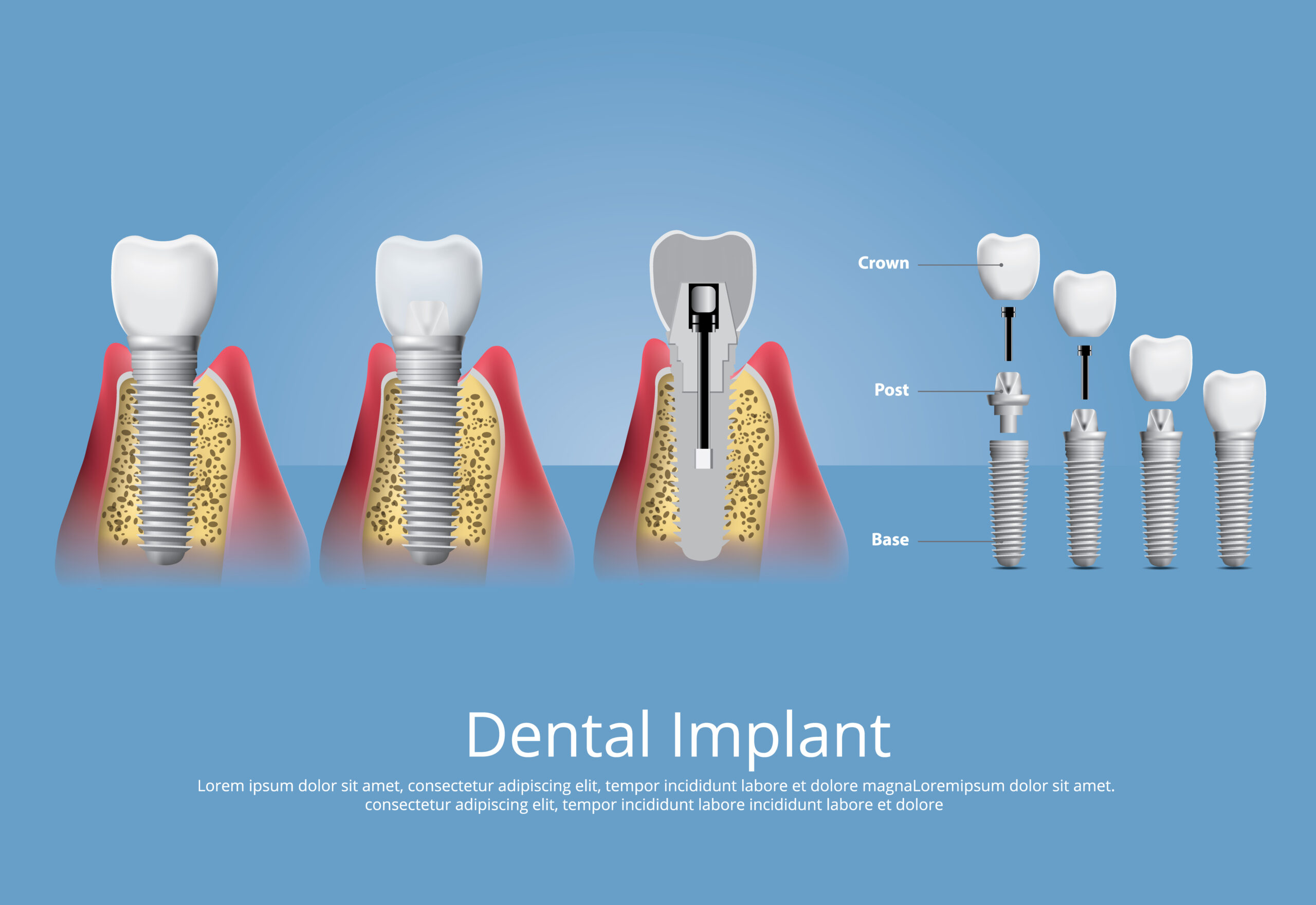
Dentures are removable and can replace multiple missing teeth. Dental implants are surgically placed in the jaw and may be used to support individual restorations, bridges, or implant-supported dentures.
The choice depends on factors such as:
- Number of missing teeth
- Condition of remaining teeth
- Gum health
- Jawbone condition
- Overall oral health
- Treatment preferences
- Budget
- Long-term goals
A dentist can explain the differences between dentures, partial dentures, bridges, and implant-supported options so you can make an informed decision.
Are Partial Dentures Comfortable?
Modern partial dentures are designed to fit securely and comfortably, but there can be an adjustment period.
A new partial denture may initially feel unusual because your mouth is adapting to the appliance. If discomfort continues or the partial denture causes sores, your dentist may need to make adjustments.
Never try to bend, reshape, or repair a partial denture yourself because doing so can affect its fit.
How Much Do Dentures Cost in Pekin?
The cost of dentures in Pekin can vary considerably depending on the type of denture, materials, number of teeth being replaced, preparation procedures, and other individual treatment requirements.
Complete dentures, partial dentures, immediate dentures, and implant-supported solutions can have different costs.
The best way to understand your expected cost is to schedule an examination and request a personalized treatment plan. Your dental team can explain the recommended treatment and discuss applicable payment or insurance considerations.
Why Choose Affinity Family Dentists for Dentures in Pekin?
Choosing dentures is an important dental decision, and personalized planning can make the process easier.
Affinity Family Dentists provides dental care in Pekin at:
135 Radio City Dr, Ste A
Pekin, IL 61554
Patients looking for dentures in Pekin, IL, partial dentures near Pekin, or options for replacing multiple missing teeth can contact the Pekin office to discuss their needs.
The office can be reached at (309) 217-7777.
A consultation gives you an opportunity to discuss your concerns, learn about available options, and determine what type of tooth replacement may be appropriate for your smile.
What Should You Ask Your Dentist About Dentures?
Before choosing dentures or partial dentures, consider asking:
- Which type of denture is appropriate for me?
- Would a complete or partial denture better suit my needs?
- How will my denture be designed?
- How long will the adjustment period take?
- How should I clean and store my denture?
- Will I need any dental treatment before receiving my denture?
- How often should my denture be checked?
- What should I do if my denture becomes loose or uncomfortable?
- What are my other tooth-replacement options?
- What will my estimated treatment cost be?
These questions can help you understand your treatment before moving forward.
Restore Your Smile With Dentures in Pekin
Living with missing teeth can affect your daily life, but there are several options available for restoring your smile and oral function. Dentures and partial dentures in Pekin can provide a removable solution for replacing missing teeth while improving the appearance and function of your smile.
If you are considering dentures, partial dentures, or other tooth-replacement options, Affinity Family Dentists can help you understand the available choices and develop a treatment plan based on your individual needs.
Contact Affinity Family Dentists in Pekin at (309) 217-7777 to schedule a dental consultation and learn more about your denture options.