Dental anxiety is a common concern that prevents many people from seeking timely oral care. In Shelbyville, individuals of all ages experience nervousness or fear before visiting the dentist. Unfortunately, delaying treatment due to anxiety can lead to more serious dental problems, including cavities, gum disease, and tooth loss. Understanding dental anxiety and knowing how to manage it can help patients feel more comfortable and confident about their dental visits.
What Is Dental Anxiety?
Dental anxiety refers to fear, stress, or nervousness associated with visiting a dental clinic. While mild nervousness is normal, severe anxiety can cause people to avoid appointments entirely. In extreme cases, individuals may experience dental phobia, which is an intense fear that interferes with maintaining oral health.
Common Causes of Dental Anxiety
Several factors contribute to dental anxiety among patients in Shelbyville:
1. Past Negative Experiences
A painful or uncomfortable dental procedure in the past can create long-lasting fear.
2. Fear of Pain
Even though modern dentistry is more comfortable than ever, many patients still associate dental treatment with pain.
3. Loss of Control
Sitting in a dental chair and not knowing what will happen next can make patients feel vulnerable.
4. Embarrassment
Some individuals feel self-conscious about the condition of their teeth or oral hygiene.
5. Fear of Needles or Instruments
Dental tools and injections can trigger anxiety, especially for patients with needle phobia.
Symptoms of Dental Anxiety
Dental anxiety can show up in both physical and emotional ways:
- Rapid heartbeat
- Sweating
- Trouble sleeping before an appointment
- Feeling tense or restless
- Nausea
- Avoiding dental appointments
Recognizing these symptoms early can help patients seek support before their anxiety worsens.
How Dental Anxiety Affects Oral Health
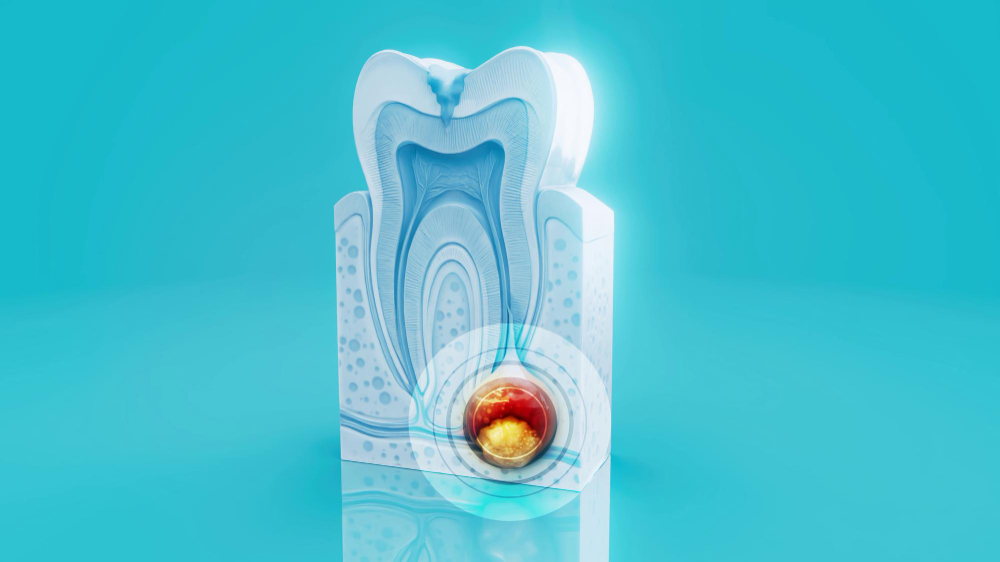
Avoiding regular dental visits can lead to untreated cavities, gum infections, and advanced dental problems. Minor issues that could have been addressed easily may require more complex and costly procedures later. Preventive care and routine cleanings are essential for maintaining healthy teeth and gums.
Effective Ways to Overcome Dental Anxiety
Patients in Shelbyville can take several steps to manage their fear and feel more at ease during dental visits.
Choose a Compassionate Dental Practice
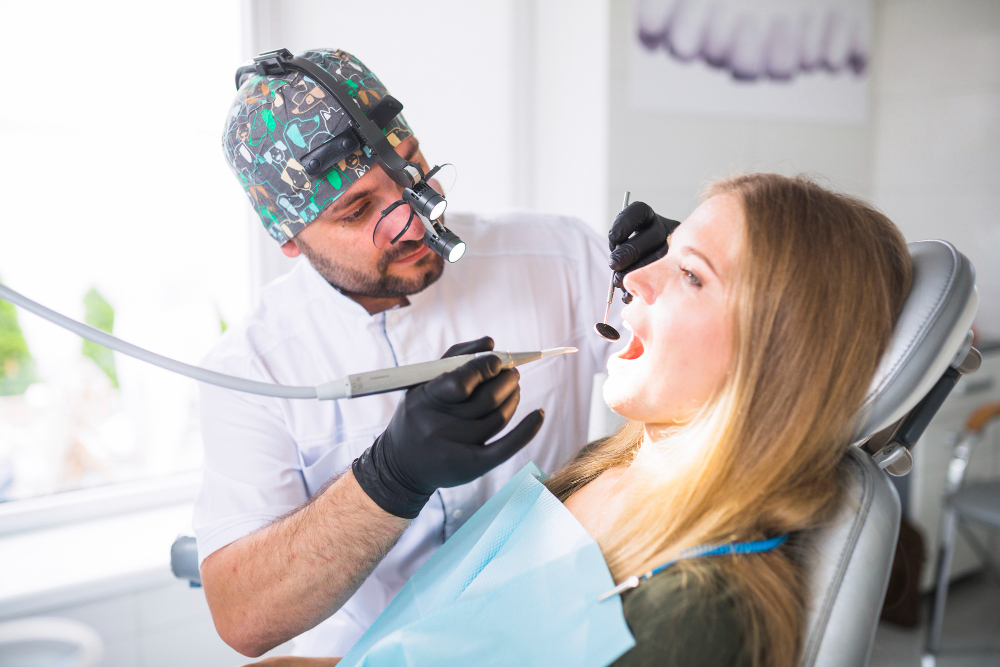
Look for a dental clinic that understands patient anxiety and offers a calm, welcoming environment.
Communicate Openly
Sharing your concerns with the dentist allows them to adjust their approach and explain procedures step by step.
Schedule Morning Appointments
Early appointments can prevent anxiety from building throughout the day.
Practice Relaxation Techniques
Deep breathing, meditation, or listening to calming music can reduce stress before and during treatment.
Consider Sedation Dentistry
For patients with severe anxiety, sedation options may be available to make procedures more comfortable and stress-free.
Modern Dentistry Is More Comfortable Than Ever
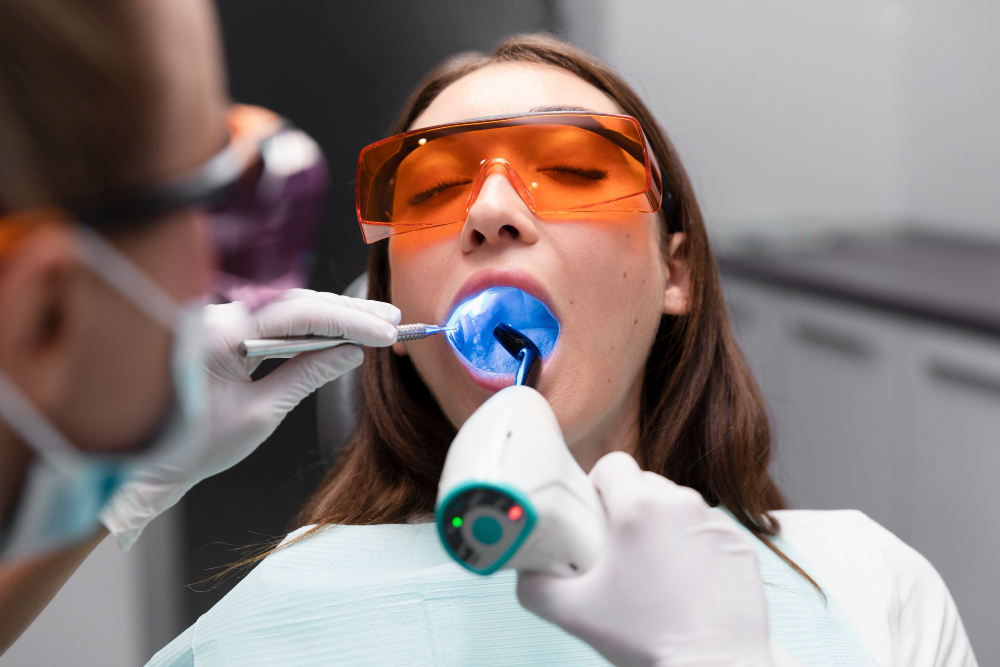
Today’s dental technology focuses on patient comfort. Advanced tools, gentle techniques, and pain management options significantly reduce discomfort during procedures. Many patients who once feared dental visits are surprised by how easy and comfortable modern treatments can be.
Helping Children with Dental Anxiety
Children in Shelbyville may also experience fear about visiting the dentist. Parents can help by:
- Speaking positively about dental visits
- Avoiding words that may create fear
- Choosing a dentist experienced in treating children
- Scheduling regular visits from an early age
Early positive experiences help build lifelong confidence in dental care.
Take the First Step Toward Stress-Free Dental Care
Dental anxiety is common, but it should not prevent you from maintaining a healthy smile. With supportive dental professionals, open communication, and modern comfort-focused techniques, patients in Shelbyville can overcome fear and receive the care they need. Prioritizing oral health today can prevent complications in the future and help you enjoy a confident, healthy smile for years to come.